Hair Color Ideas: Stunning Shades That Instantly Transform Your Look
Hair color has shifted decisively away from the dramatic and toward something far more considered. The current conversation is about softness, wearability, and shades that work with your features rather than competing against them. Natural blends, subtle dimension, and tones that grow out gracefully are defining the moment. The most compelling hair color right now is the kind that looks like it was always yours. Here is every shade and technique worth knowing.
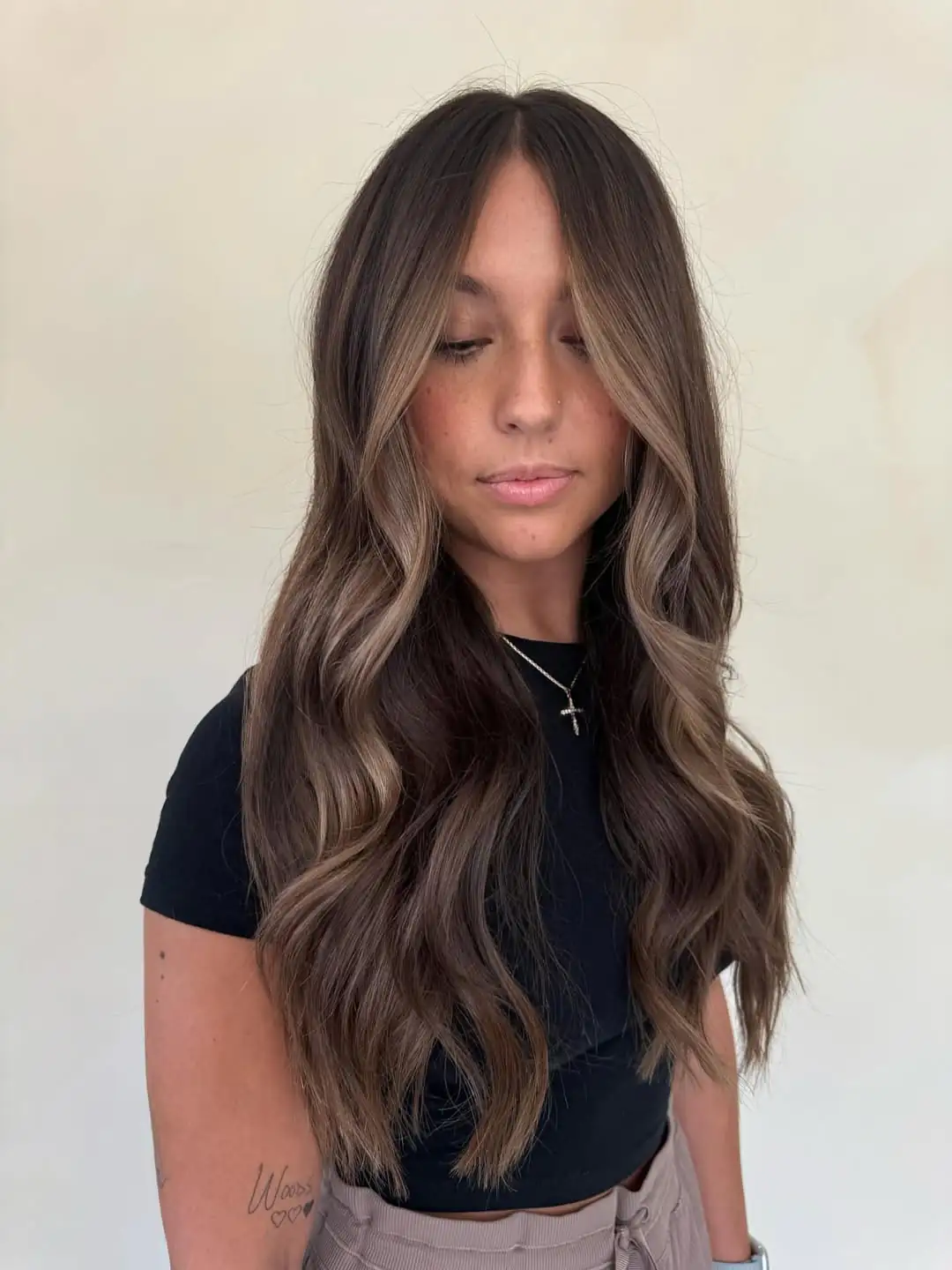
1. Soft Brunette Hair Color
A multi-tonal brunette with a mix of warm and neutral undertones reads rich without feeling heavy. It catches light in a way that flat, single-process color simply cannot replicate. The depth moves and shifts, making the hair look genuinely alive. Ask your colorist for subtle highlights woven through the base rather than a uniform shade. The goal is variation, not contrast. Finish with a shine-enhancing treatment to keep the depth looking glossy. Soft brunette grows out gracefully and consistently looks like a deliberate, flattering choice.
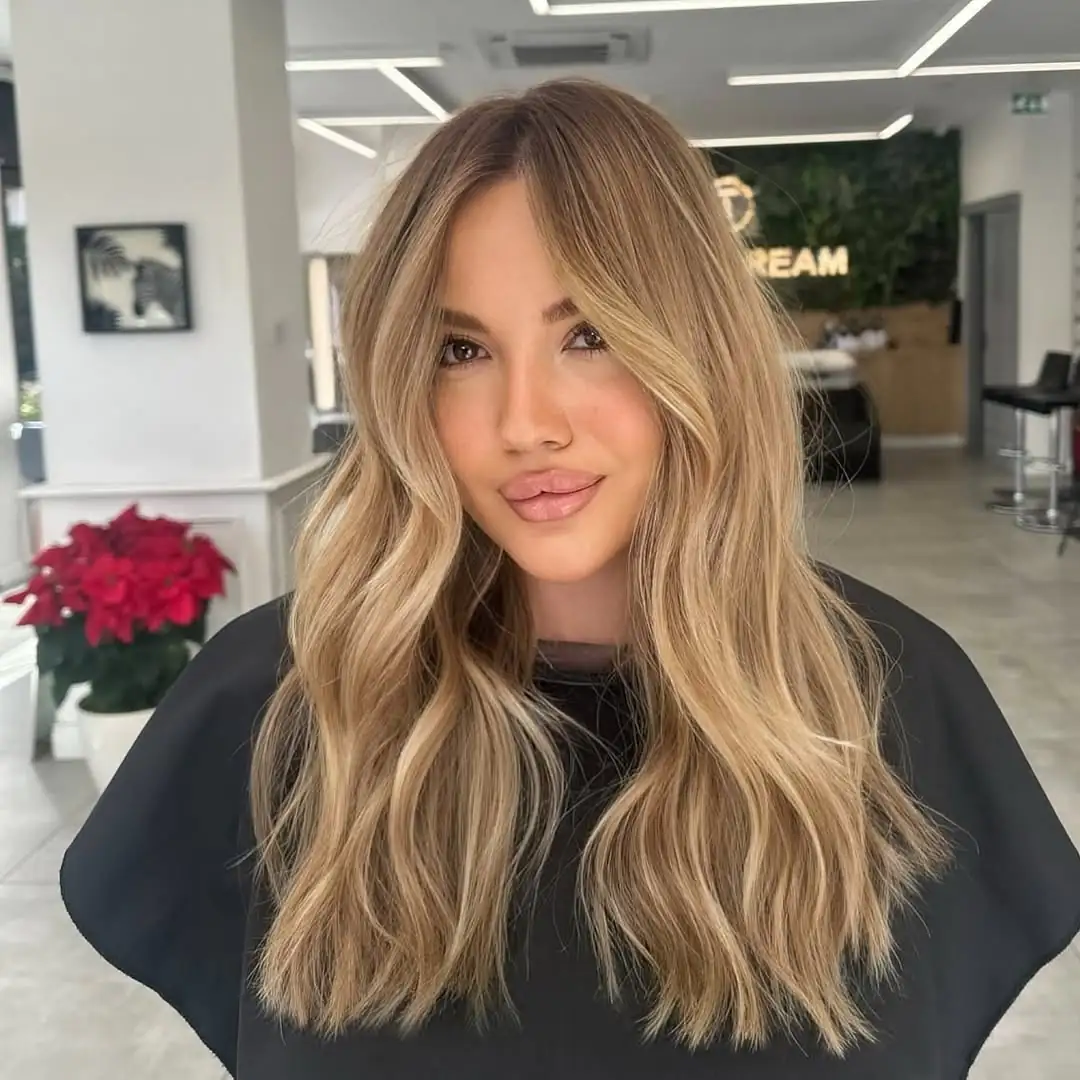
2. Honey Blonde Balayage Hair Color
Honey blonde occupies the perfect space between warm and bright without tipping into anything too light or too obvious. It gives hair a natural, sunlit quality that reads effortless in every setting. Blend honey tones directly into the natural base and concentrate the brightest pieces around the face. The transition should feel gradual rather than placed. A color-safe shampoo used consistently is what keeps that warm tone intact between appointments. Without it, honey blonde fades toward an in-between shade that reads as neither warm nor cool.
3. Chocolate Brown Hair Color
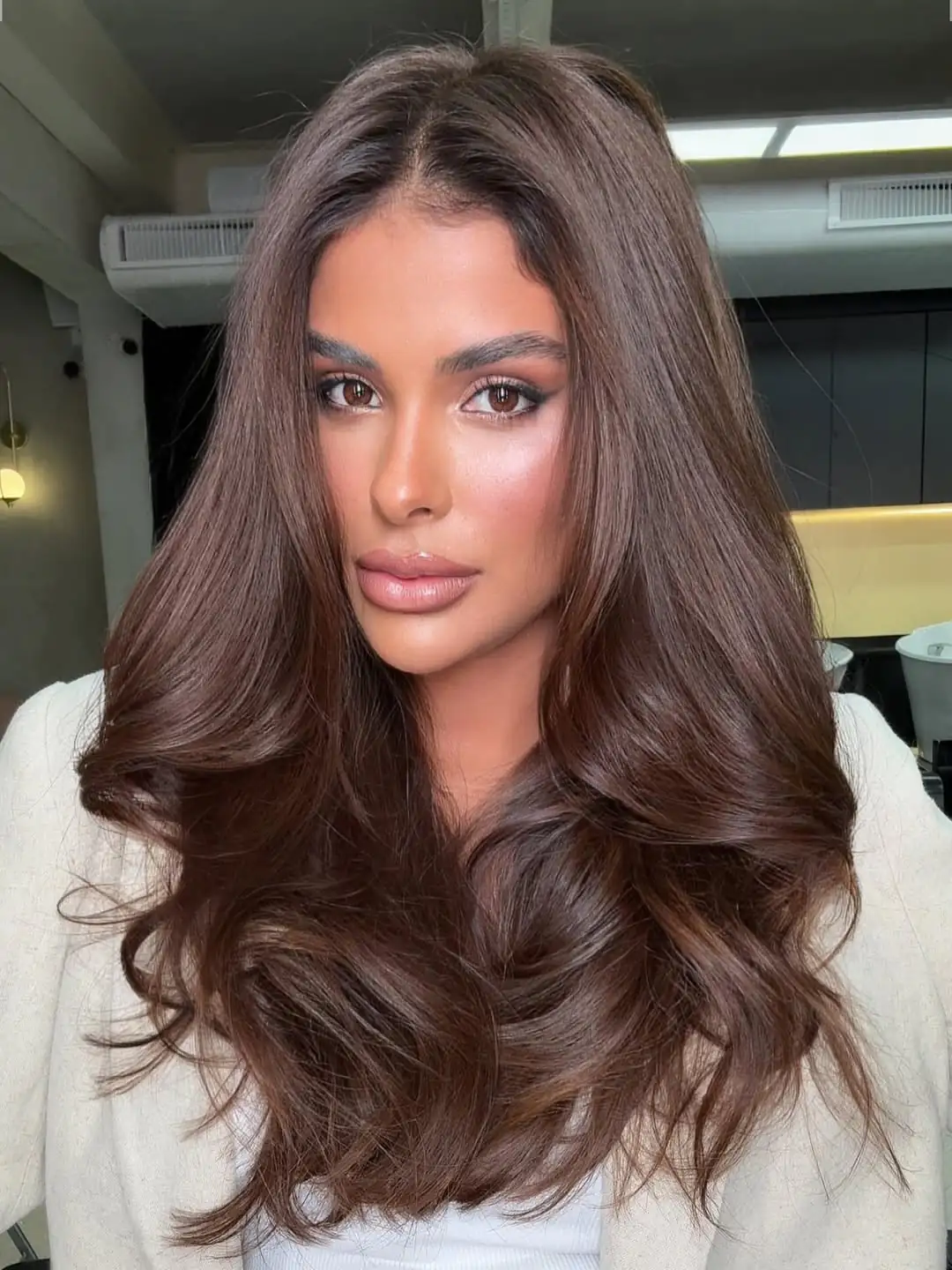
Chocolate brown earns its reputation season after season because it makes hair look genuinely healthy. The depth reads as polished, and the finish, when maintained properly, has an almost mirror-like quality. Warm skin benefits from a brown with amber or red undertones. Cooler complexions tend to look better with a slightly ashier chocolate. A gloss treatment at the salon, or a toning gloss used at home between visits, keeps the color looking saturated and intentional. Pair consistently with hydrating products to maintain that glossy depth.
4. Ash Blonde Hair Color
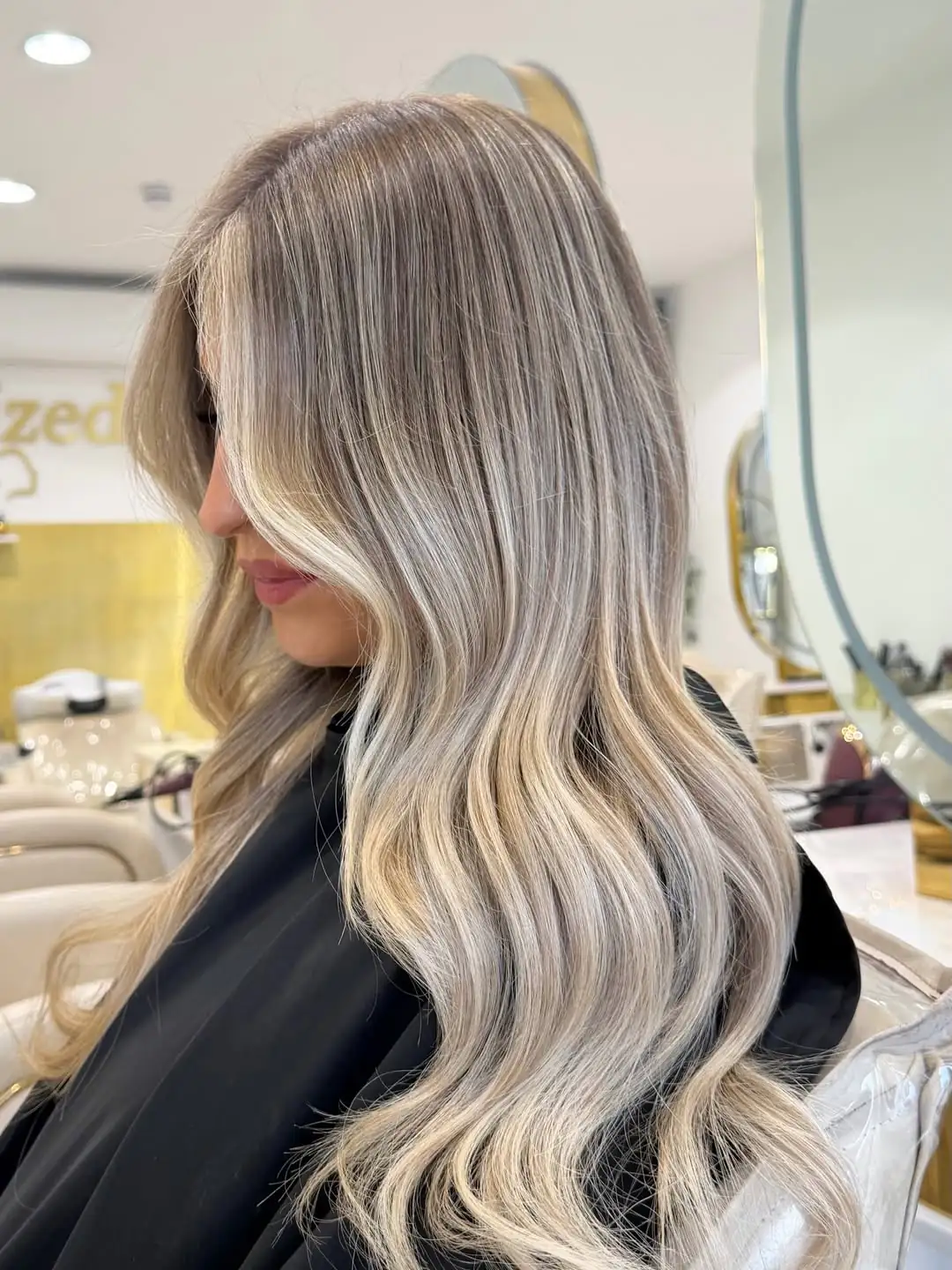
Ash blonde is the cooler, quieter alternative to traditional blonde, and it reads with a sophistication that warmer shades don’t replicate. The muted, silvery quality feels clean and current. Getting the tone right requires a colorist comfortable working with cool pigments. Purple shampoo used two to three times a week neutralizes any warmth that tries to creep back in. Hydration is equally important here. Lightened, cool-toned hair trends toward dryness quickly, and dry hair loses tone faster than moisturized hair.
5. Caramel Highlights Hair Color
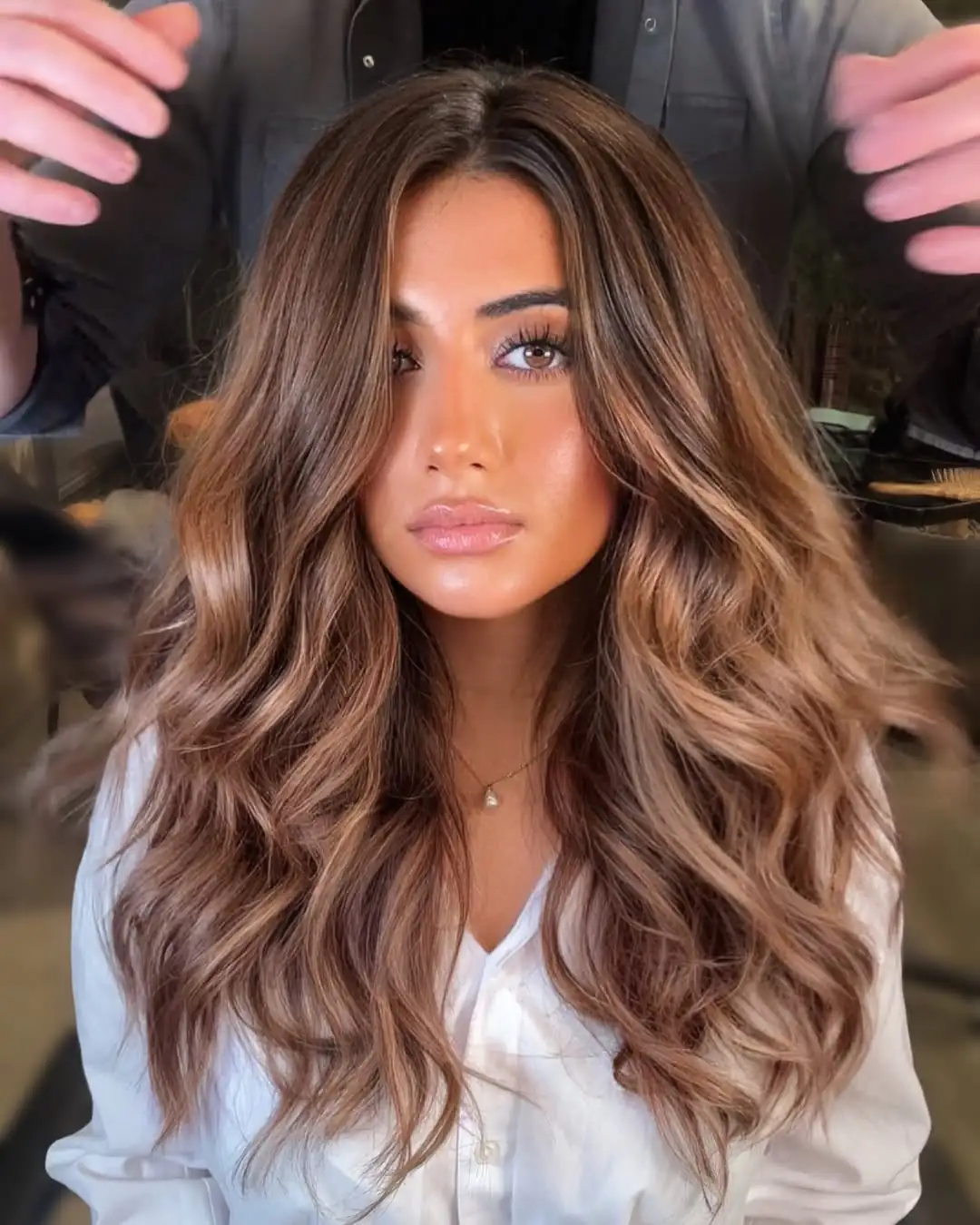
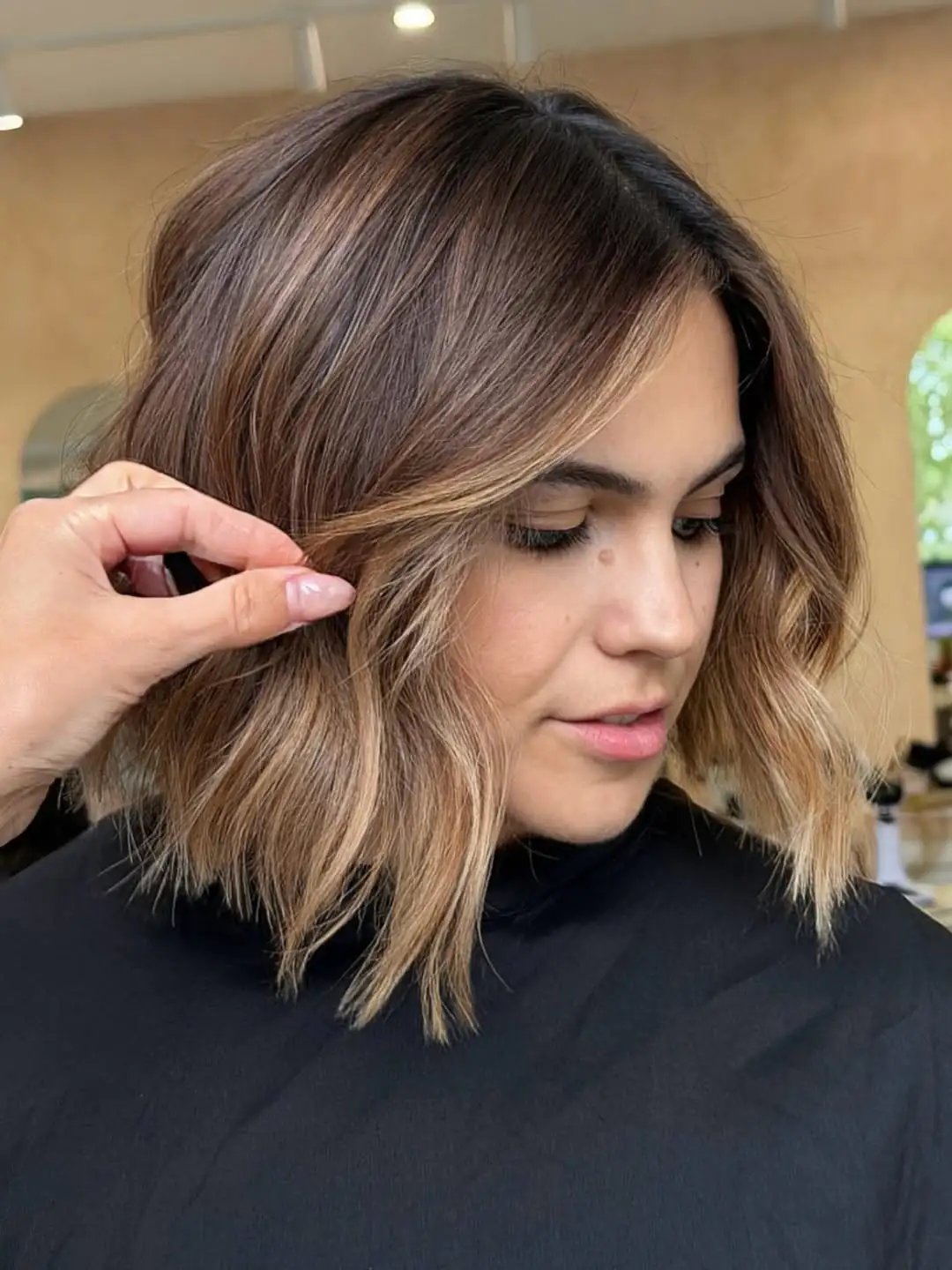
Caramel highlights are the most low-commitment entry point into color dimension and one of the most universally flattering techniques available. They add warmth and movement to darker hair without a full color overhaul. Placement matters more than intensity. Focus the highlights on the face and mid-lengths for the most visual impact. Keep the contrast gentle rather than high. Style with loose waves to let the dimension move through the hair. Texture activates the color in a way that straight, flat-styled hair doesn’t allow.
6. Jet Black Hair Color
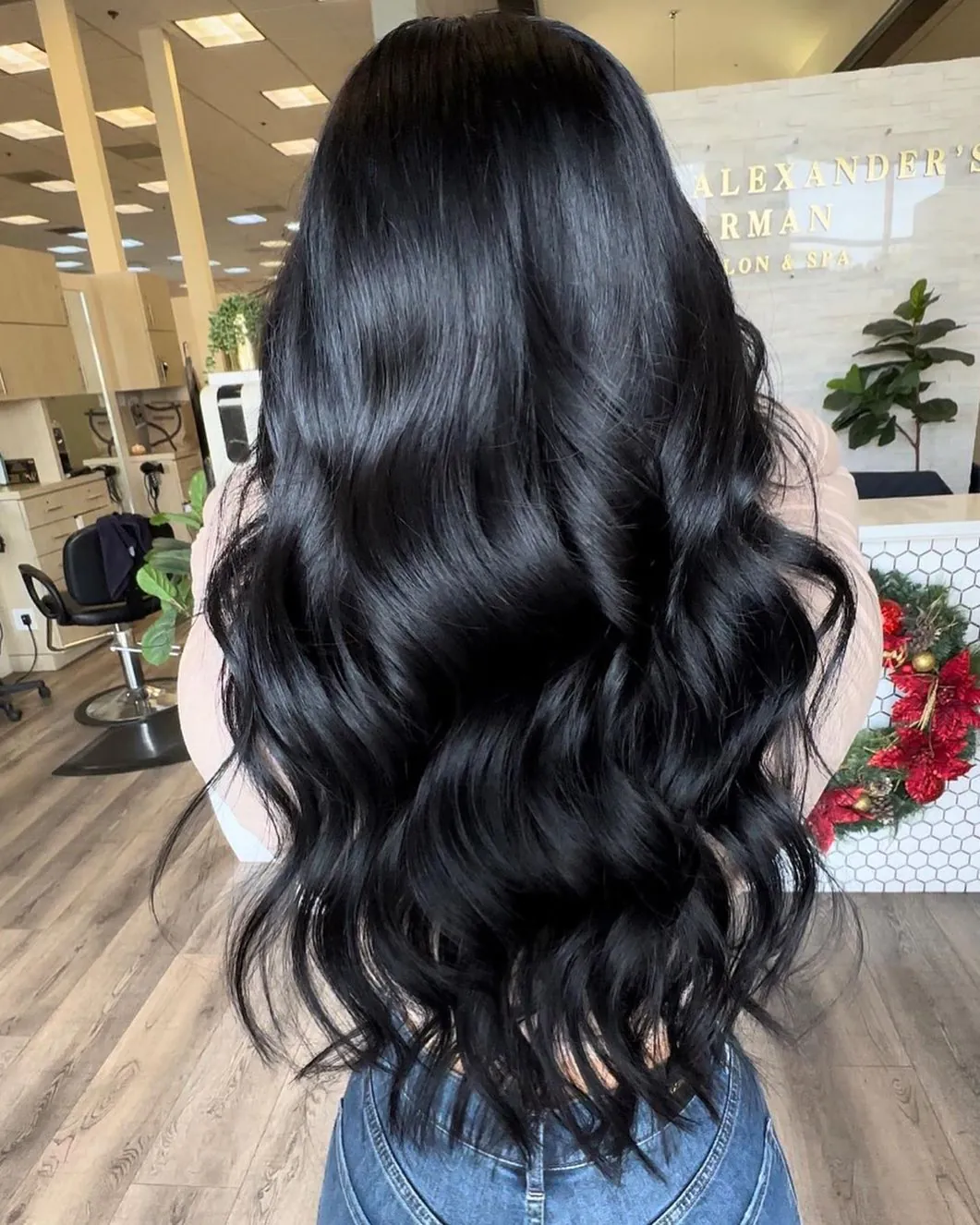
Jet black is a bold commitment, and it works precisely because of that. The color is strong, graphic, and high-contrast in a way that few other shades can claim. Even coverage across the entire length is what separates a sharp jet black from one that appears patchy or faded. A shine serum or a few drops of glossing oil applied to dry hair elevates the color from deep to luminous. Color-safe products used consistently slow the fading process and keep the richness intact between touch-up appointments.
7. Balayage Hair Color
Balayage remains one of the most technically sophisticated and practically rewarding color techniques because it’s designed from the start to grow out gracefully. The hand-painted application creates a gradient that softens naturally at the root. The gap between appointments is far more forgiving than traditional foil highlighting. The technique works best when the tones chosen for the painted sections genuinely complement the natural base rather than contrast sharply against it. Ask your colorist to keep the gradient gradual and to work within the same tonal family as your natural color.
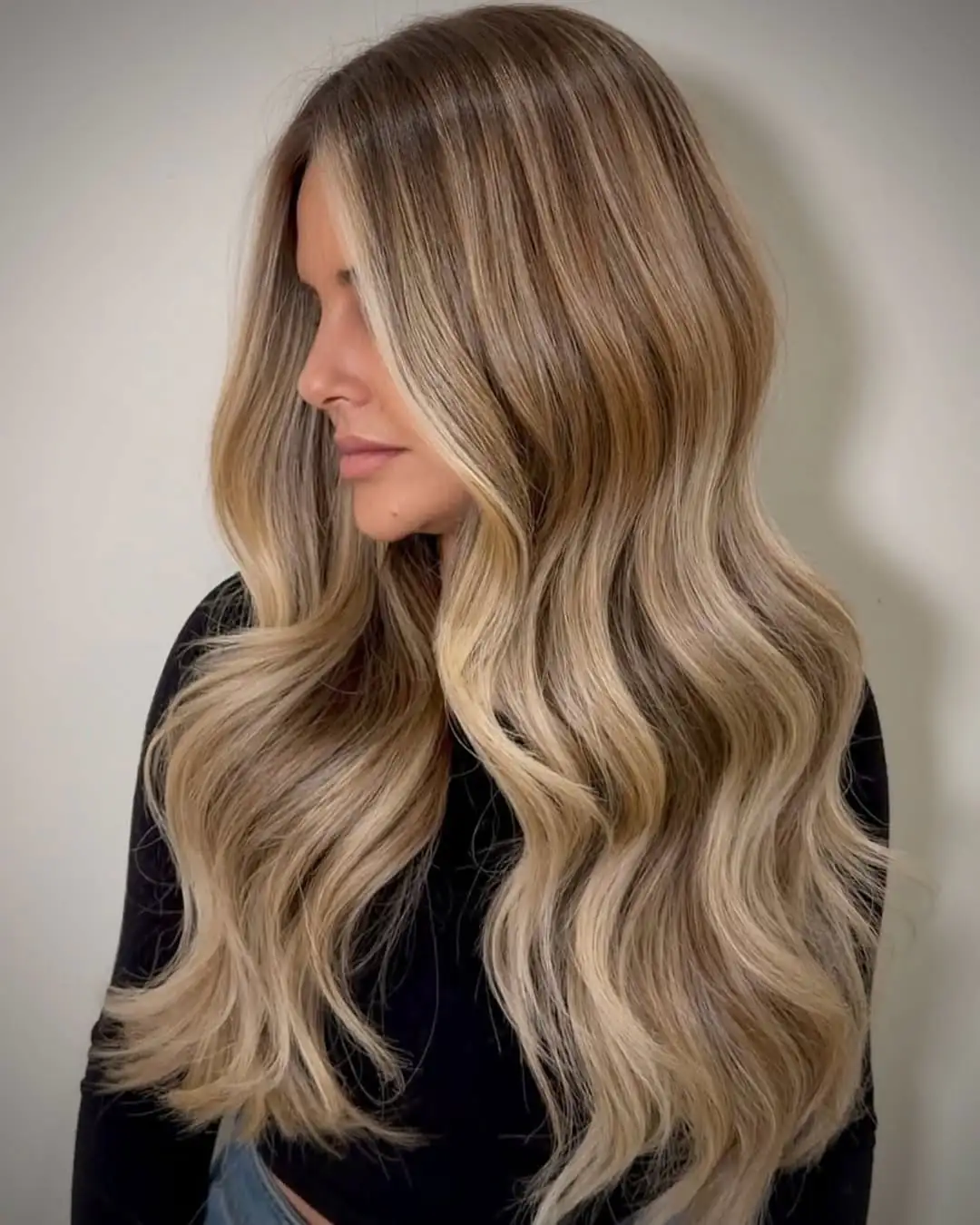
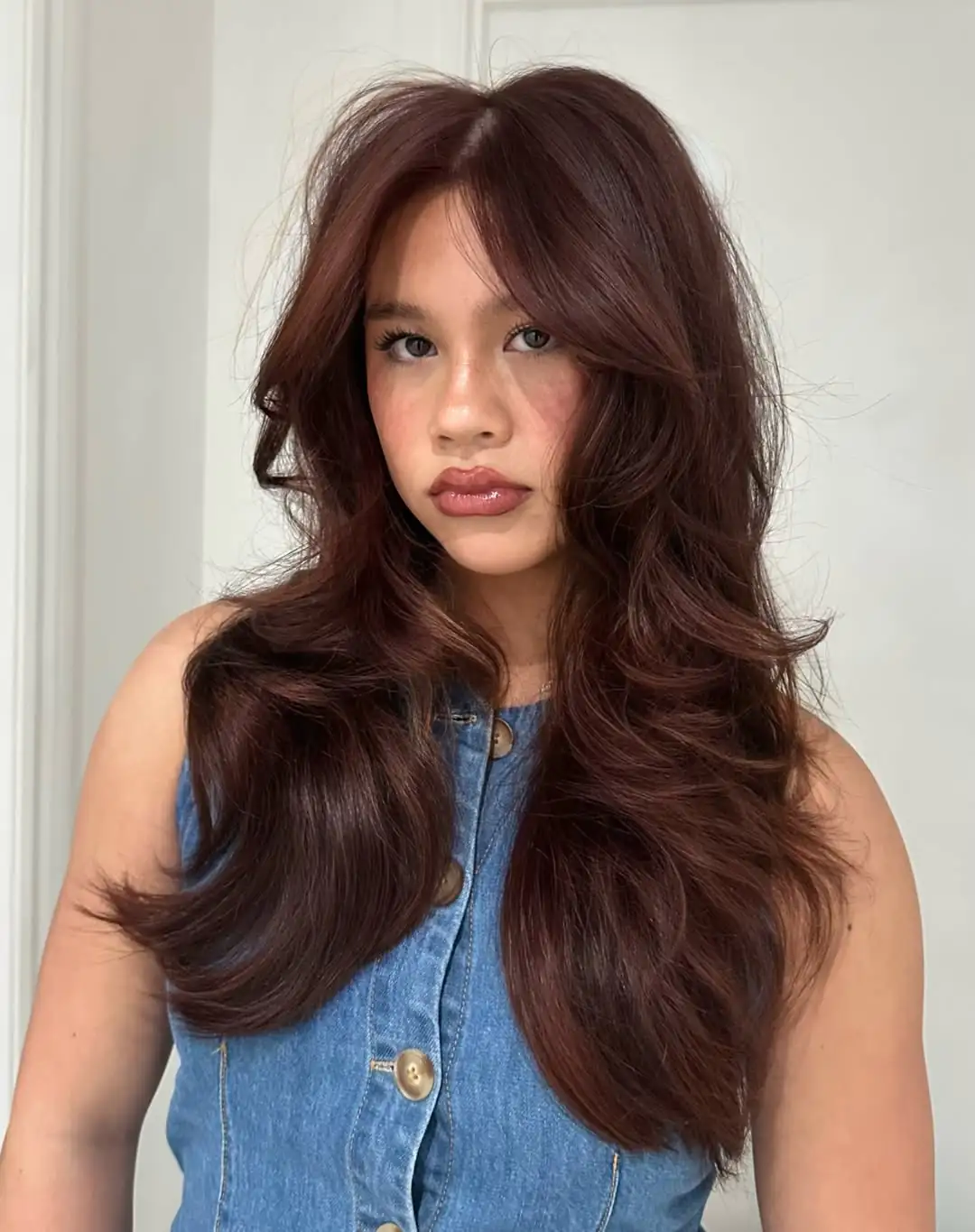
8. Soft Copper Hair Color
Copper has moved away from its more saturated, orange-leaning incarnation into something considerably more nuanced. The current version is softer, more muted, and sits closer to a warm auburn than a vivid statement shade. It adds a glow to the complexion that few other colors replicate. The key distinction is saturation level. Soft copper reads as modern. A bright, uniform orange reads as dated. Ask for a muted, dimensional version. A weekly color-depositing conditioner refreshes the tone between visits and prevents fading that tends to expose brassier undertones.
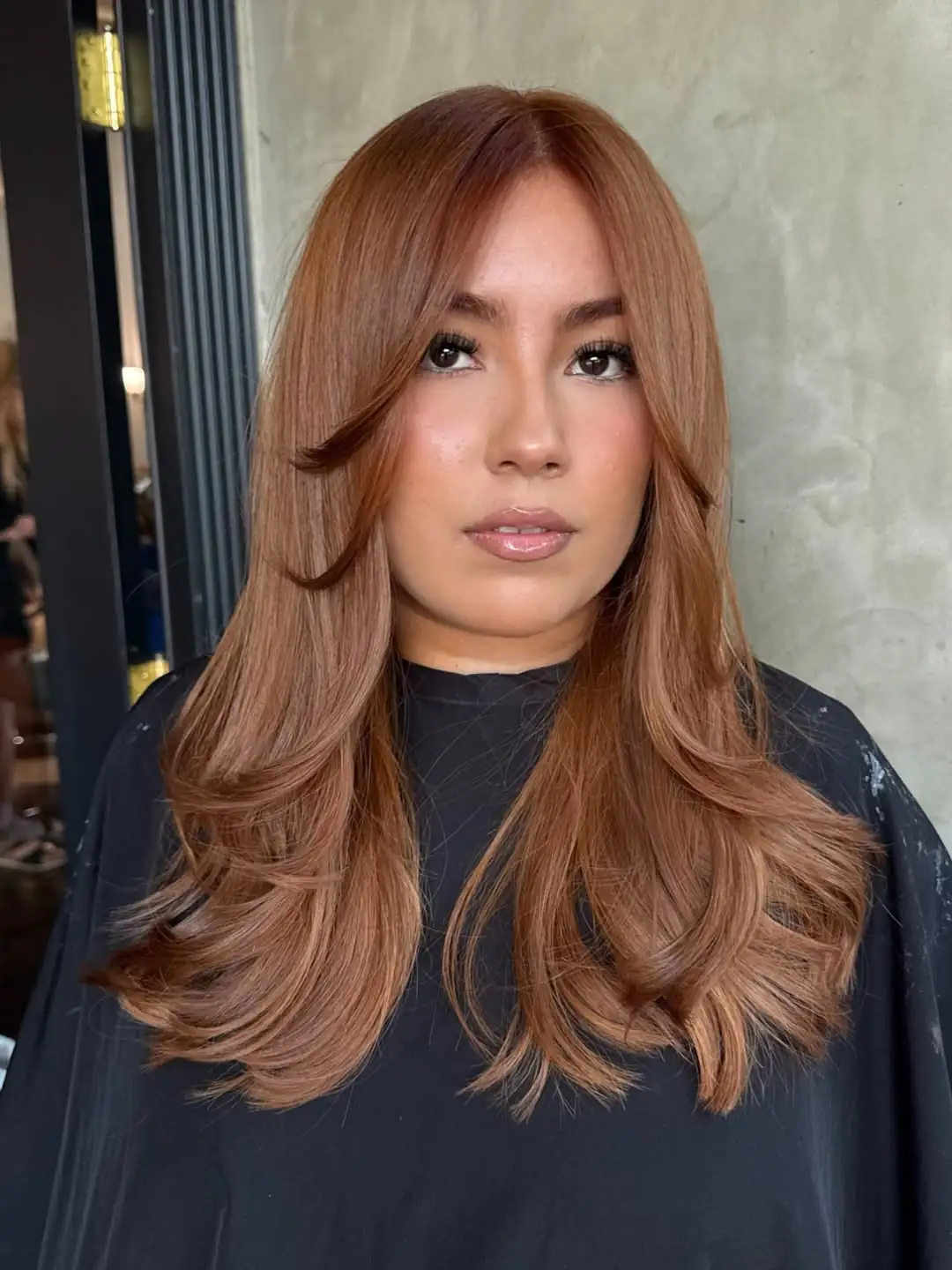
9. Face-Framing Highlights Hair Color
Face-framing highlights are one of the most efficient techniques in the color toolkit because the placement directly influences how the face reads. Lightening just the front sections creates an immediate brightening effect without requiring any change to the rest of the color. The impact is disproportionate to the work involved. Keep the contrast between the highlights and the natural base relatively subtle. The rest of the hair stays closer to its natural tone, creating depth at the back while the face-framing pieces draw light forward.
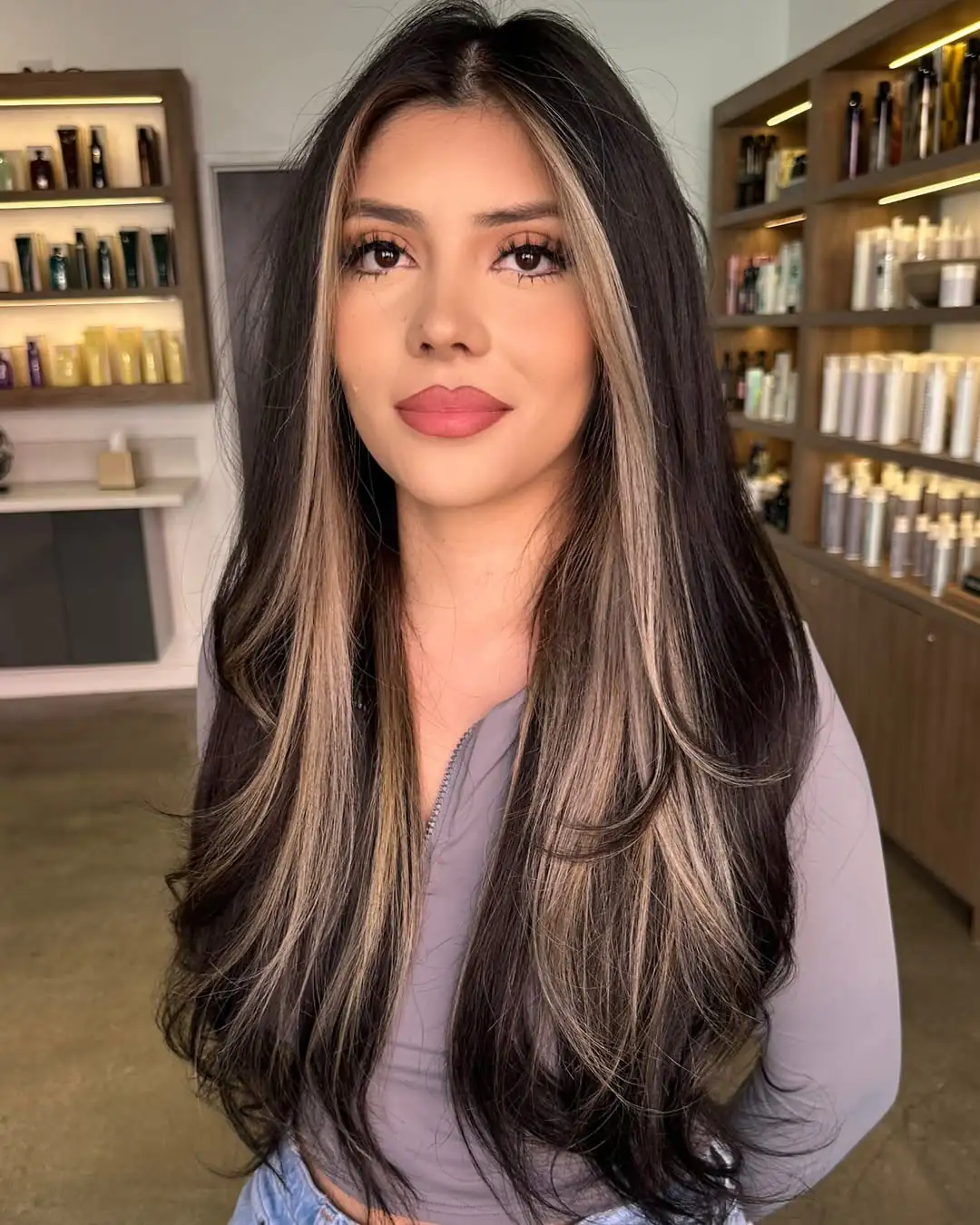
10. Beige Blonde Hair Color
Beige blonde is a neutral color that sits between honey and ash. It pulls a little from both colors, but it doesn’t lean too far in either direction. The result is a balanced, sophisticated tone that photographs cleanly and works across a wide range of skin tones. It’s the most versatile blonde currently in the conversation. Achieving and maintaining it requires a mix of warm and cool toning products to keep the balance intact. A toning shampoo or conditioner used regularly holds the shade in its intended middle ground.
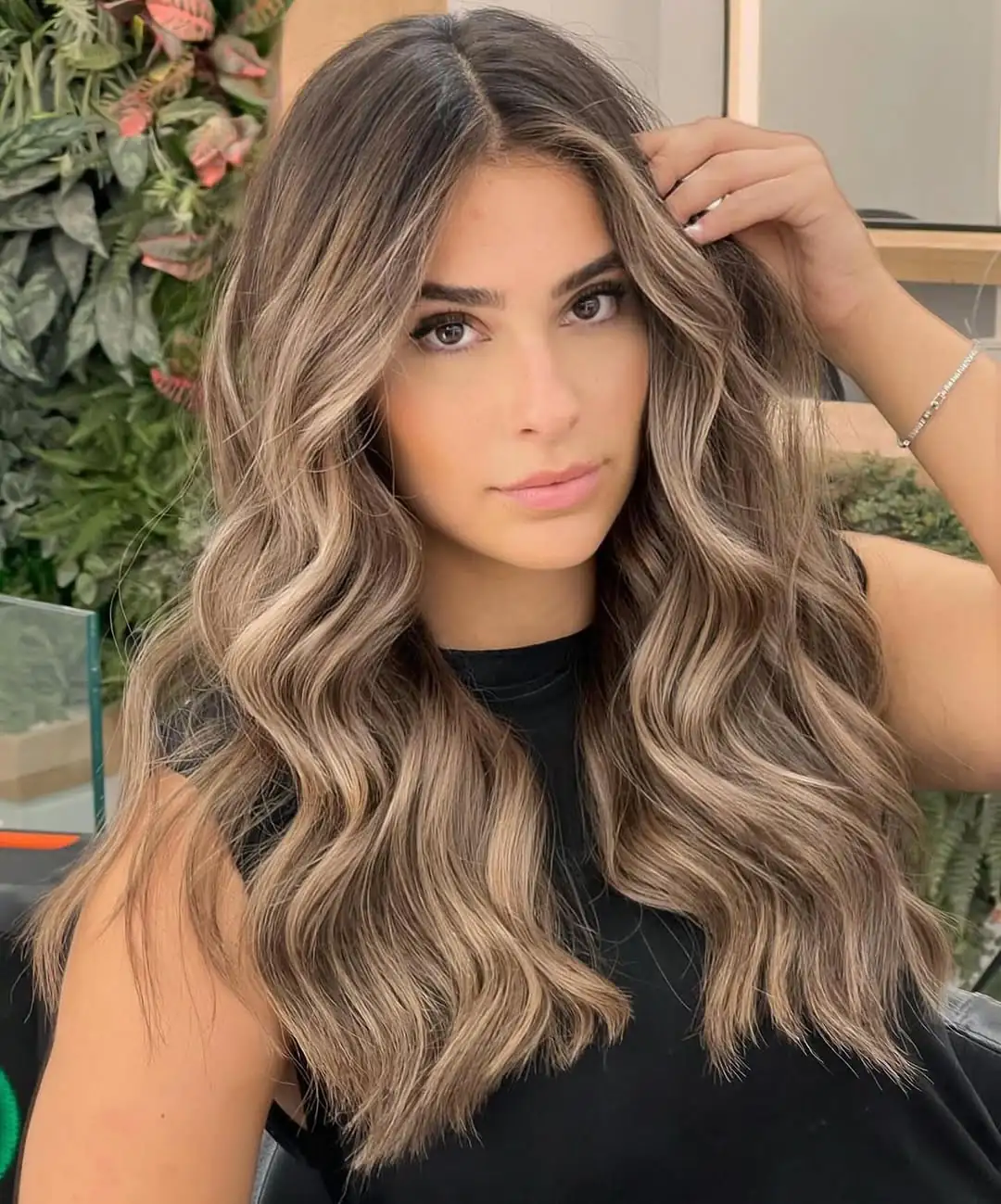
11. Rooted Hair Color
Rooted color made intentional regrowth a style choice rather than a scheduling problem. Keeping the natural root slightly deeper than the mid-length and ends means the color grows out in a way that always looks deliberate. There is no harsh line to manage and no urgent appointment to book. The blend between the root and the lighter sections is everything. A strict line reads as unfinished. A soft, gradual melt reads like the color was designed that way from the start. Rooted color pairs particularly well with balayage and soft highlights through the lengths.
12. The Bottom Line
The best hair color right now enhances rather than overwhelms. Soft transitions, considered tones, and techniques that work with the natural base rather than against it define the current moment. Whether the choice is a rich chocolate brown, a sun-kissed balayage, or a structured jet black, the principle remains the same. The color should feel like it belongs. The right products, consistent hydration, and a colorist who understands the tonal direction you’re working toward are what keep any shade looking intentional between appointments.