
Hair Care Tips for Healthy, Strong, and Shiny Hair

Hair care is shifting in one clear direction: away from overwhelming routines and toward something more considered, more intentional, and more personal. Building a hair care routine was never about following every trend or buying every product on your feed. It has always been about understanding what your hair actually needs so that caring for it feels instinctive rather than exhausting. These are the ideas worth knowing.
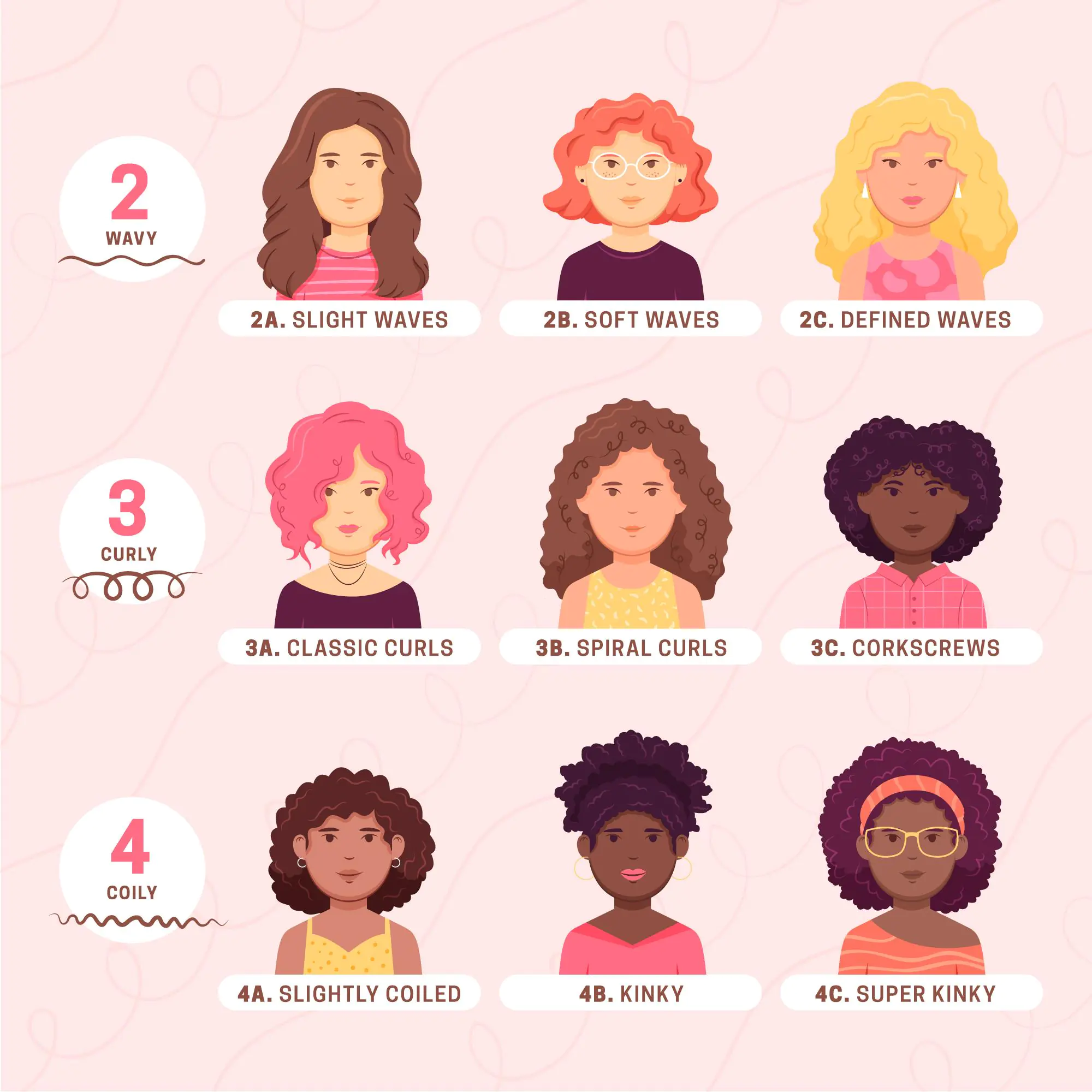
1. Know Your Hair Type: Texture, Porosity, and Density
Every hair type, whether straight, wavy, curly, or coily, benefits from the same starting principle: understanding. When you treat your hair without knowing its needs, your routine works against you. When you understand your hair’s needs, everything else aligns perfectly. Currently, intentional, stripped-back routines are doing most of the work, and that approach begins with self-knowledge.
The practical foundation is simpler than most people expect. Pay attention to how your hair behaves when it dries naturally. Fine hair tends to weigh down quickly and reach for oil faster. Thicker textures drink up moisture and need richer formulas to stay balanced. High-porosity hair, the kind that absorbs water almost instantly, benefits from heavier creams and sealing oils. Build from what your hair is, not from what a trend tells you it should be.
2. Gentle Cleansing in Sulfate-Free, Scalp-First Formulas: The Foundation of Healthy Hair
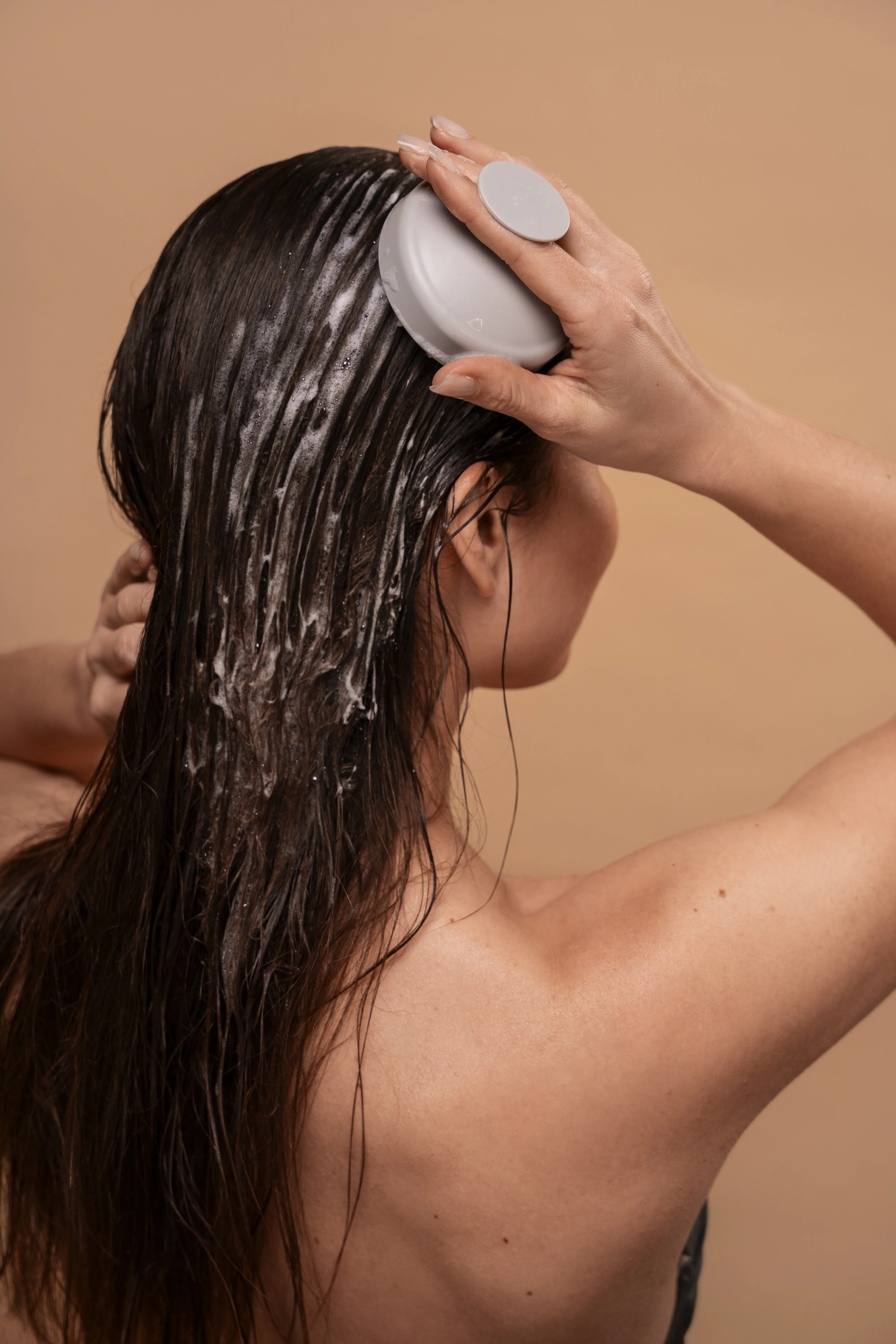
Overwashing has quietly fallen out of favor, and gentle, purposeful cleansing has taken its place. The goal is a clean, balanced scalp without stripping the natural oils that keep strands soft, manageable, and protected from damage. This shift in thinking has made sulfate-free shampoos the new standard for anyone serious about long-term hair health.
The method matters as much as the product. Apply shampoo directly to the scalp and work it through the roots rather than piling the lengths on top of your head. Let it rinse clean through the ends of your hair. Washing two to three times a week is a reliable rhythm for most hair types, though coarser or drier textures can stretch further. An occasional clarifying wash removes product buildup without disrupting the routine entirely.
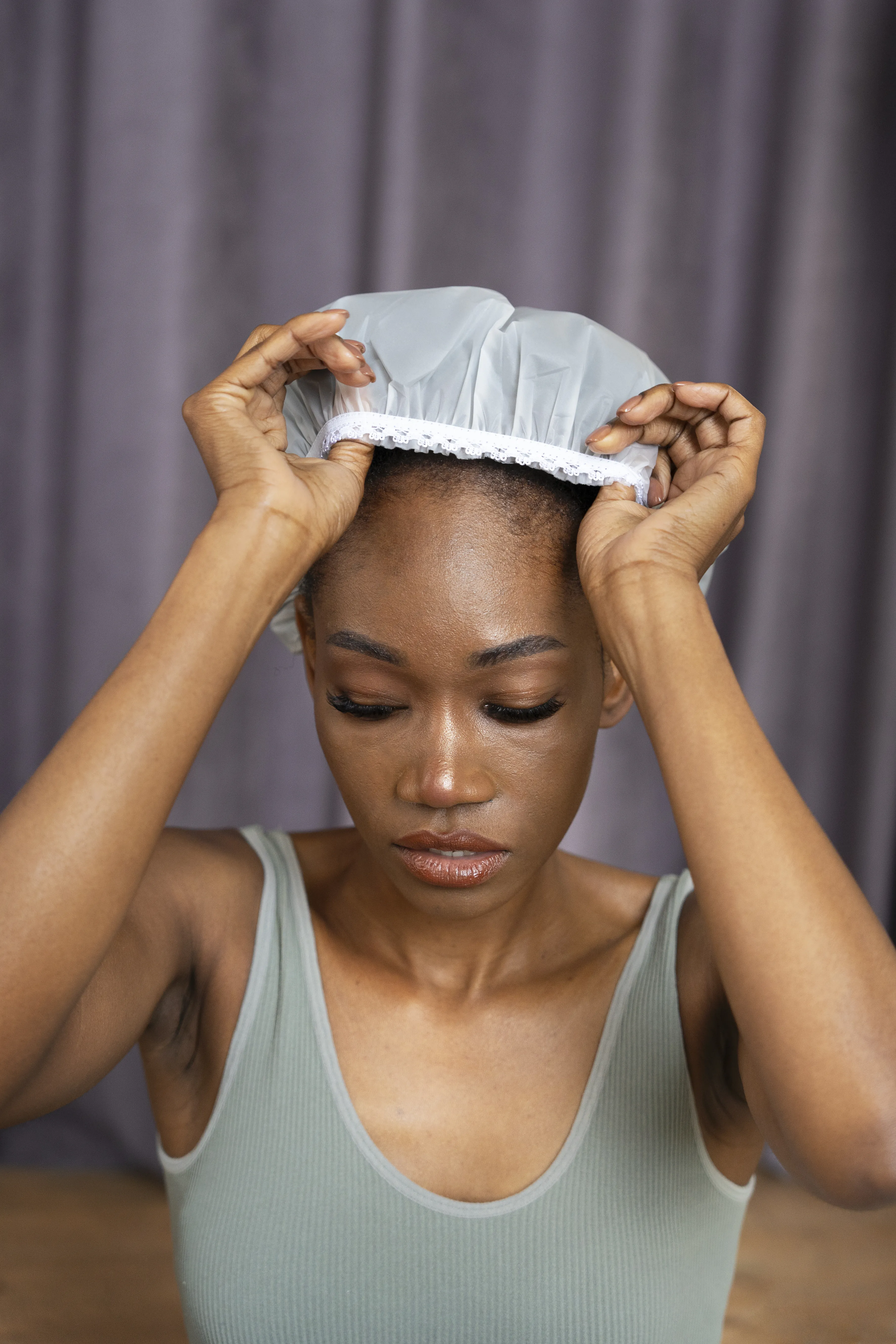
3. Deep Conditioning with Shea Butter, Argan Oil, and Keratin: The Repair and Hydration Formula
Conditioning is where the real transformation happens. It smooths the cuticle, restores moisture, and significantly reduces breakage over time, making it one of the most non-negotiable steps in any effective hair care routine. Deep conditioning treatments carry even more weight when hair is dry, heat-damaged, or chemically processed.
The practical approach is consistent and uncomplicated. Use a regular conditioner on every wash day and a deep treatment mask once a week. Seek formulas that incorporate shea butter, argan oil, and keratin, as these ingredients nourish and strengthen from within. Leave the treatment on for at least ten to fifteen minutes so the ingredients can fully absorb rather than simply coating the surface.
4. Leave-In Products for Softness, Frizz Control, and Effortless Finish
Leave-in conditioners and creams serve as a bridge between wash days, ensuring that strands remain hydrated, manageable, and ready for styling with minimal effort. They also reduce frizz and make detangling considerably easier, which means less breakage during styling. This step is what separates hair that looks naturally polished from hair that simply looks unstyled.
Application is everything here. Work the product through damp hair, concentrating on the mid-lengths and ends where moisture is needed most. Fine hair responds better to lightweight, water-based formulas that hydrate without weighing down. Thicker and curly textures can handle richer creams that lock in moisture and define the pattern. Avoid the roots entirely if you want to maintain volume at the base.
5. Heat Styling with Protection: Targeted Tools and Moderate Temperatures
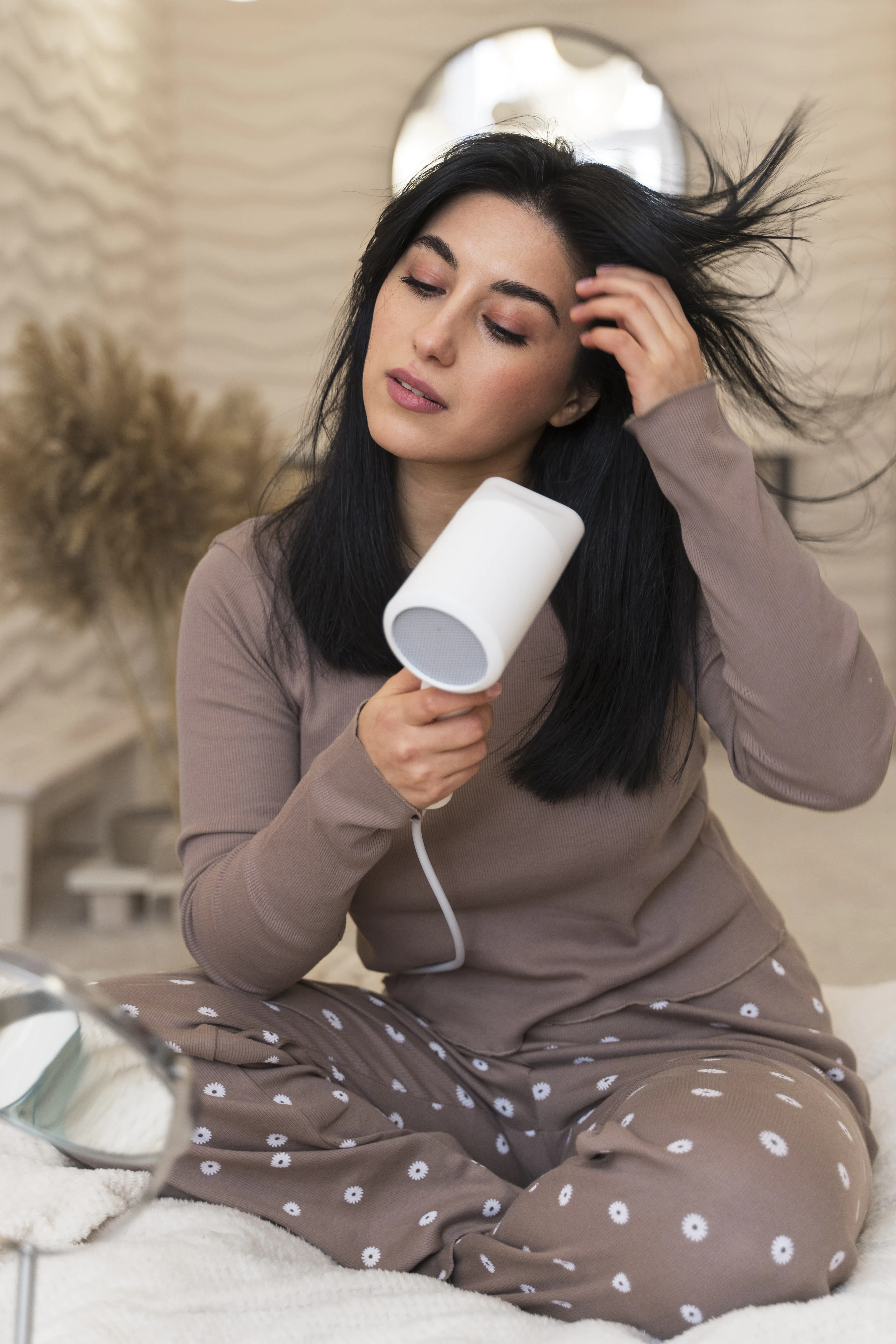
Heat styling remains part of most modern routines, but the approach has changed significantly. Protection is no longer optional. It is the first step, and skipping it creates the kind of cumulative damage, split ends, dryness, and breakage that no conditioning treatment can fully undo. The goal is beautiful results that do not compromise the health of the strand.
A heat protectant applied to damp or dry hair before every tool use is the most straightforward habit to build. Keep temperatures moderate rather than pushing tools to their highest setting, which rarely delivers better results and consistently delivers more damage. Limit heat styling to a few sessions per week and lean into air drying when your schedule allows. Hair that dries naturally and without manipulation tends to retain softness and elasticity far longer.
6. Scalp Care with Oils, Serums, and Regular Massage: The Root of Everything
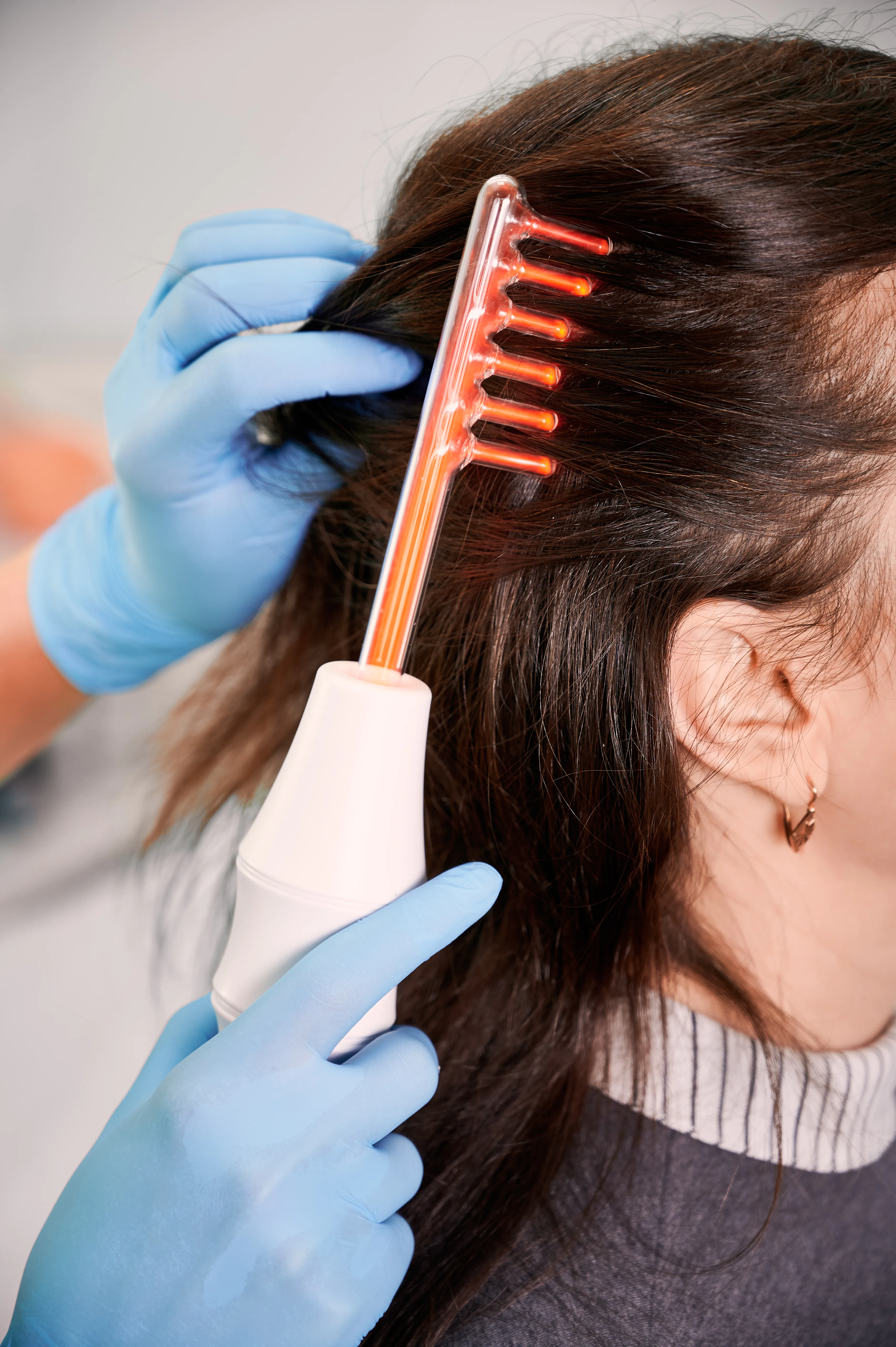
Strong, healthy hair starts long before it is visible. A clean, nourished scalp creates the conditions for better growth, reduced shedding, and improved overall hair quality. This is one of the most significant shifts in modern hair care thinking, moving attention away from the lengths and back toward the foundation.
Lightweight scalp oils and targeted serums applied directly to the scalp soothe, nourish, and support a balanced environment for growth. Regular massage, even a few minutes of gentle circular pressure a few times a week, improves circulation and encourages stronger follicle activity. Occasional exfoliation removes the buildup of product and dead skin that can clog follicles and slow progress over time.
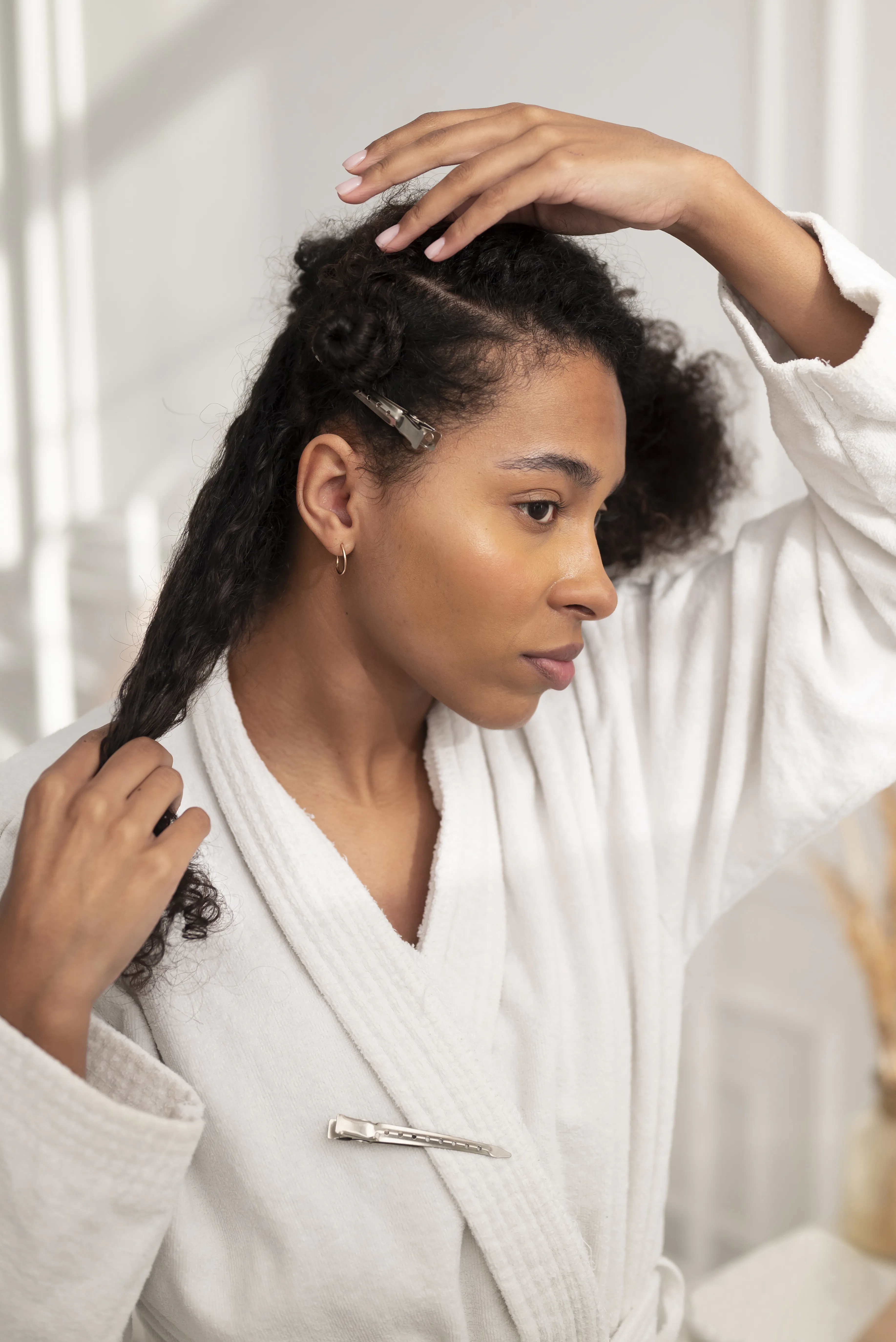
7. Protective Styling with Braids, Buns, and Low-Manipulation Looks for Length Retention
Protective styles serve a precise purpose: they minimize daily manipulation, reduce breakage, and give hair the chance to retain length without constant exposure to friction and environmental stress. For textured, fragile, or chemically treated hair, this approach is especially valuable.
The key is choosing styles that protect without creating tension. Braids, twists, buns, and other low-manipulation options are all strong choices when they are applied with care. Avoid anything that pulls tightly at the hairline or roots, as sustained tension causes a very specific type of damage that is difficult to reverse. Keep hair moisturized even while it is styled, because protection means nothing if the strands underneath are drying out.

8. Regular Trims for Smooth, Even, Healthy Ends
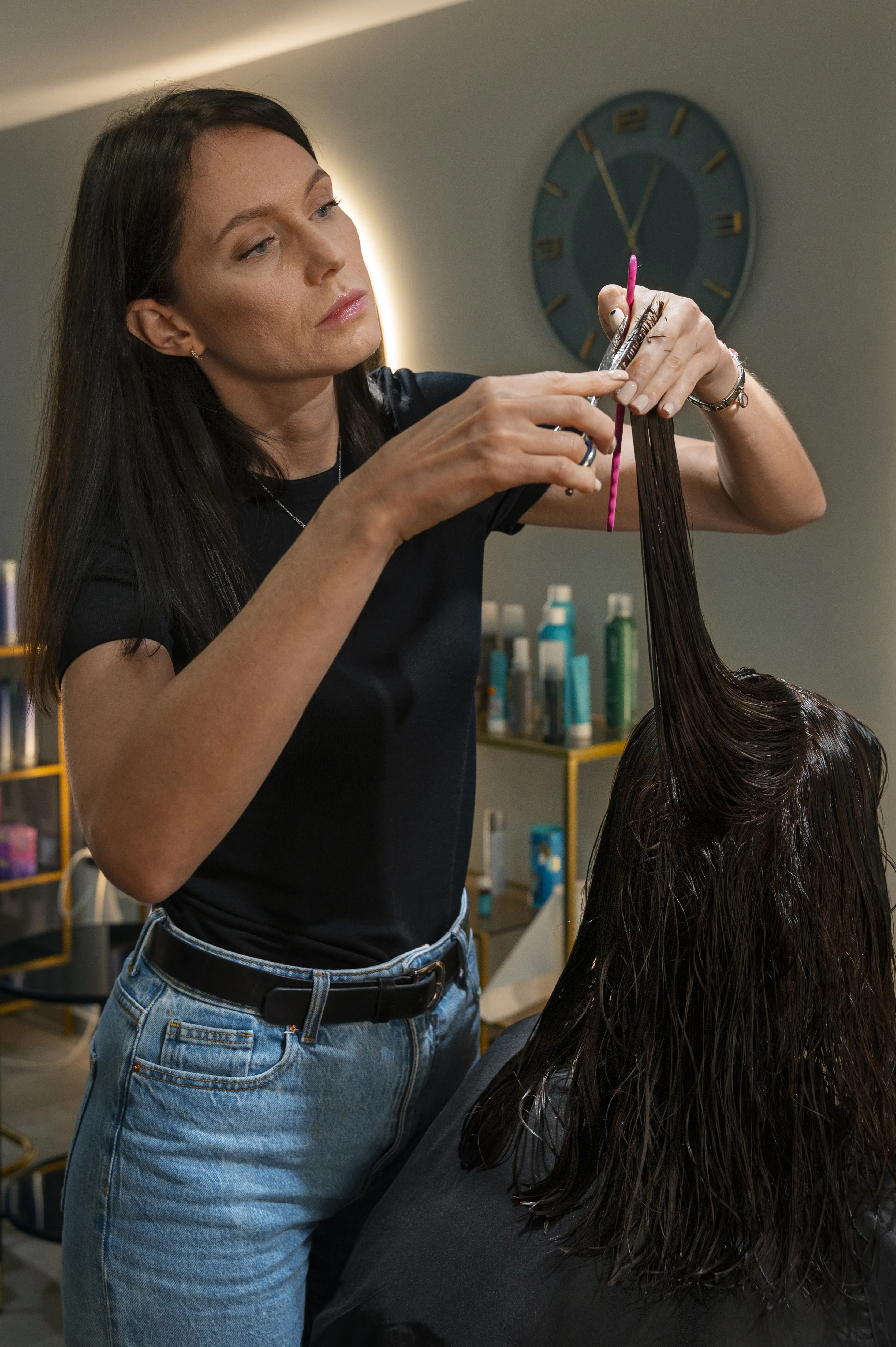
Trims are one of the most overlooked steps in a hair care routine, often skipped in the name of retaining length, which is precisely the wrong logic. When left untreated, split ends travel upward along the hair shaft, causing breakage further up and making your hair look thinner, frayed, and less polished, regardless of how well it is otherwise cared for.
The practical rhythm for most hair types is a trim every eight to twelve weeks. Anyone using heat tools regularly or with chemically treated hair should lean toward the shorter end of that range. The aim is to keep the ends smooth and even so the rest of the routine can work.
9. Tools and Accessories: Wide-Tooth Combs, Silk Pillowcases, and Soft Scrunchies
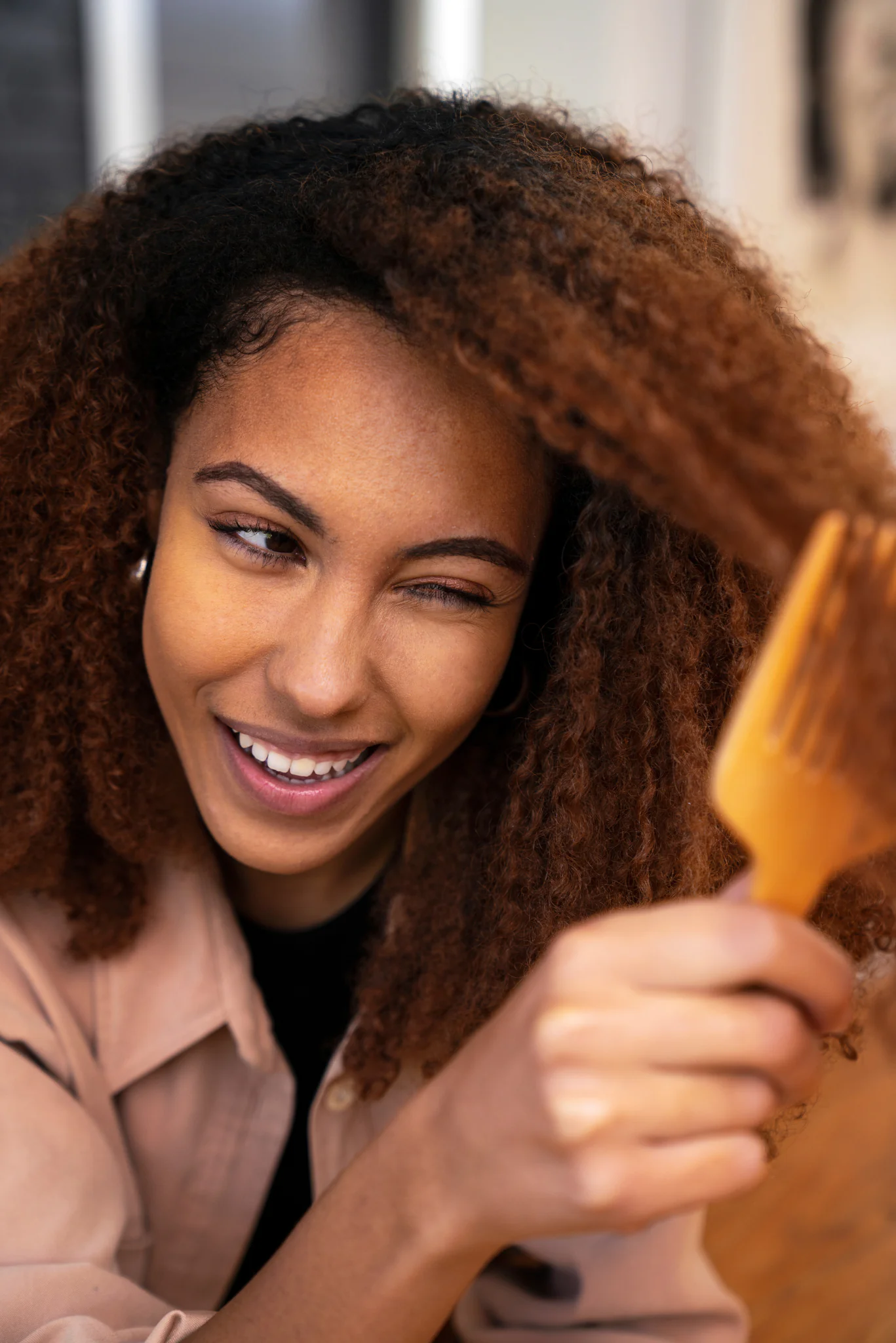
Hair tools either support the health of your strands or quietly undermine it. The right choices in this area protect your hair from the kind of everyday friction and mechanical damage that accumulates invisibly over time. Modern hair care includes this layer of consideration, and it makes a tangible difference.
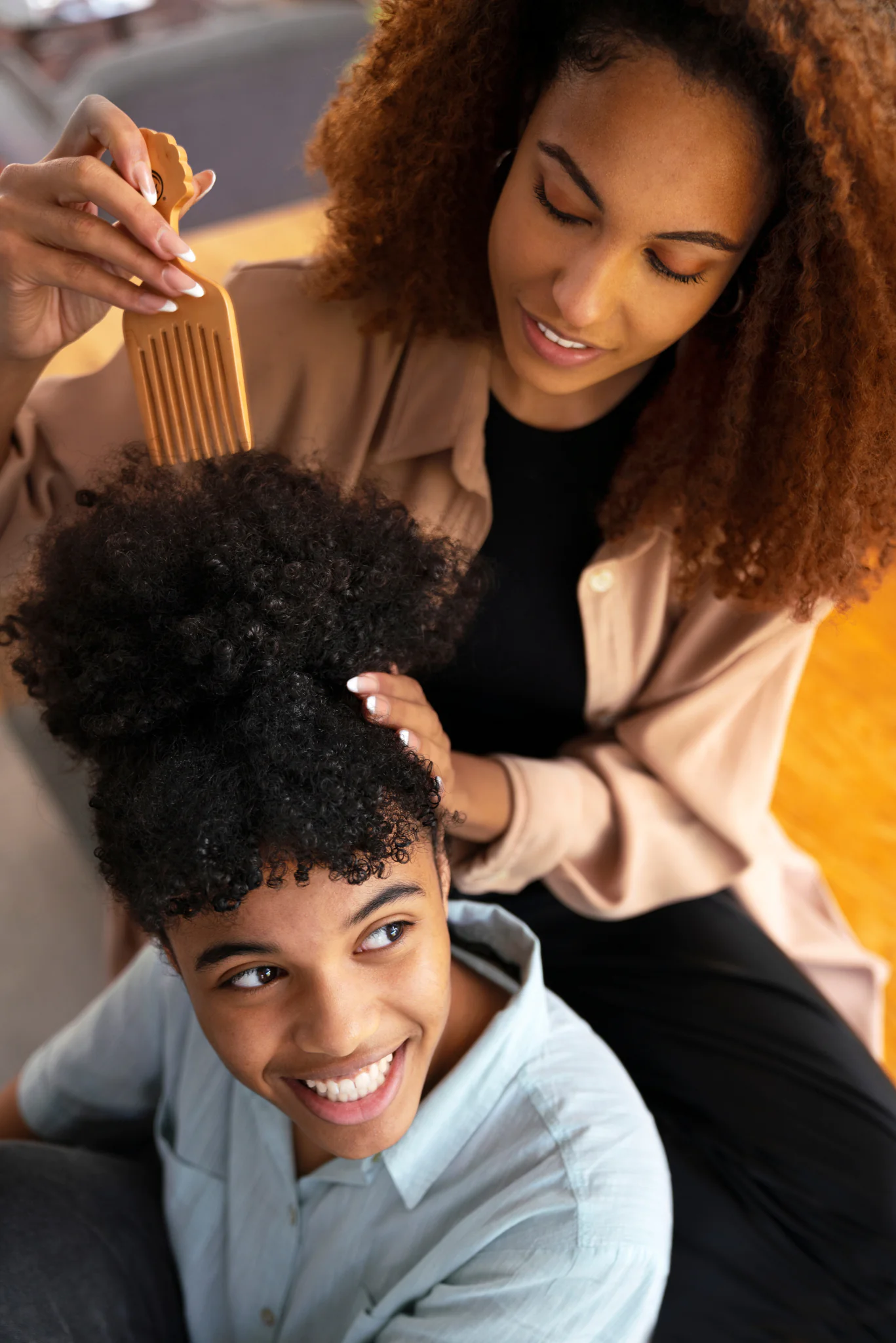
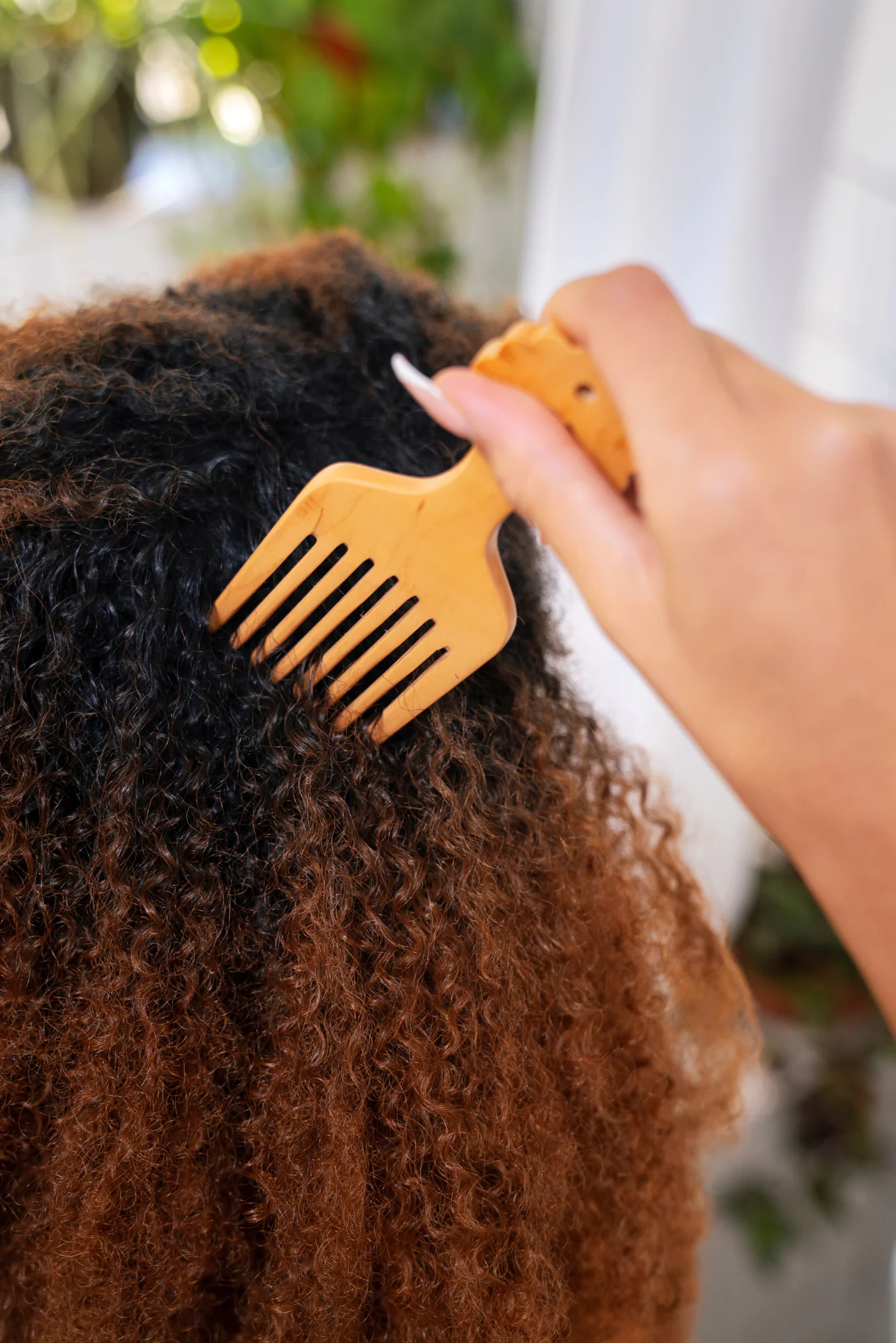
A wide-tooth comb used on wet, conditioned hair detangles with significantly less breakage than a brush pulled through dry strands. Silk or satin pillowcases reduce the overnight friction that causes frizz, dryness, and breakage during sleep. Swapping tight elastics for soft fabric scrunchies removes a consistent source of tension at the points where hair is most vulnerable to snapping.
10. Minimal Styling for Natural Texture and a Considered Finish
Not everything needs product, and not every style needs effort. The most compelling hair looks right now lean into natural texture rather than overriding it, using lightweight formulas to define and refine rather than stiffen or flatten it. The result is the kind of finish that looks intentional precisely because it does not look forced.
Work with your hair’s natural movement rather than against it. One or two targeted products applied to damp hair and left to dry without heavy manipulation tend to produce better results than layering multiple formulas together. Air drying, when the schedule allows, consistently delivers softness and texture that heat tools rarely replicate. The goal is enhancement, not control.
11. Consistency Over Perfection
The most effective hair care routine is one you can actually sustain. Switching products constantly, chasing trends, or overcorrecting after one bad hair week disrupts the slow, cumulative progress that genuinely healthy hair requires. Consistently repeating small, intentional habits always outperforms dramatic overhauls.
Consider refining your routine to focus on the products you genuinely use, rather than those that merely appear impressive on a shelf. Focus on a few reliable products that work for your specific hair type and build from there. Track what shifts when you change something and adjust slowly. Healthy hair cannot be built in a week. It is the result of a routine that fits your lifestyle and respects what your hair is telling you.
12. The Bottom Line
The best hair care advice is to be consistent, no matter the trend. A simple routine followed reliably will always outperform a complex one abandoned after two weeks. Hair that is cared for with intention and patience projects health in a way that no single product can manufacture overnight.
The practical version of this process is building around what your hair actually needs rather than what the latest launch suggests it should have. Ignore the noise and focus on the fundamentals: clean scalp, hydrated strands, protected ends, and minimal unnecessary manipulation. Understanding your hair type is the foundation. What you style from there, and how you wear it, is entirely your own.