How to Dress for Your Body Type: The Modern, Effortless Style Guide
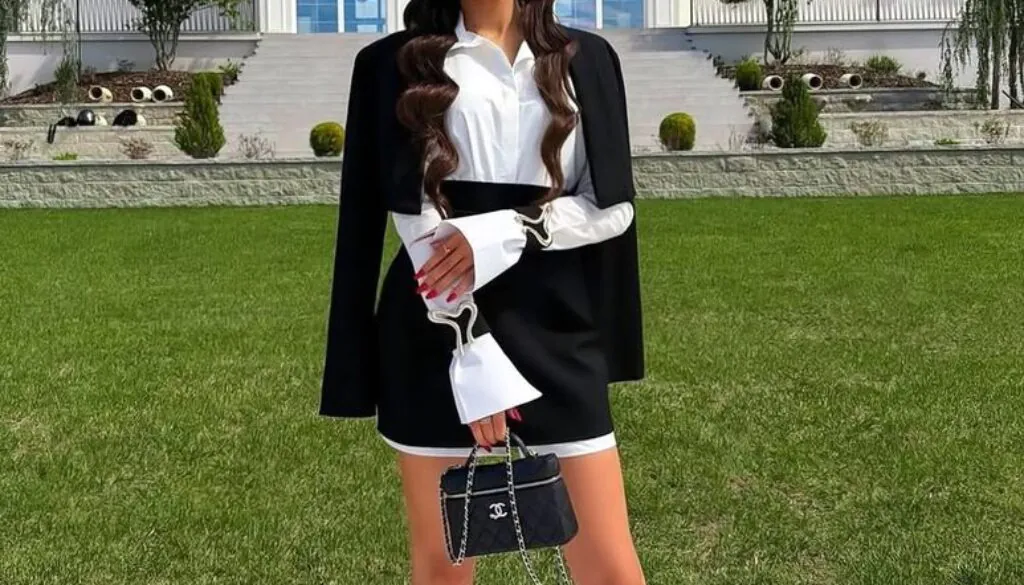
Style right now is moving away from rigid rules and toward something more considered, more proportional, and more personal. Dressing for your body type was never about restriction. It has always been about understanding what creates visual harmony so that getting dressed feels intuitive rather than effortful. These are the ideas worth knowing.
1. Balanced Silhouettes
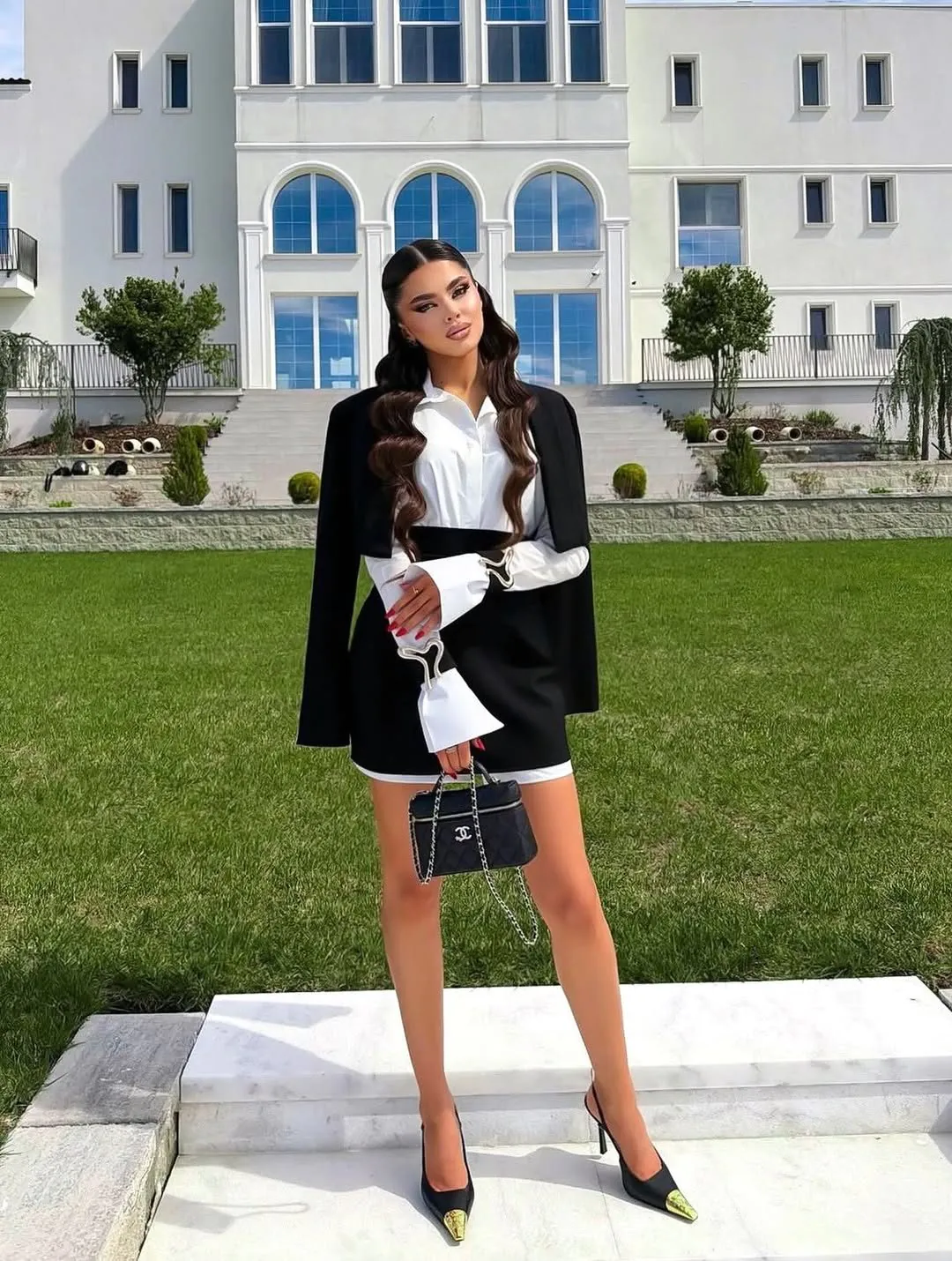
Every body type benefits from the same core principle: balance. When proportions feel off, the outfit draws attention for the wrong reasons. When they land right, you just look put-together. The practical foundation is simpler than most people think. Pair an oversized top with a fitted bottom, or flip it entirely. Choose fabrics that drape rather than cling: linen blends, lightweight cotton, and soft wool. Use belts to suggest a waist without forcing one. A neutral palette of beige, black, cream, and soft grey keeps the overall effect minimal and easy to wear.
2. Soft Tailoring for Every Body Type
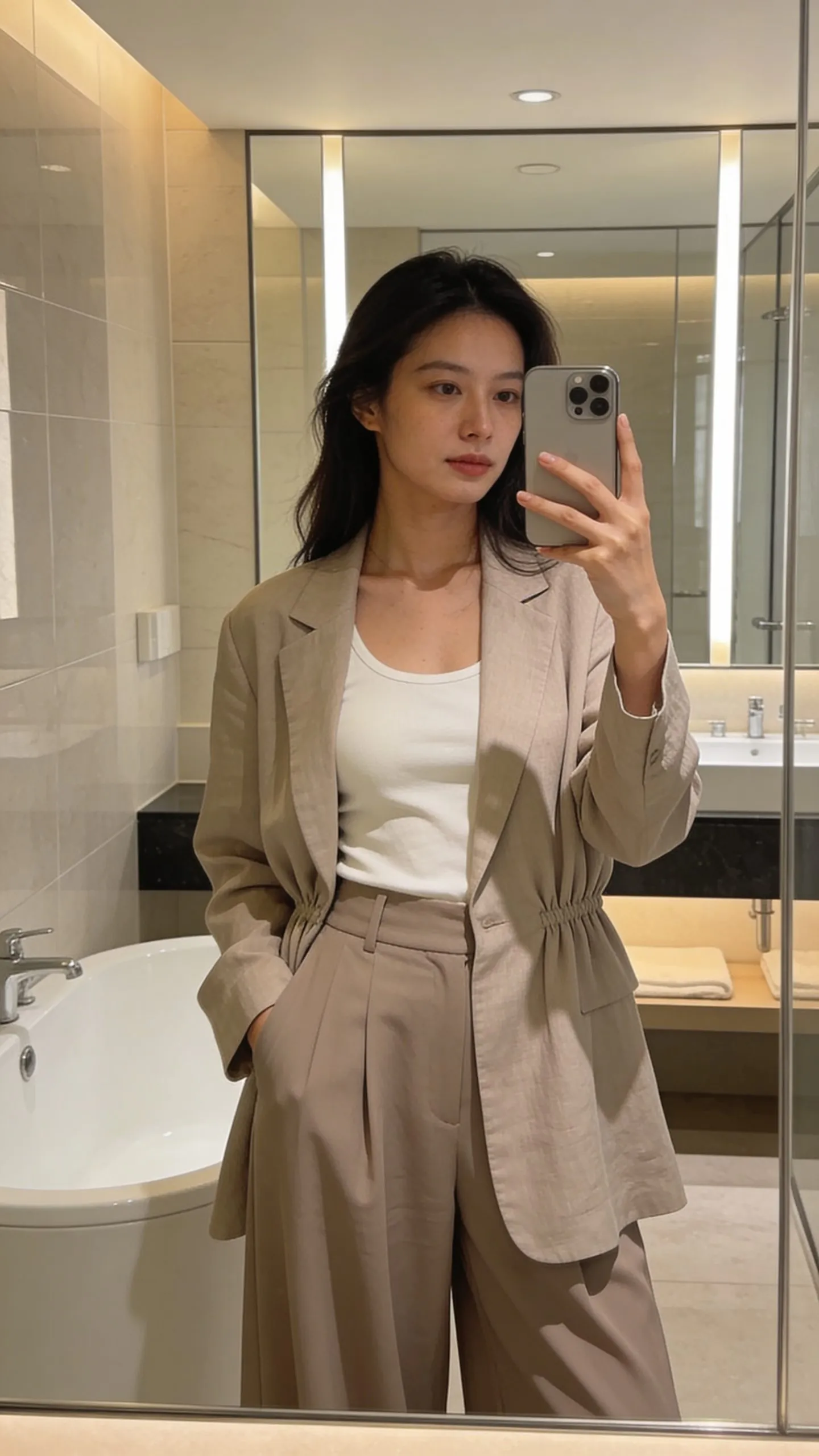
Soft tailoring suits every body type because it strikes a balance between structured and relaxed. A relaxed blazer with a hint of waist shaping reads entirely different from a rigid, boxy alternative. The silhouette is polished, but the energy is unbothered. For petite and pear-shaped bodies, high-waisted trousers are the most reliable piece in this category because they extend the leg line immediately. A monochrome outfit in muted tones like taupe, olive, or charcoal amplifies the effect further by creating one unbroken vertical line from shoulder to ankle.
3. Waist Definition
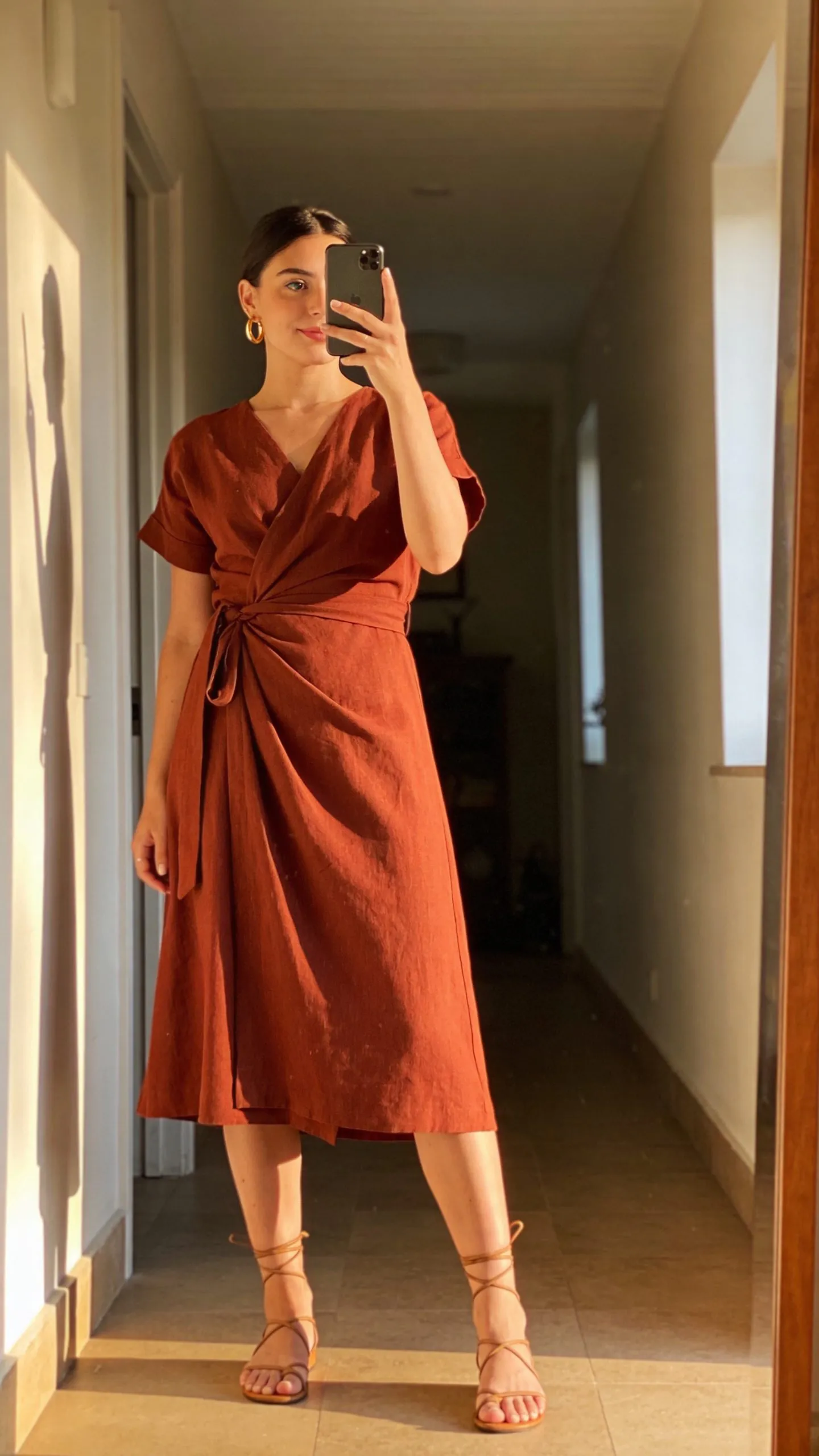
Defining the waist does not require anything dramatic. Wrap silhouettes, cinched midi dresses, and high-rise bottoms suggest an hourglass shape without forcing one. A wrap top or wrap dress gives you an adjustable fit as a built-in feature, making it one of the most versatile pieces you can own. Belted blazers and belted coats work the same way. High-waisted jeans paired with a cropped top create natural waist definition with a current, relaxed edge. The key is gentle shaping rather than compression.
4. Monochrome Dressing
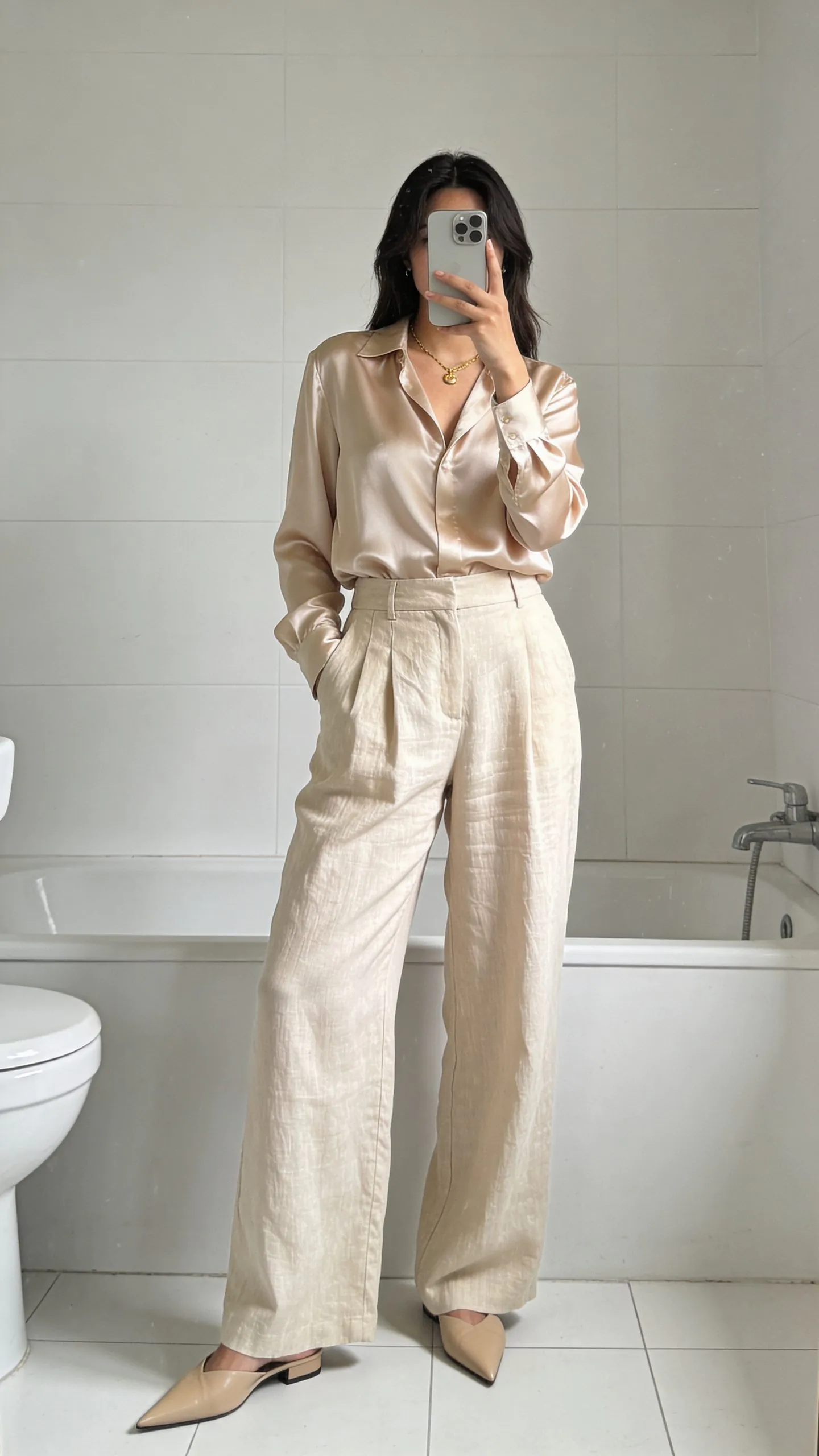
If there is one styling shortcut worth committing to, monochrome is it. Dressing in a single color family from head to toe creates a seamless vertical line that makes the body read as taller, longer, and more streamlined. It flatters every silhouette, which is rare. The way to keep it from looking flat is to mix textures within the same color story. Pair a silk blouse with linen trousers. Add gold jewelry to an all-beige look to introduce warmth without breaking the palette. A pointed-toe shoe at the base reinforces the elongating effect considerably.
5. Strategic Layering
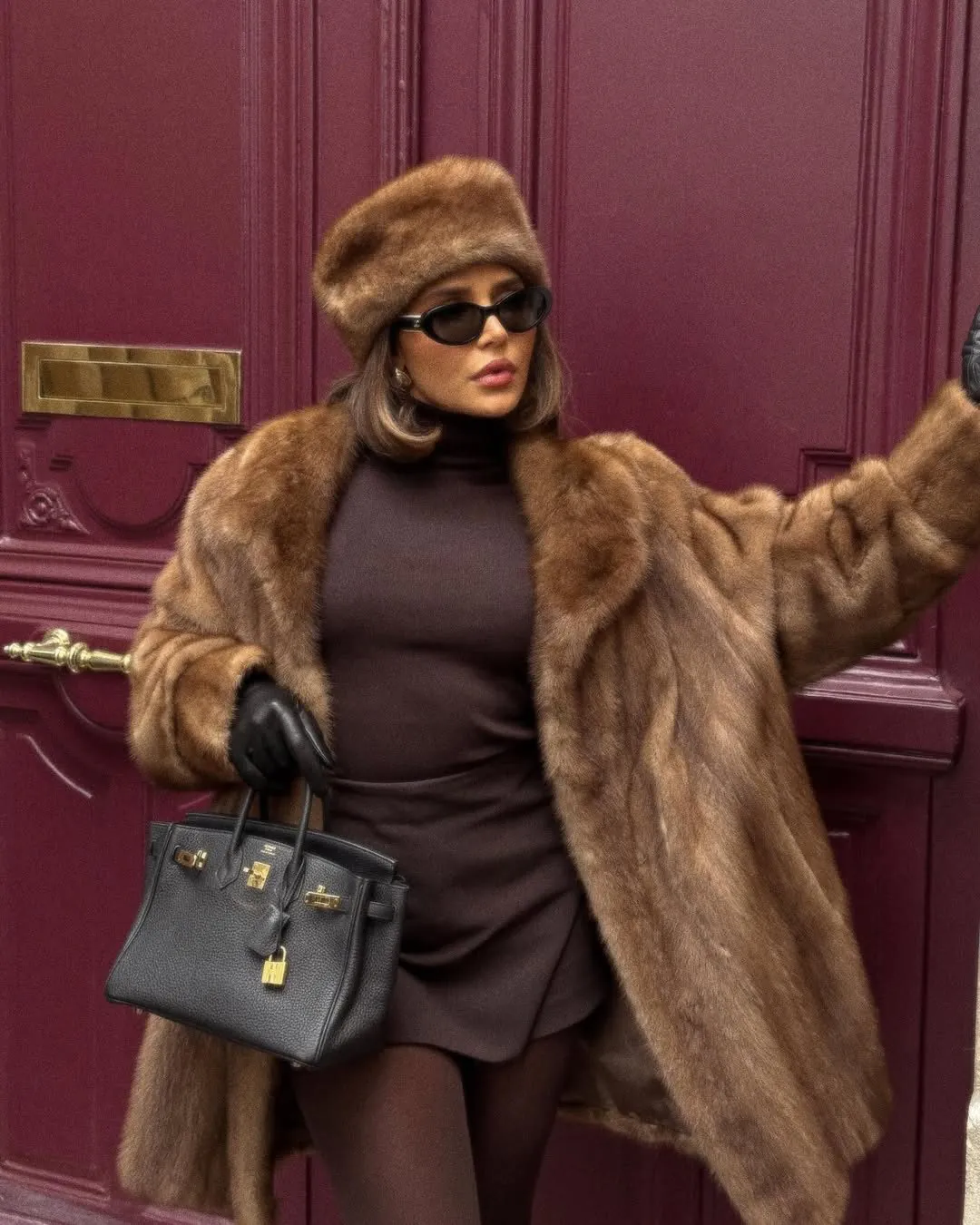
Layering has a reputation for adding bulk, but when done right, it does the opposite. It creates dimension, defines the waist, and extends the leg line depending on what you choose. A long outer layer like a tailored trench coat draws the eye downward and elongates the entire frame, which works particularly well for shorter bodies. Cropped jackets sit right at the natural waist, making them a strong choice for petite frames. Keep layering pieces lightweight and close to the body rather than adding volume where you don’t want it.
6. Necklines and Shoulder Details
Necklines are one of the most underestimated tools in dressing for your body type. A V-neckline elongates the torso and creates visual space, making it especially well-suited for fuller busts. Square necklines balance upper body proportions and feel particularly current right now. Structured shoulders add definition to softer or narrower frames. Off-shoulder styles draw attention to the collarbone, which tends to be a universally elegant focal point regardless of body type.
7. The Contrast Principle
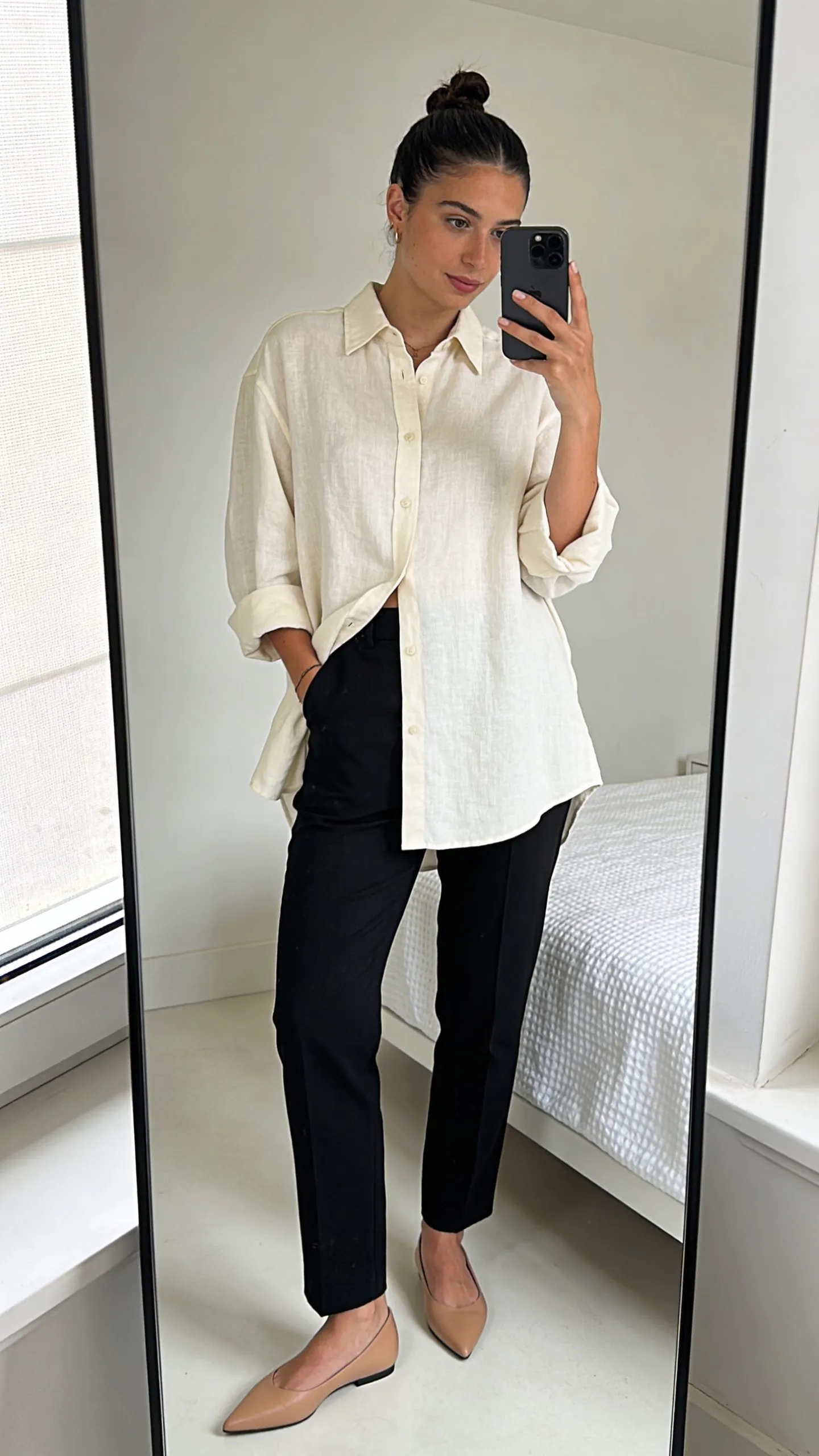
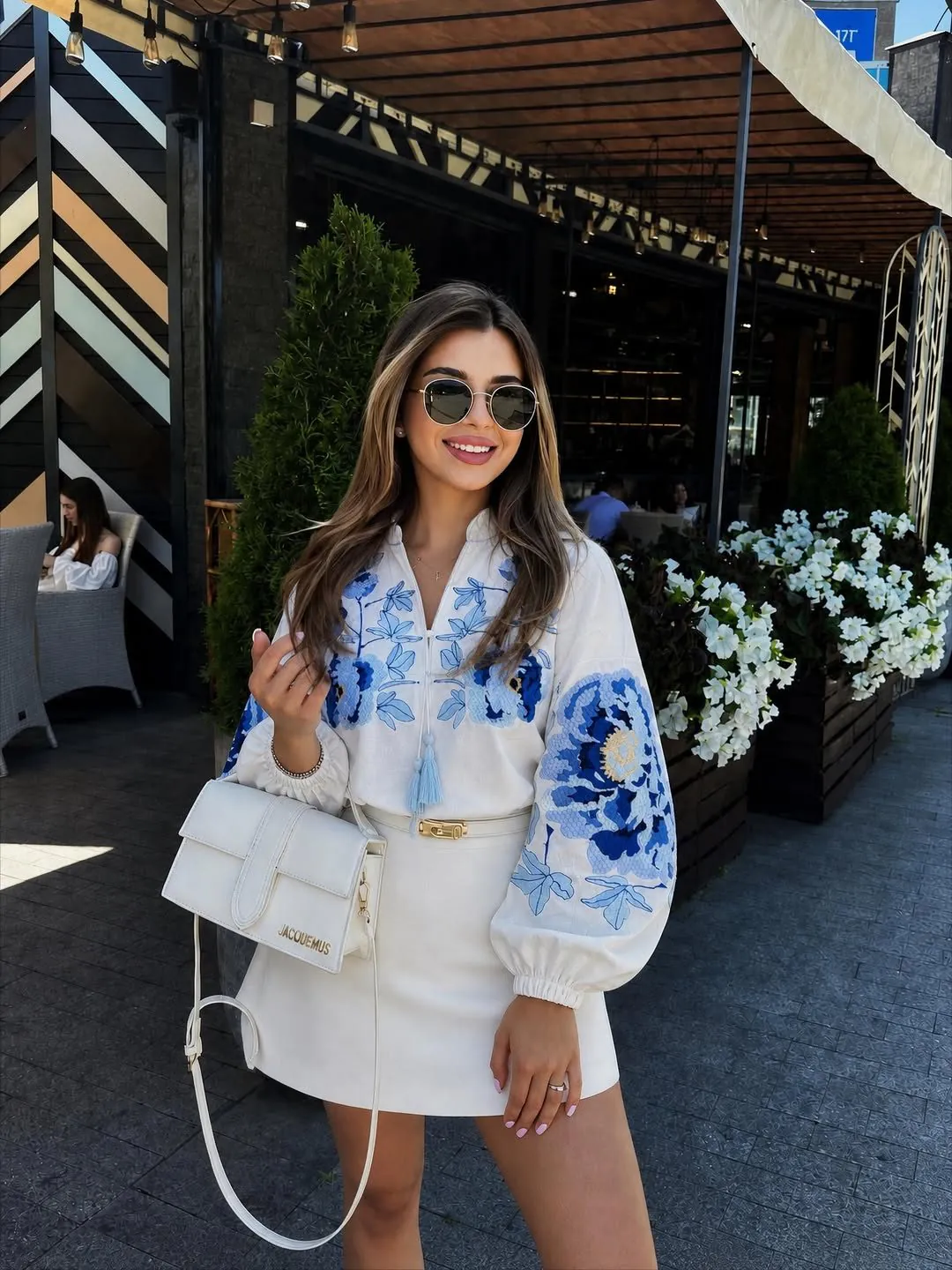
Not everything should be oversized, and not everything needs to be fitted. The most interesting outfits right now lean into contrast: one relaxed piece set against one structured one. A loose blouse with tailored trousers is a classic example. A fitted ribbed top with wide-leg linen pants is another. A flowy dress worn with a sharp blazer transforms into something more intentional. The goal is to balance volume so the outfit feels considered rather than accidental. One part of the outfit should always anchor the other.
8. High-Waisted Bottoms
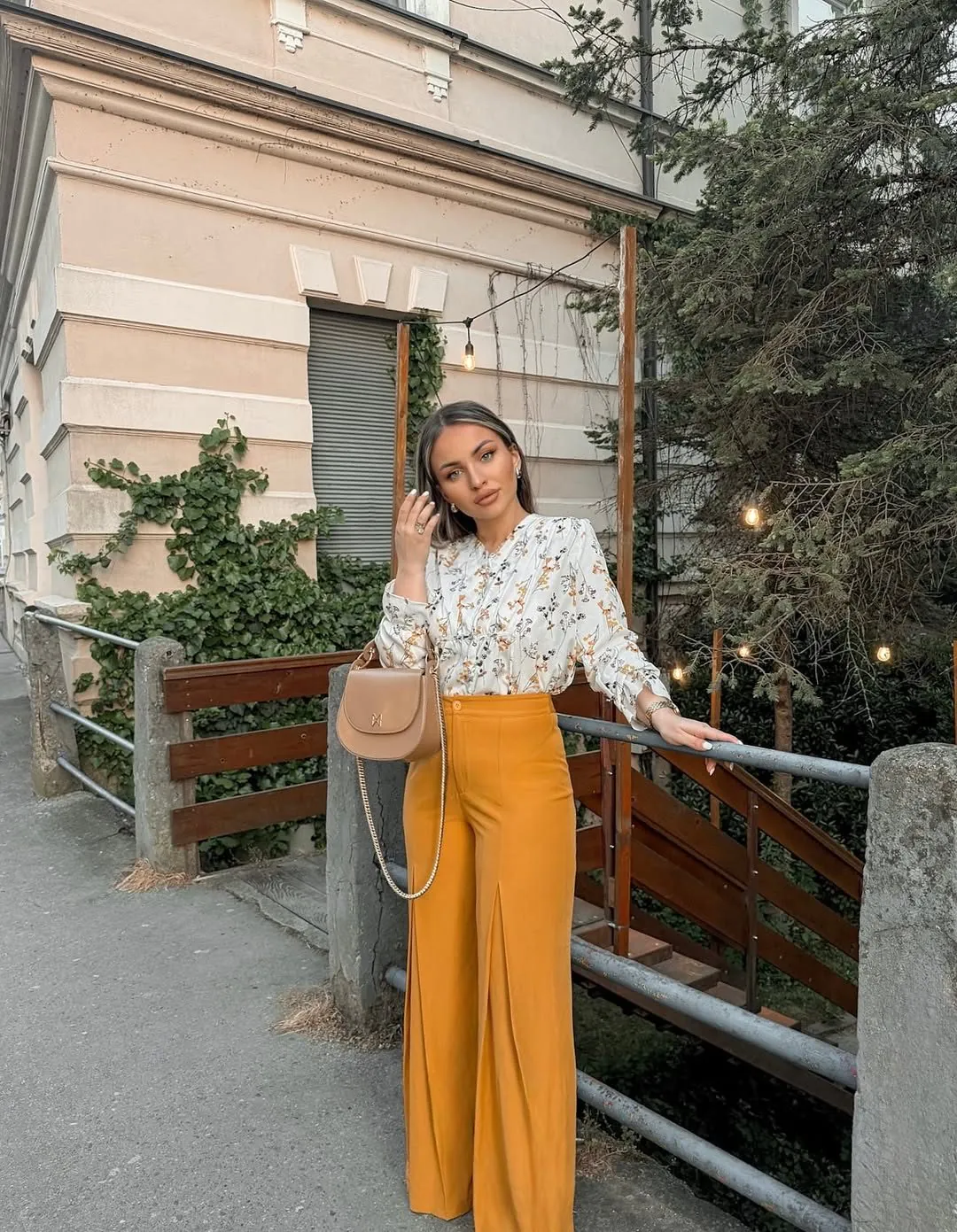
High-waisted bottoms remain one of the most consistently flattering silhouettes across all body types because they accomplish two things at once: they define the narrowest part of the torso and extend the visual length of the legs below. A tucked-in top or fitted knit creates a polished result. A cropped top adds a more current, relaxed edge. Rigid denim gives structure, while softer fabrics like satin or lightweight cotton create a more fluid finish. A thin belt is worth adding when you want a slightly more dressed-up approach without changing the core silhouette.
9. Fabric Choices
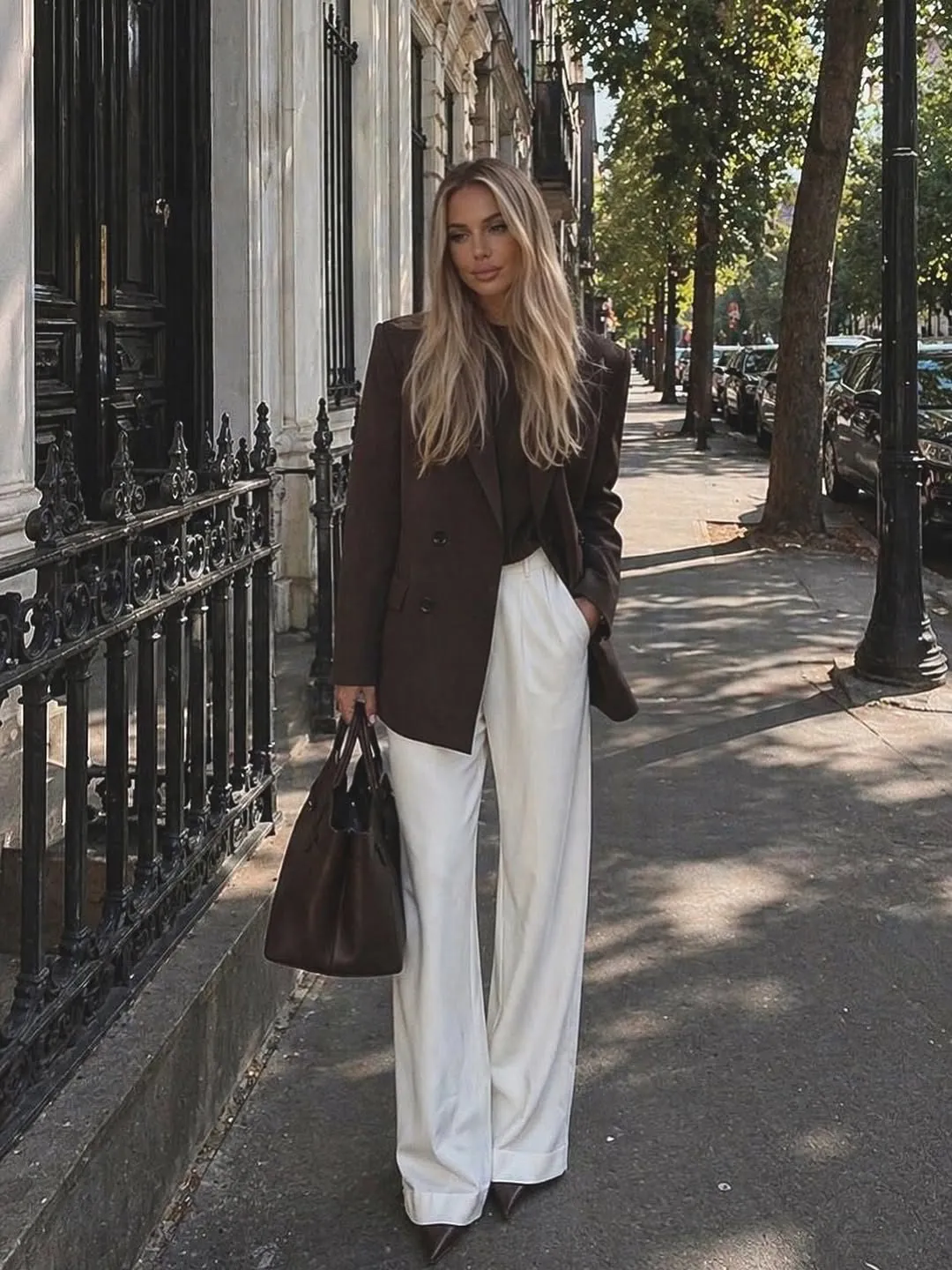
Fabric is where most dressing decisions quietly succeed or fail. The cut of a garment matters less than you think if the fabric is not working in your favor. Structured materials like denim, tweed, and thick cotton add definition and hold their shape. Soft fabrics like jersey, viscose, and silk move with the body and create a more fluid, elegant finish. Heavily clingy fabrics tend to work against most body types by emphasizing texture rather than shape. Using fabric contrast within an outfit, like a silk blouse tucked into structured trousers, adds visual interest without adding bulk.
10. Minimalist Accessories
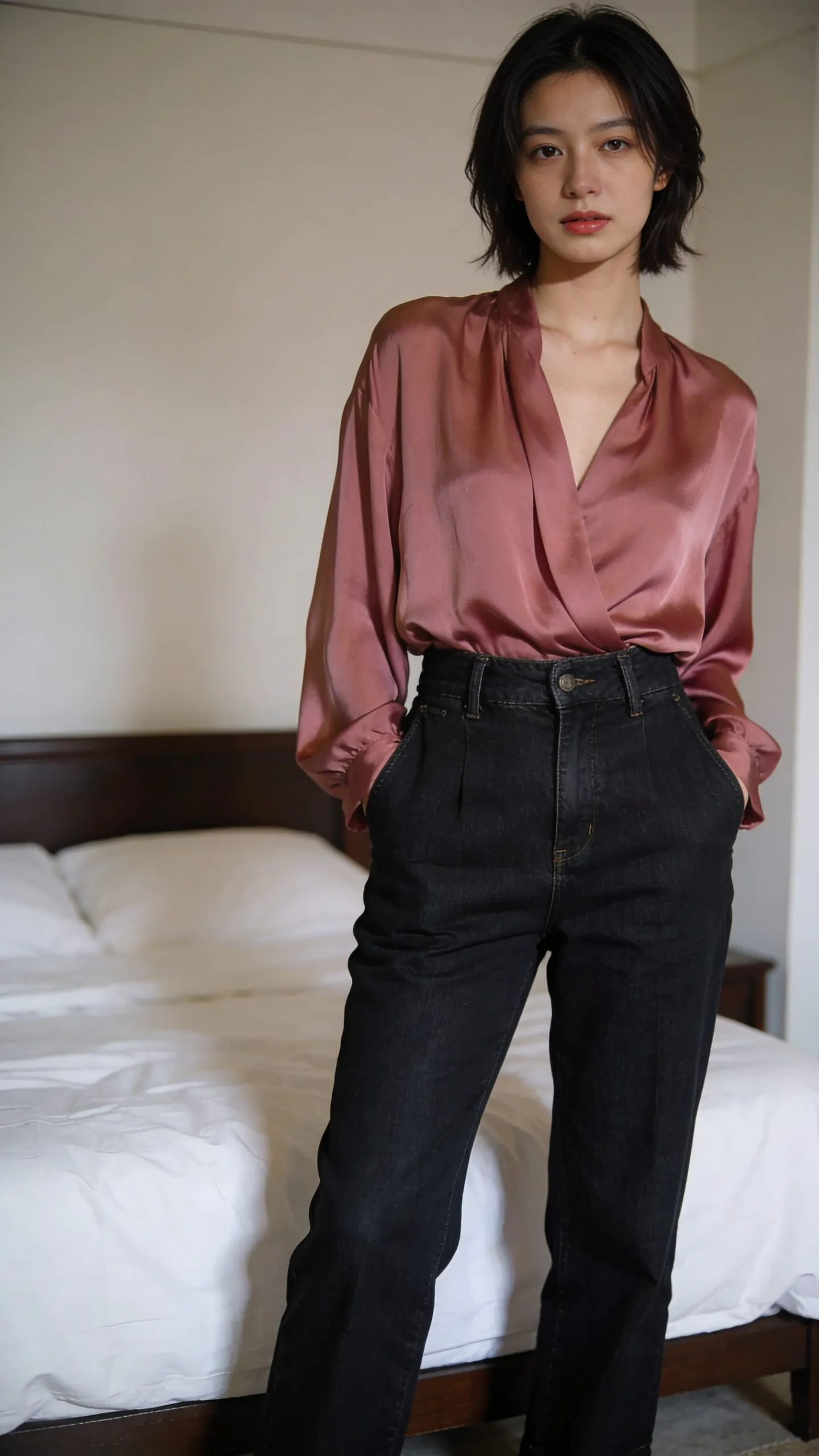
Accessories either sharpen an outfit or overwhelm it. The current direction leans toward minimal and considered: one or two pieces that carry weight rather than a layered collection that competes with the clothes. Gold jewelry looks clean and warm against almost every skin tone. A structured bag adds polish to an otherwise casual look. Pointed-toe shoes are worth investing in specifically for what they do to leg length: they extend it visually in a way that round-toe alternatives simply do not. These choices are small, but the effect on the overall outfit is significant.
11. The Bottom Line: Confidence-Led Dressing
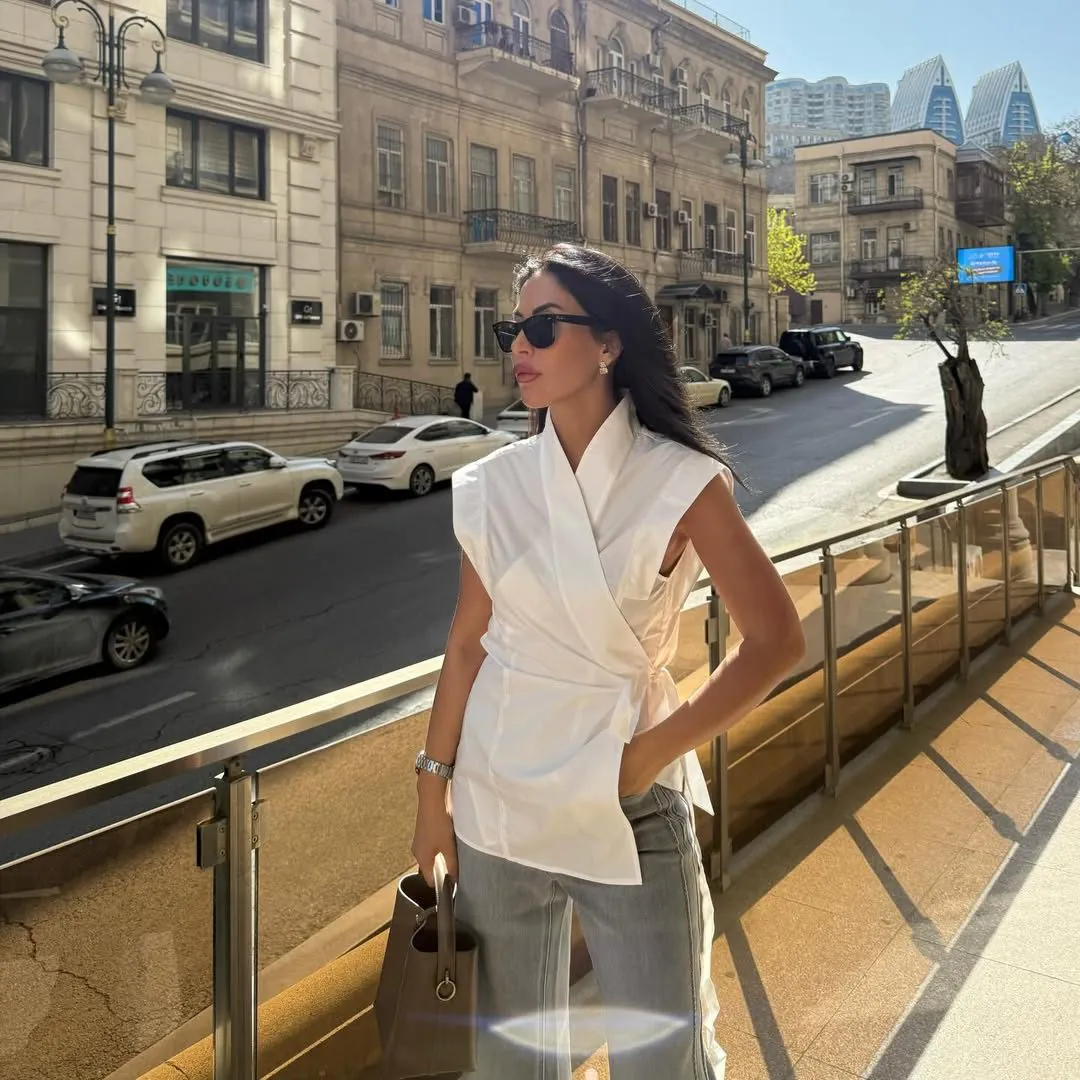
The most enduring styling advice stays the same regardless of what is trending: none of it works if you do not feel good wearing it. Clothes that fit well and feel comfortable tend to project more style than clothes that check every trend box but feel wrong on the body. Confidence reads. Discomfort does too. Edit your wardrobe to reflect what you actually reach for, rather than what you think you should wear. Ignore size labels and focus on fit. Build around pieces that translate across multiple outfits. Understanding your body type is simply a starting point. What you do with that knowledge, and how you wear it, is entirely your own.