Nail Care for Healthy, Strong, and Beautiful Nails
Nail care is moving in one clear direction: away from quick fixes and back-to-back salon appointments and toward something more considered, more deliberate, and far more personal. Caring for your nails was never just about color or length. It has always been about understanding what creates a healthy, refined finish so that maintaining it feels second nature rather than a chore. These are the ideas worth knowing.
1. Clean, Healthy Nails as Your Starting Canvas
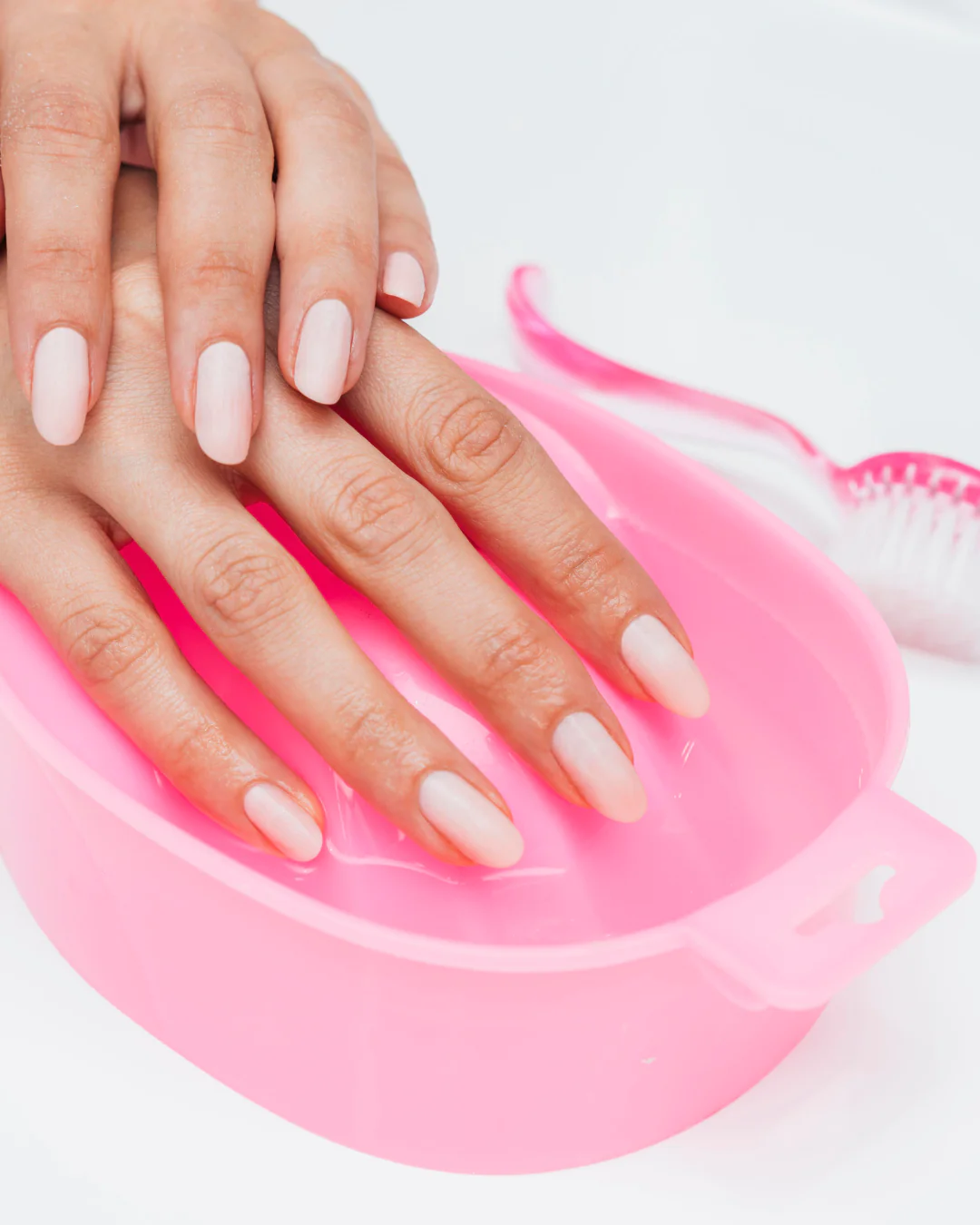
Every effective nail care routine is built on the same core principle: start clean. Product buildup, oils, and debris weaken the nail surface and affect how every treatment, base coat, or polish performs on top. When the foundation is compromised, nothing applied over it will sit or last the way it should.
The practical starting point is straightforward. Remove old polish thoroughly using a gentle, non-abrasive remover. Wash your hands consistently and keep the undersides of your nails free from buildup without harsh scraping, which causes surface damage over time. Clean, clear nails create the ideal canvas for everything that follows and look noticeably more refined even when completely bare.
2. Nail Shaping in Oval, Almond, and Soft Square
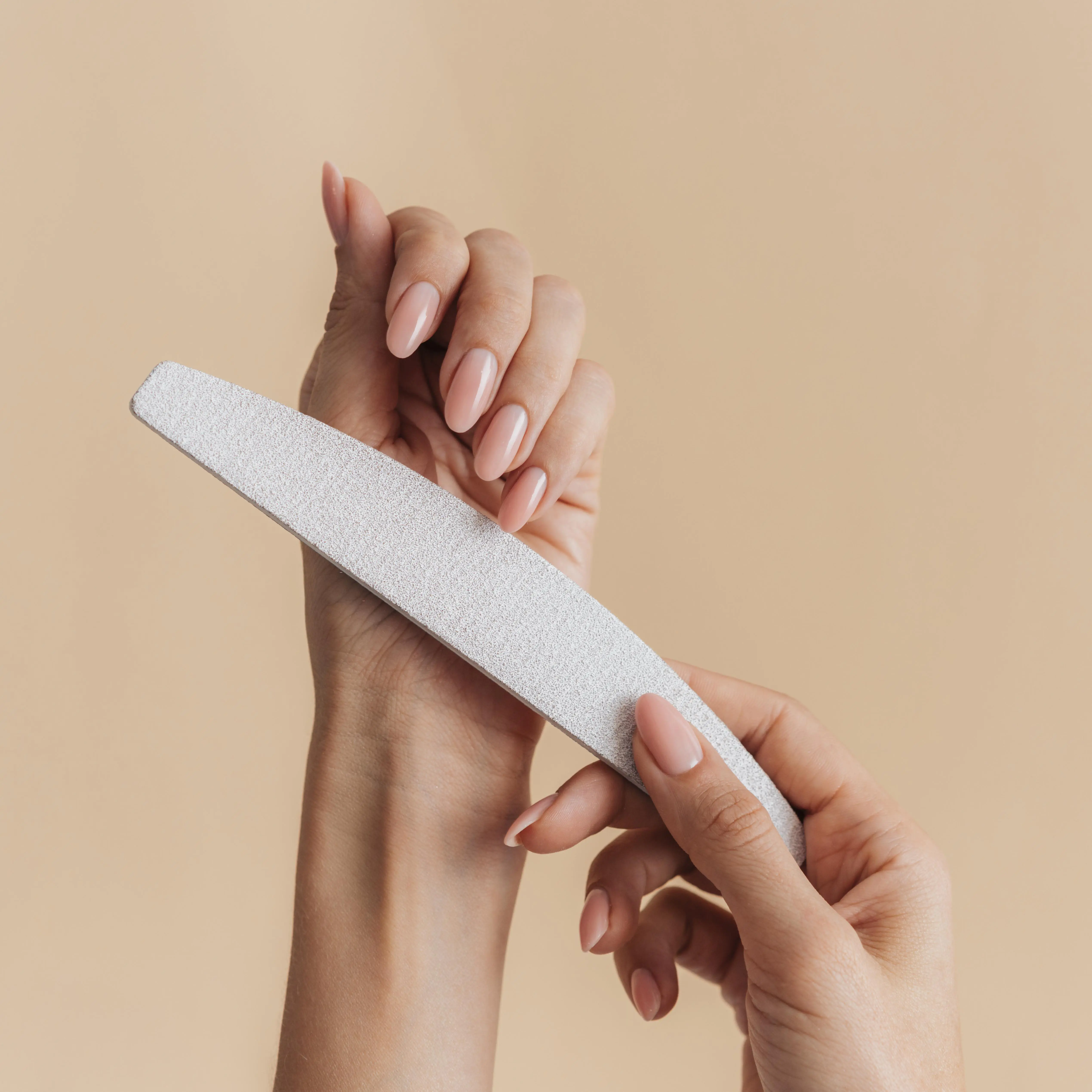
Shape is one of the most underestimated elements of nail care. The right shape can visually elongate the fingers, create balance across the hand, and elevate the overall look of your nails in a way that polish alone cannot. Currently, soft and natural silhouettes are the standard because they feel clean, wearable, and effortlessly polished without reading as overdone.
Oval and almond shapes create a gentle elongating effect that flatters most finger lengths and widths. A soft square sits flatter and more structured, offering a cleaner, more architectural feel for those who prefer it. The practical rule is to file in a single direction rather than back and forth, which prevents splitting and keeps the edge smooth. Keep lengths manageable for daily life so that the shape holds and does not chip.
3. Cuticle Care with Daily Oil for a Finished, Elevated Look
Cuticles are one of the smallest details in a nail routine and one of the most visually significant. Dry, overgrown, or ragged cuticles draw attention immediately and can make even a fresh, flawless manicure look unkempt. Tending to them consistently is what separates nails that look maintained from nails that simply look painted.
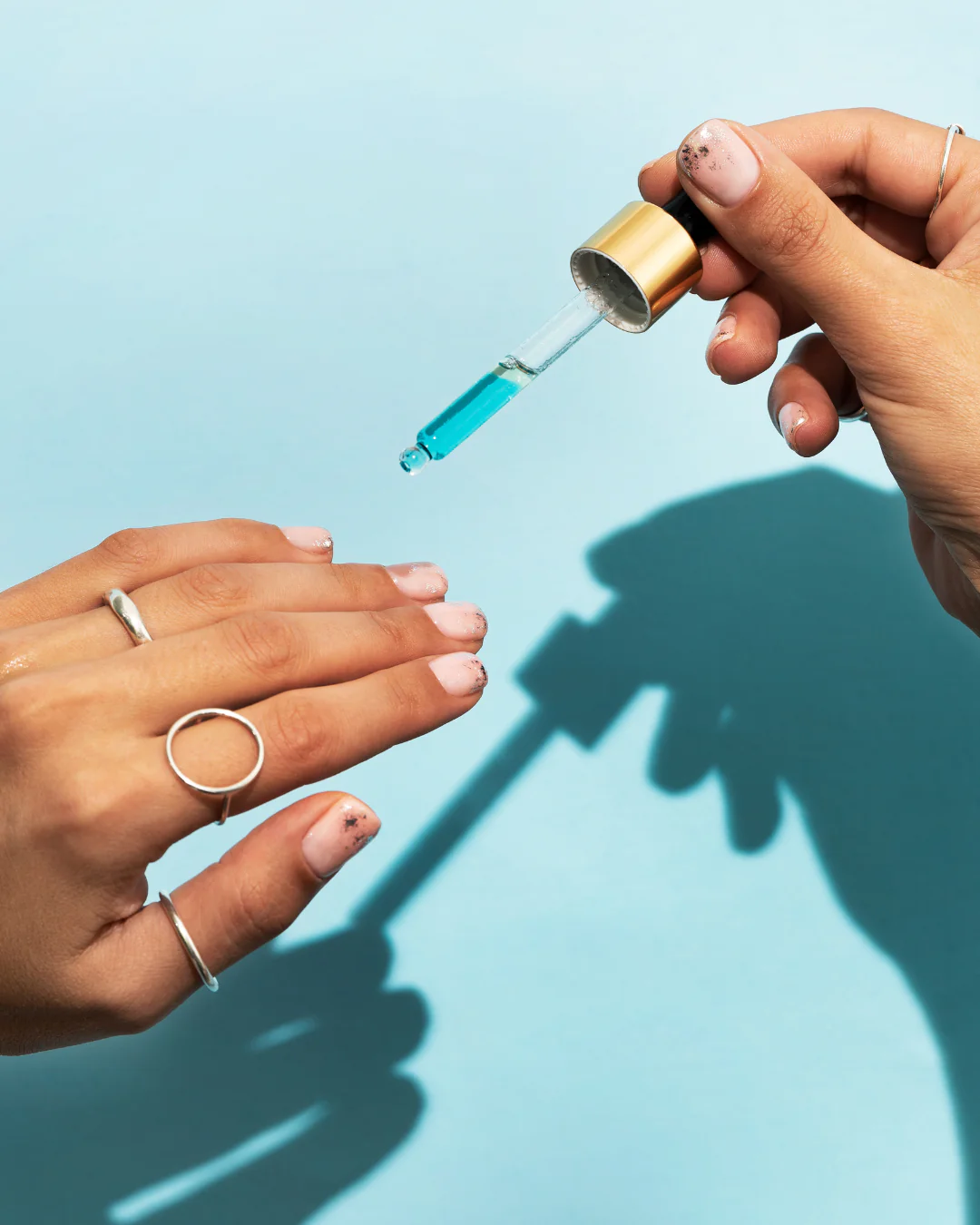
Cuticle oil applied daily is the most effective single habit in this category. It keeps the skin surrounding the nail soft, supple, and pushed back naturally without force. The least damaging approach involves gently nudging cuticles back after a shower, when warmth and water have already softened them. Cutting them too frequently removes the protective barrier they provide, leaving the nail bed more vulnerable to infection and irritation.
4. Hydration with Shea Butter, Vitamin E, and Natural Oils for Strength
Dry nails break. It is as straightforward as that. Nails that lack moisture become brittle, begin to peel at the edges, and split under the kind of everyday pressure that well-hydrated nails handle without issue. Hydration is the step most routines skip and the reason they fail to deliver lasting results.
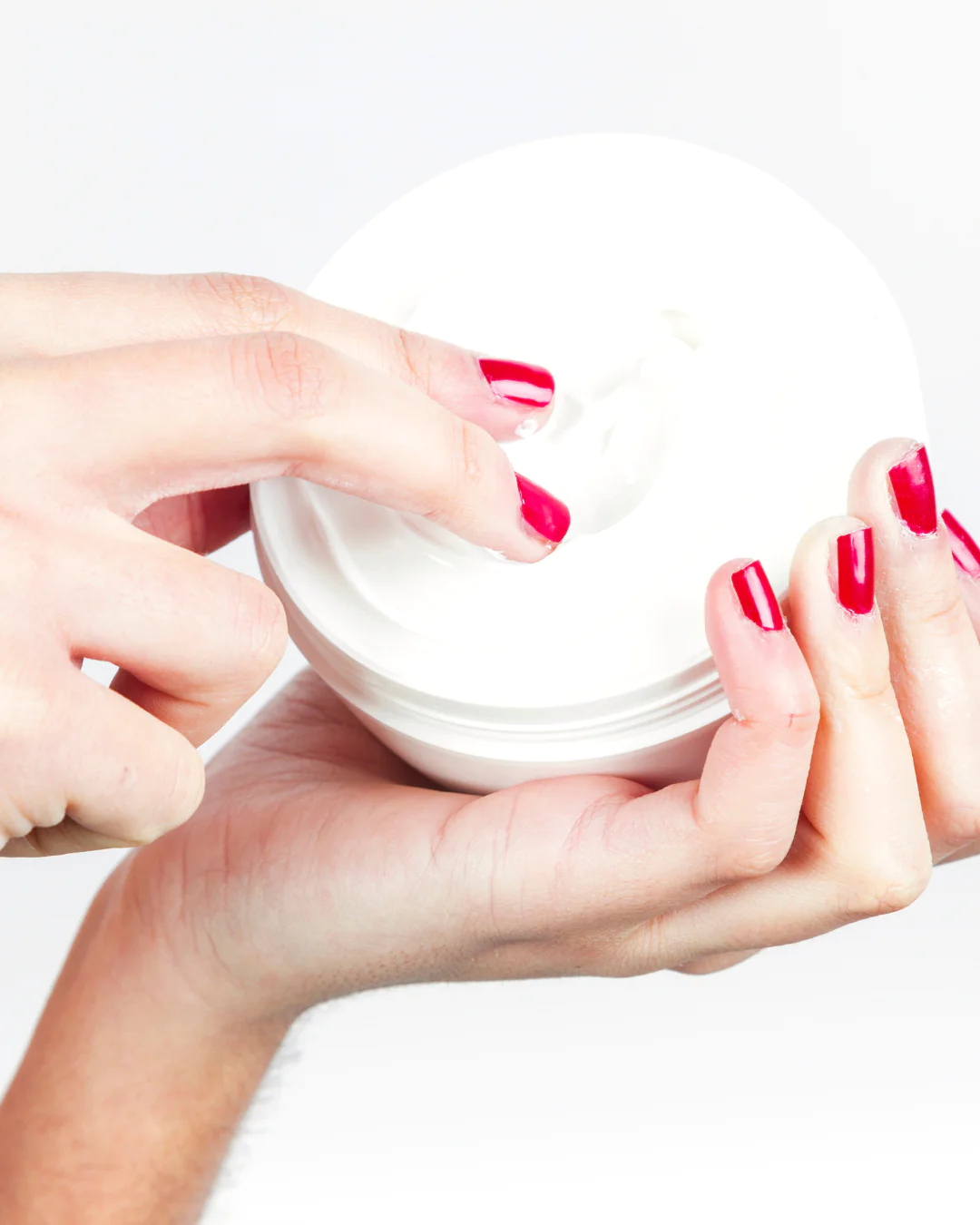
Hand cream applied regularly, particularly after washing your hands when moisture has been stripped away, makes a cumulative difference that becomes visible over weeks rather than days. Look for formulas built around shea butter, vitamin E, and natural oils, all of which absorb efficiently and support both nail and cuticle health. Massage the product into the nail plate and surrounding skin rather than simply over the surface so it actually reaches where it needs to go.
5. Strengthening Treatments for Brittle, Weak, or Peeling Nails
Weak nails are not a permanent condition. They are almost always the result of dehydration, overexposure to water and harsh products, or too many back-to-back applications without recovery time. Targeted strengthening treatments used consistently can rebuild the nail structure significantly over time, particularly when combined with proper hydration and careful handling.
A nail strengthener used once or twice a week is a reliable addition to any routine dealing with brittleness or breakage. The important nuance is avoiding over-reliance on hardening formulas, which can make nails too rigid and therefore more prone to snapping under pressure rather than flexing. Building in regular breaks between polish applications allows nails to breathe, recover their natural moisture balance, and absorb treatments more effectively.
6. Base Coats for Protection, Longevity, and a Smooth Finish
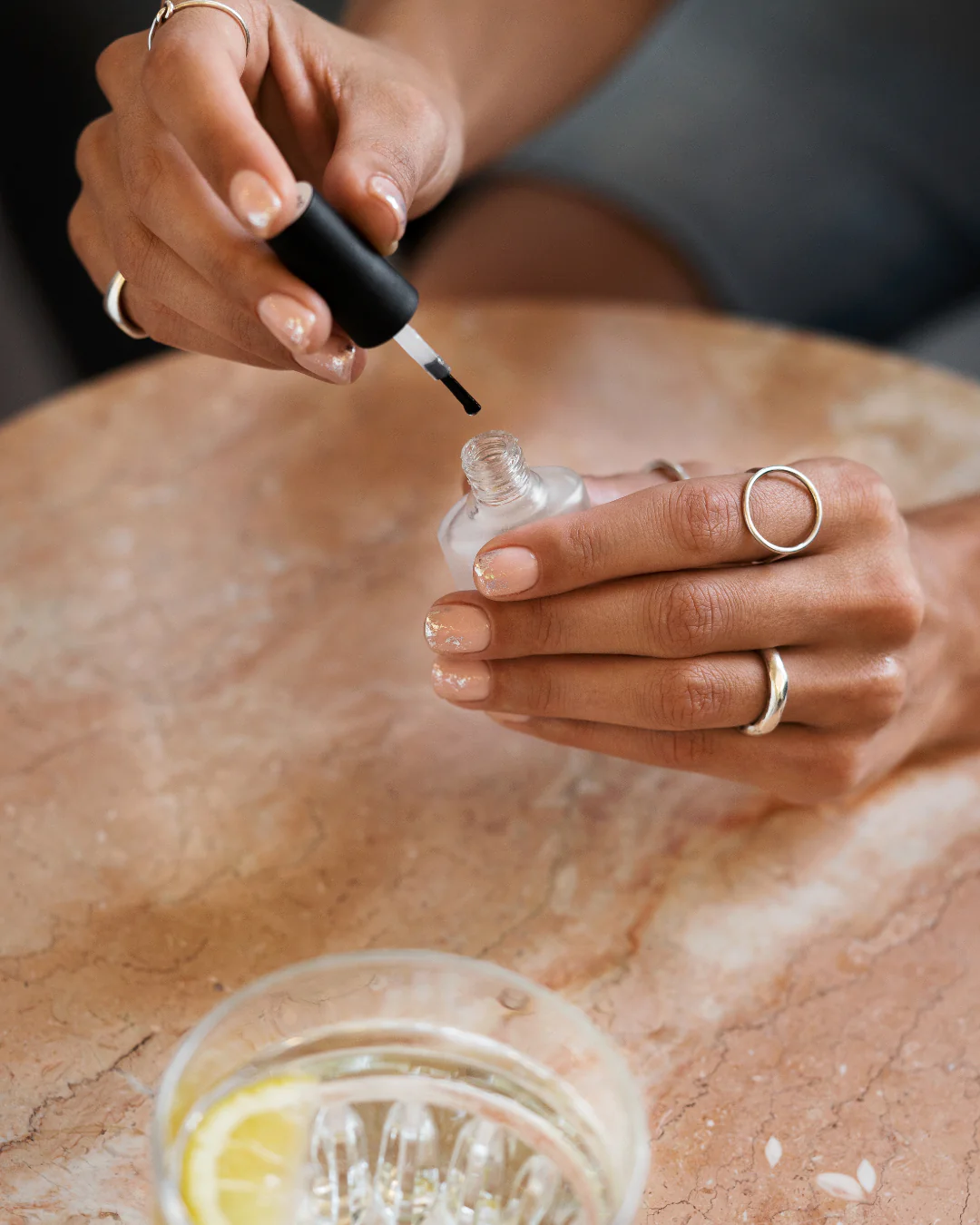
A base coat is not a preparatory step to rush through. It is one of the most protective layers in the entire routine. It shields the natural nail from staining, fills in surface ridges for a smoother application, and creates the adhesive grip that keeps color on longer without chipping at the edges. Skipping it consistently is one of the most common reasons manicures fail before they should.
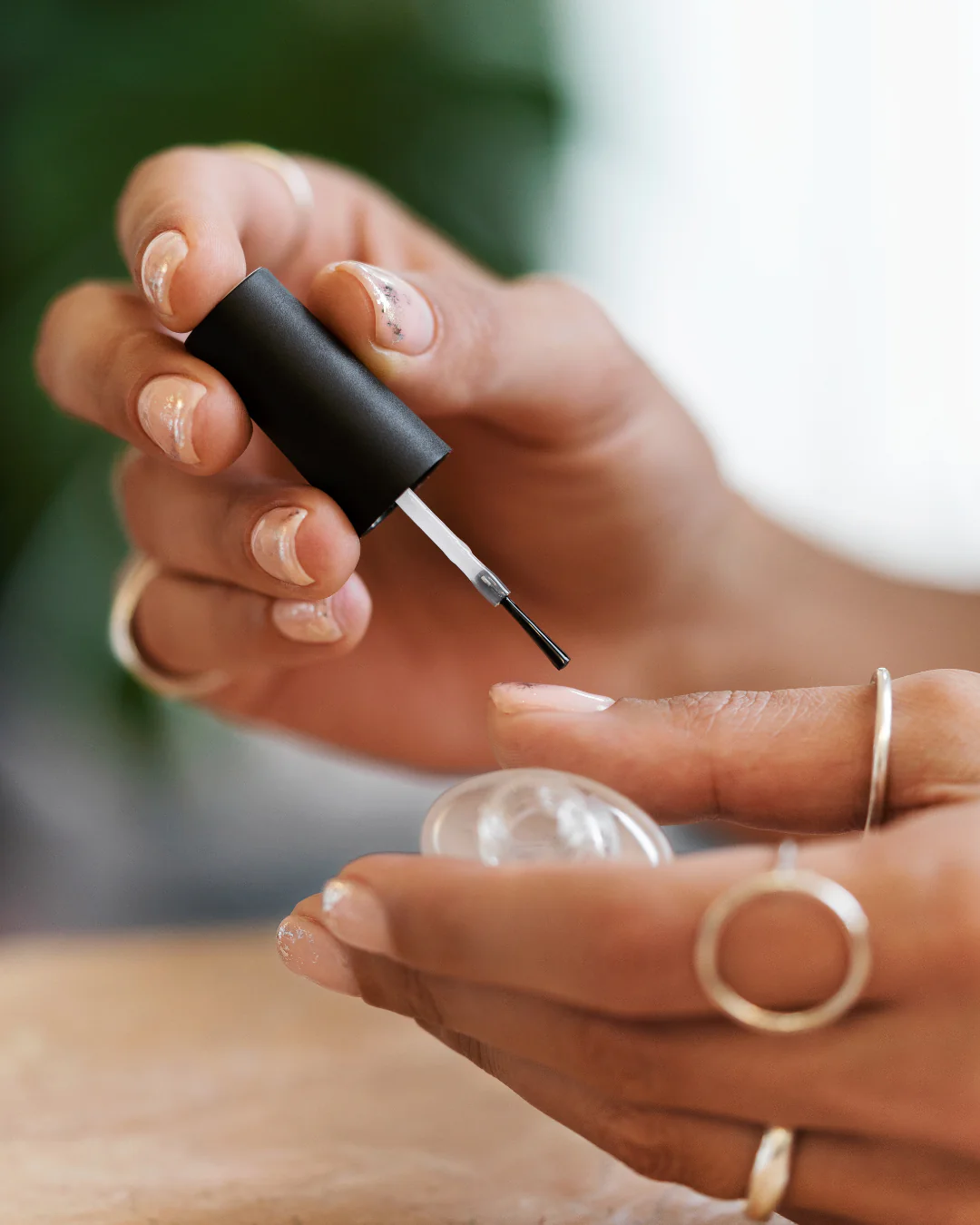
Apply a thin, even layer before any color and allow it to dry fully before continuing. Strengthening formulas work well for nails that need extra support. Ridge-filling formulas are the better choice when the surface is uneven or textured. Even on days when color is not the goal, a clear base coat alone gives a clean, quietly polished finish that needs nothing added to it.
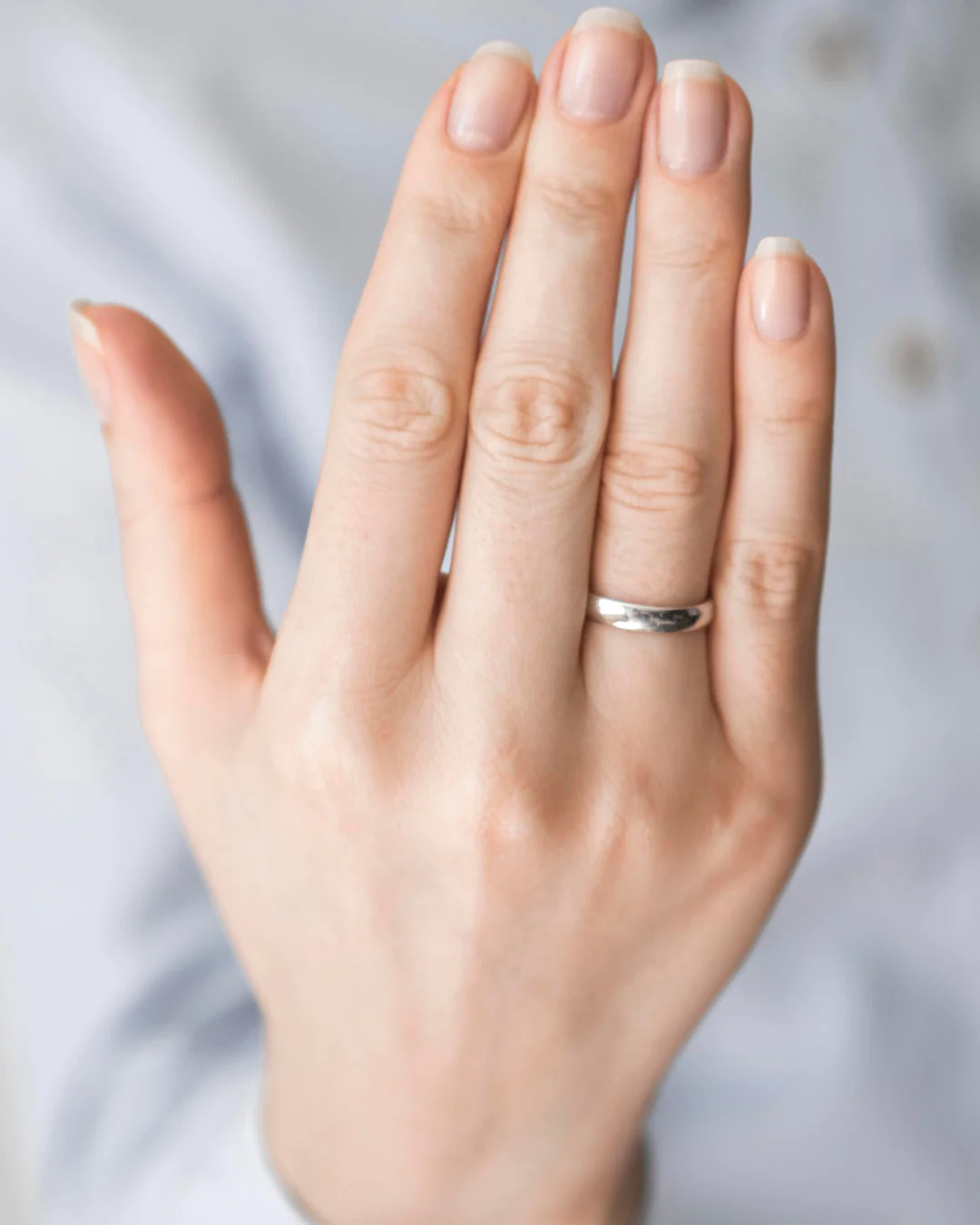
7. Soft Neutrals, Sheer Pinks, and Milky Whites: The Minimal Polish Aesthetic
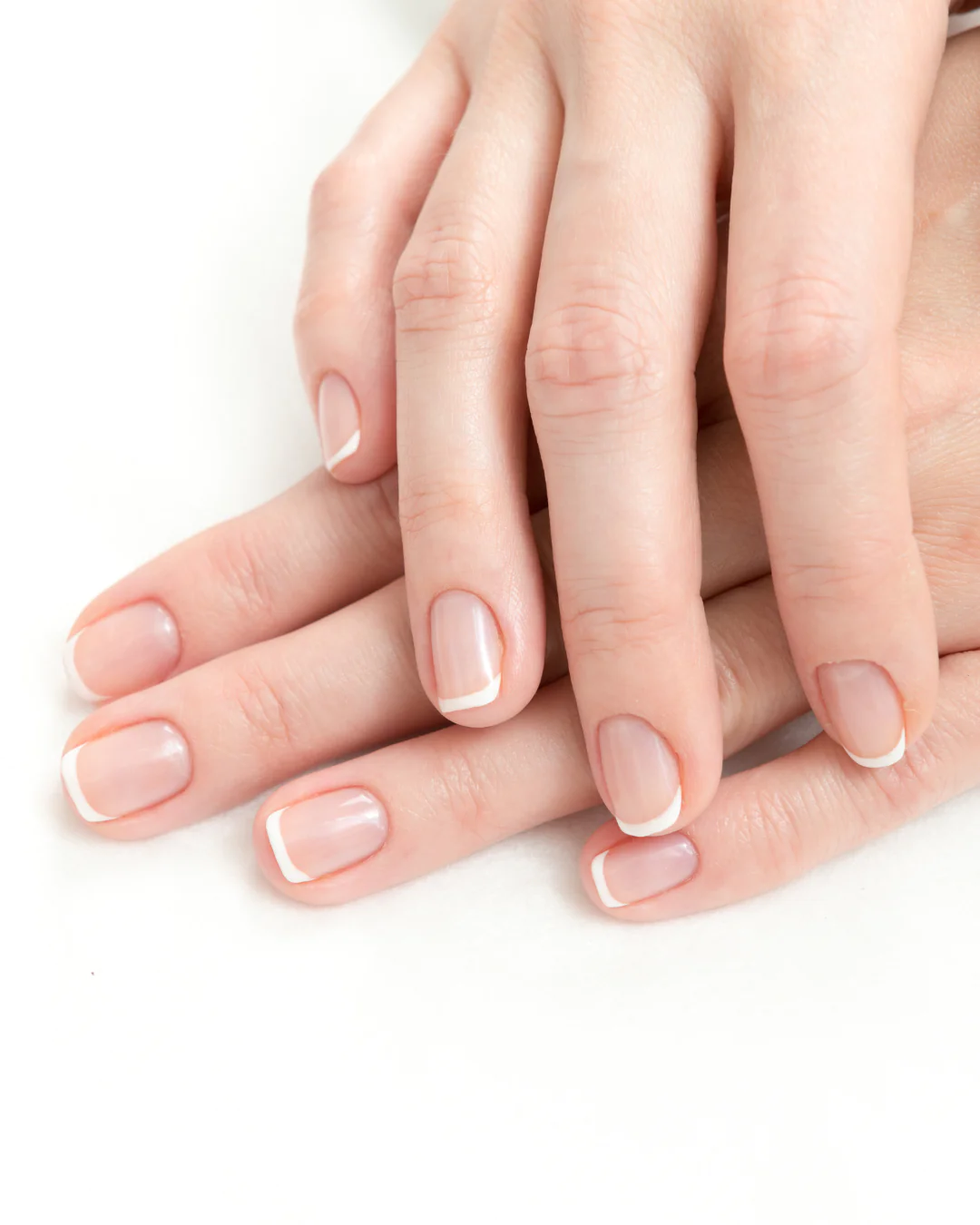
The direction nail color is moving right now leans toward soft, skin-close shades that feel natural but deliberate. Sheer pinks, milky whites, warm nudes, and understated French finishes are dominating precisely because they complement rather than compete, working with the hand rather than drawing attention away from it. The effect is refined without being high-maintenance.
Choose tones that sit close to your natural skin tone for the most seamless, elongating result. Apply in thin, controlled layers rather than one heavy coat, which dries unevenly and chips far sooner. Keeping the finish simple and the application clean produces a far more modern result than elaborate designs that require constant upkeep. The goal is a manicure that looks considered rather than complicated.
8. Gentle Removal to Preserve the Nail Surface
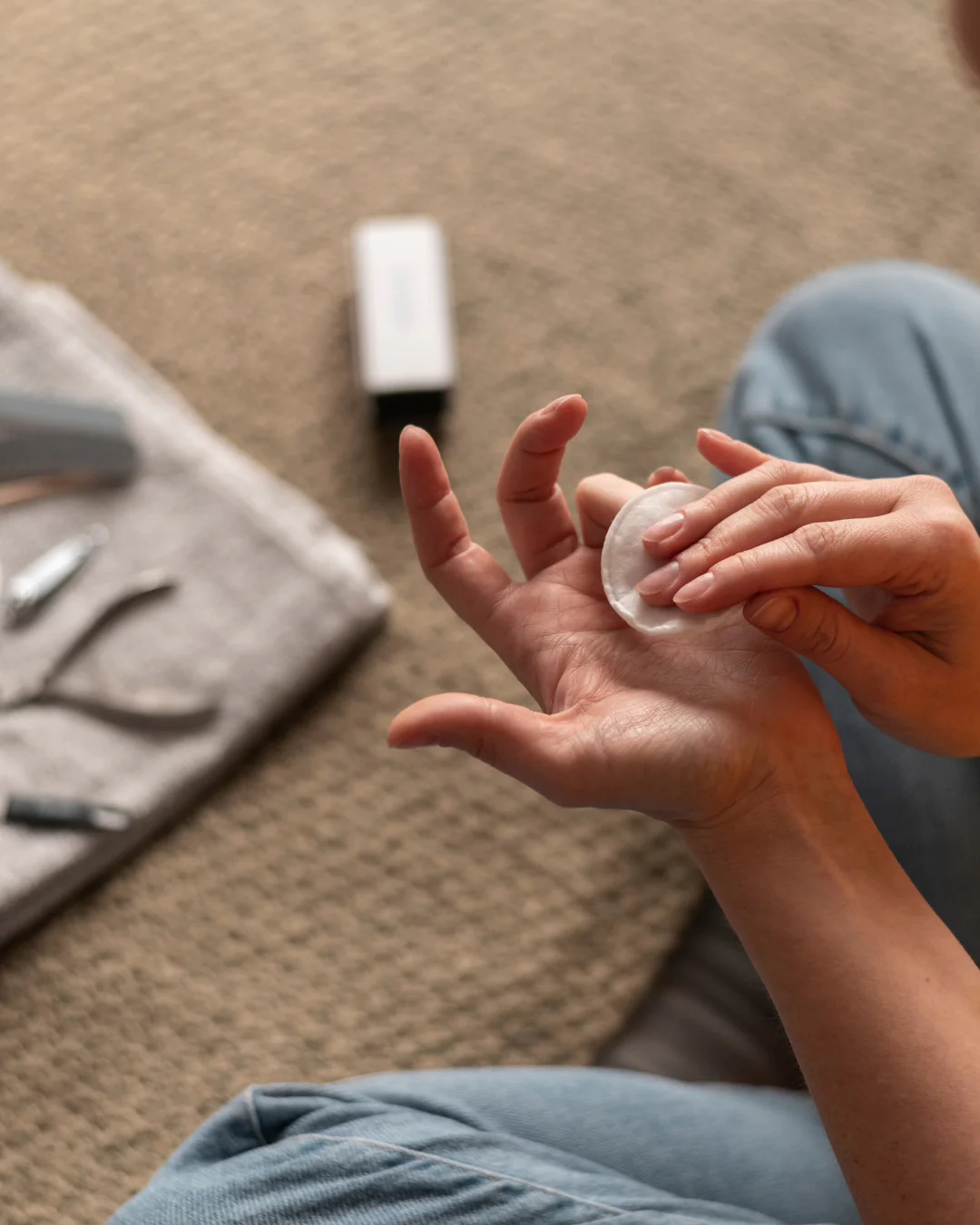
Removal is where the most overlooked damage happens. Aggressive rubbing, dry peeling, or leaving remover on the nail without following up with moisture strips the surface and leaves nails dehydrated, weakened, and more vulnerable to breakage in the days that follow. The removal process deserves as much care as the application.
Acetone-free removers are gentler on the nail plate and surrounding skin, though a carefully used acetone formula followed immediately by hydration is equally manageable. Press a soaked cotton pad firmly against the nail and hold it for a few seconds before wiping rather than scrubbing back and forth. Follow every removal session with cuticle oil or hand cream to restore the moisture that the process draws out.
9. Daily Protection Habits That Preserve Your Routine
The condition of your nails between care sessions depends heavily on the habits surrounding them. Everyday activities, from washing dishes to opening packaging, create the kind of repeated mechanical stress that gradually weakens even well-maintained nails. Small adjustments in this area protect the work your routine is doing and make the results last considerably longer.
Wearing gloves while cleaning or washing up shields nails from prolonged water exposure and the harsh surfactants in cleaning products, both of which dry out the nail structure over time. Avoiding the habit of using nails as tools, for opening cans, peeling labels, or scraping surfaces, removes a consistent source of stress at the exact points most prone to breakage. These are small shifts, but their cumulative effect on long-term nail health is significant.
10. The Right Tools for Cleaner, More Precise Results
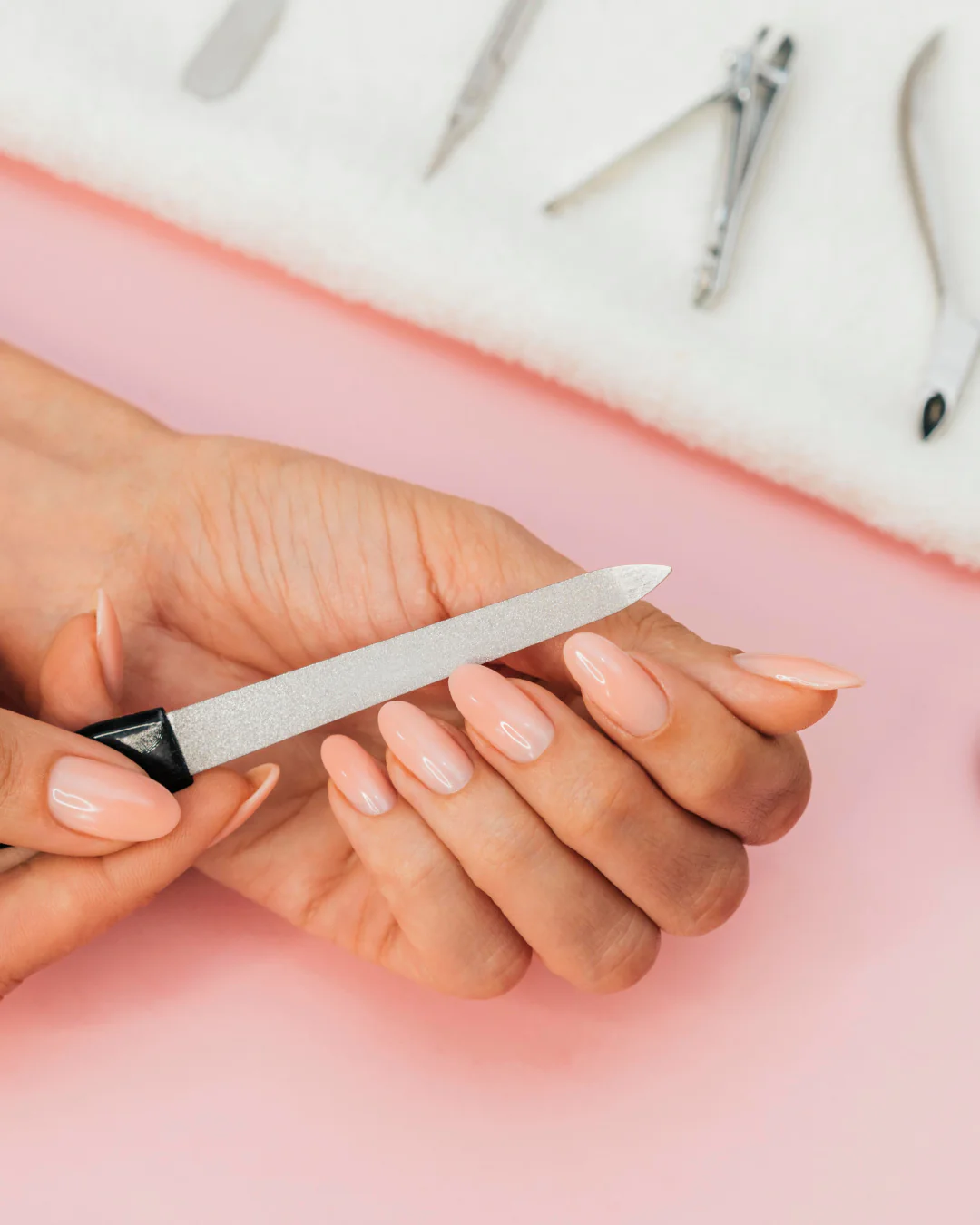
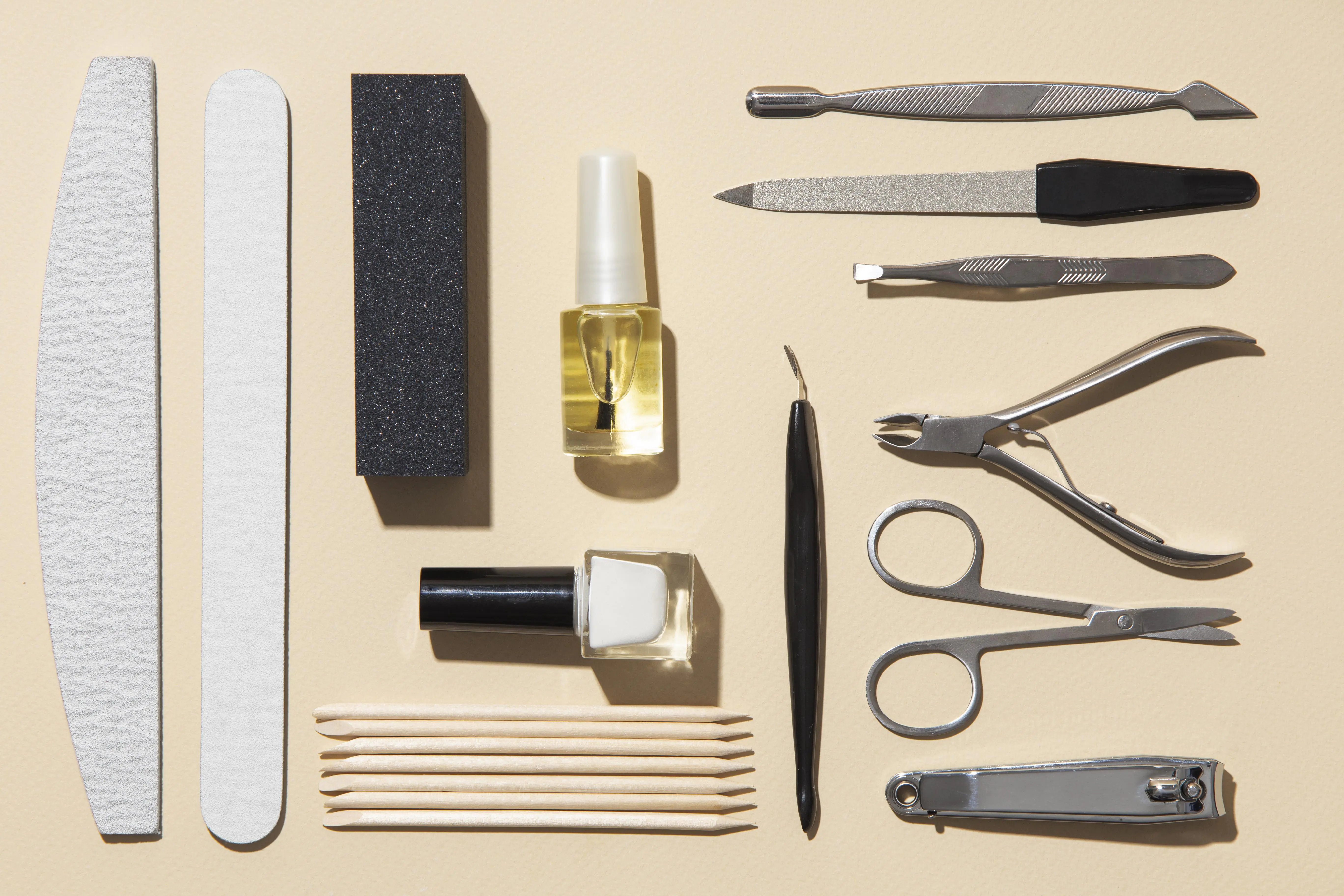
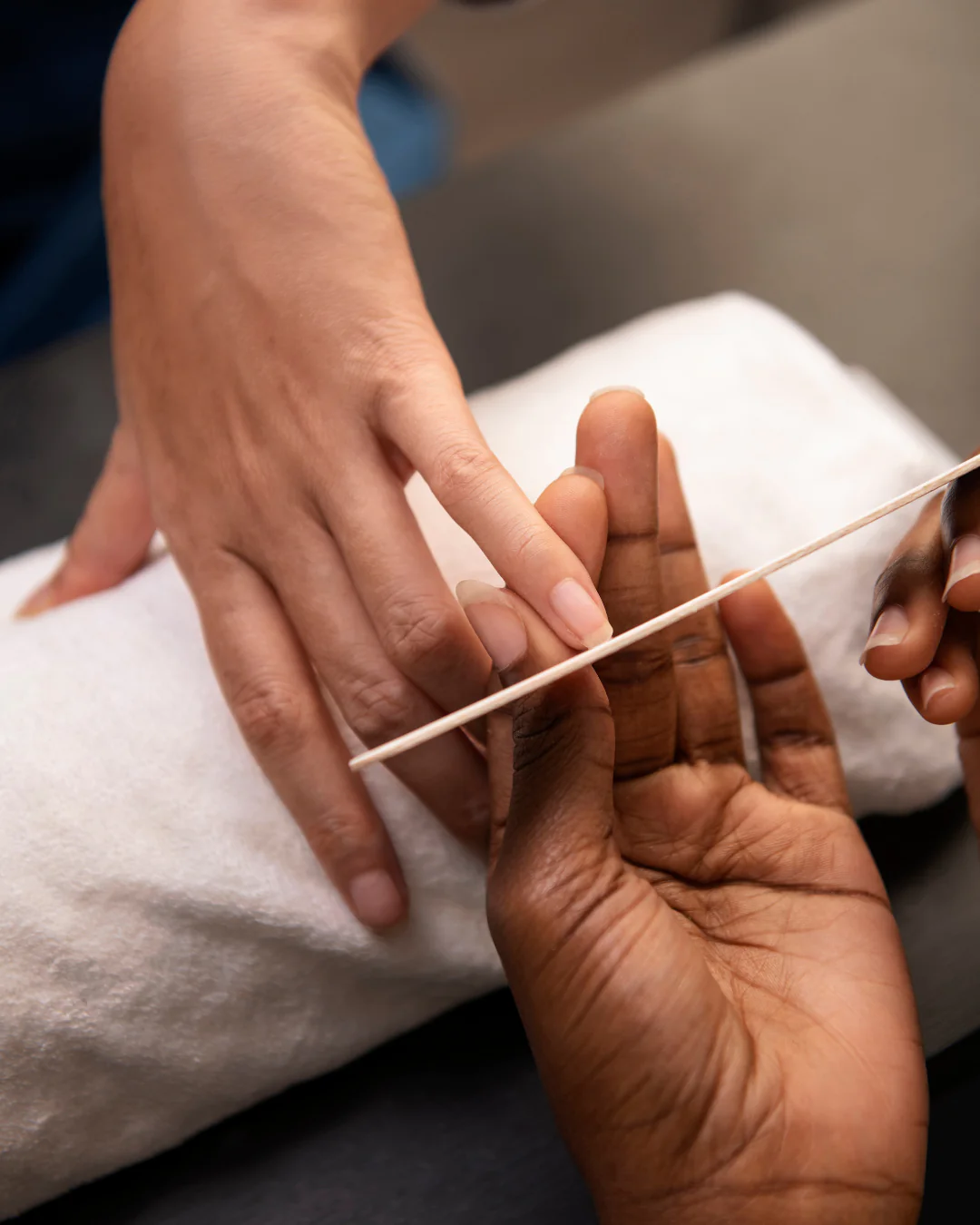
Tools matter more than most routines acknowledge. A good nail file, a quality cuticle pusher, and a reliable pair of nail clippers create cleaner, more controlled results than worn-out or cheap alternatives that tear rather than shape. Investing in a small, well-chosen set of tools and maintaining them properly is one of the simplest upgrades available in nail care.
Clean tools after every use to prevent bacterial buildup that can transfer to the nail bed during shaping or cuticle work. Replace files when the surface becomes smooth and ineffective, as a dull file requires more pressure and creates more friction than a fresh one. The quality and condition of your tools often determine the difference between a precise, even nail shape and a rough, uneven one.
11. Consistency Over Perfection
The most effective nail care routine is the one you can actually sustain week to week. A simplified, reliable system consistently outperforms an elaborate one that you abandon after the first few days. Healthy, strong nails are built through accumulated small habits, not through occasional intensive sessions that correct weeks of neglect.
Edit your routine toward what you genuinely reach for rather than what fills a shelf. Keep your essential products accessible so using them feels effortless rather than deliberate. Focus on the habits that best suit your nail type and build from there. Progress is always more useful than perfection as a standard.
12. Bottom Line
The most enduring principle in nail care remains the same regardless of what shades or finishes are trending: none of it holds if the foundation underneath is not healthy. Nails that are consistently hydrated, shaped with intention, and protected from daily damage project a level of refinement that no color or design can manufacture on its own.
The practical version of this approach is editing your routine toward simplicity and sustainability. Ignore what requires constant upkeep and focus on what actually strengthens and protects. Avoid the steps that don’t align with your lifestyle and concentrate on those that yield noticeable results. Understanding the foundation is essential for your nails. How you care for them there is entirely yours.