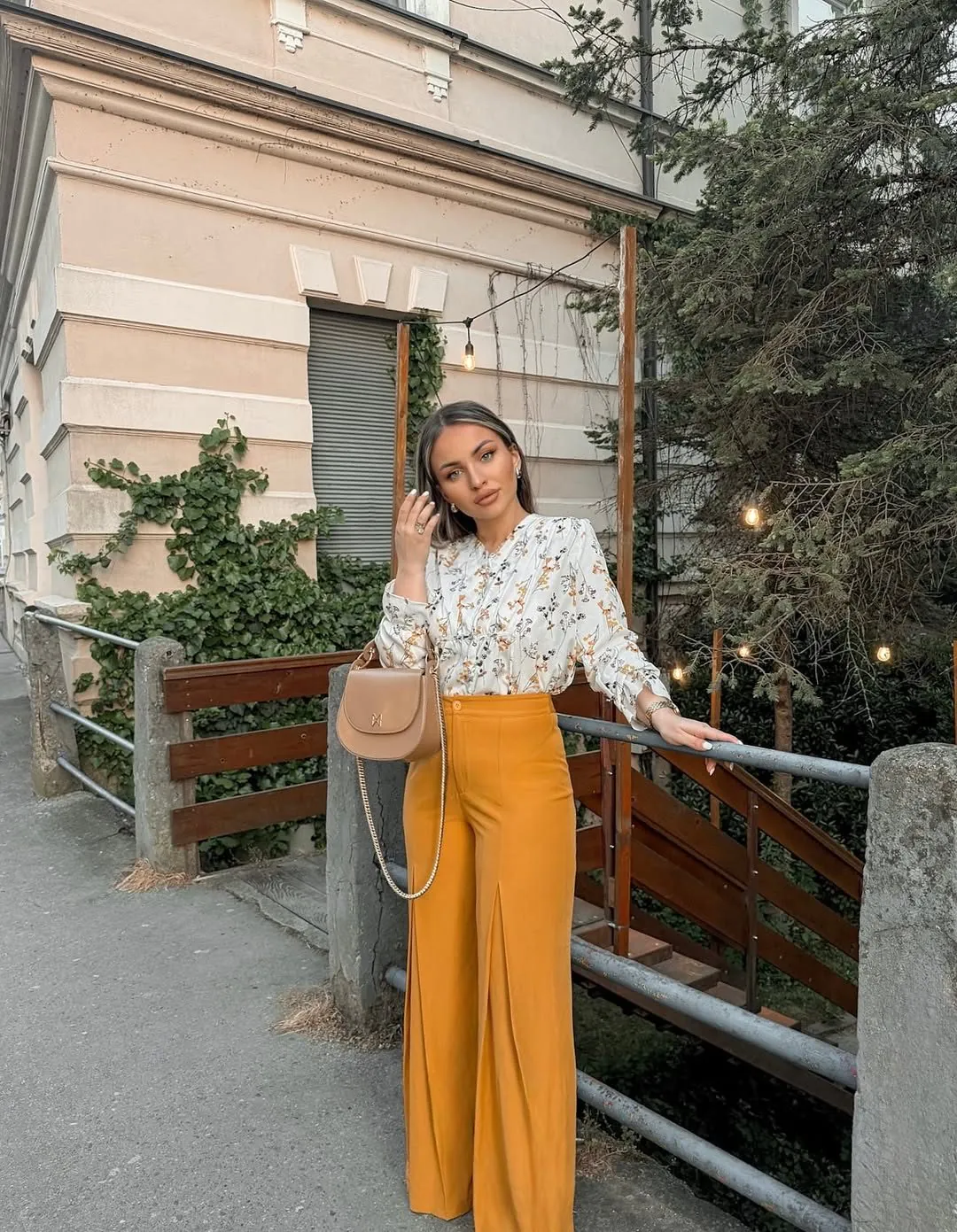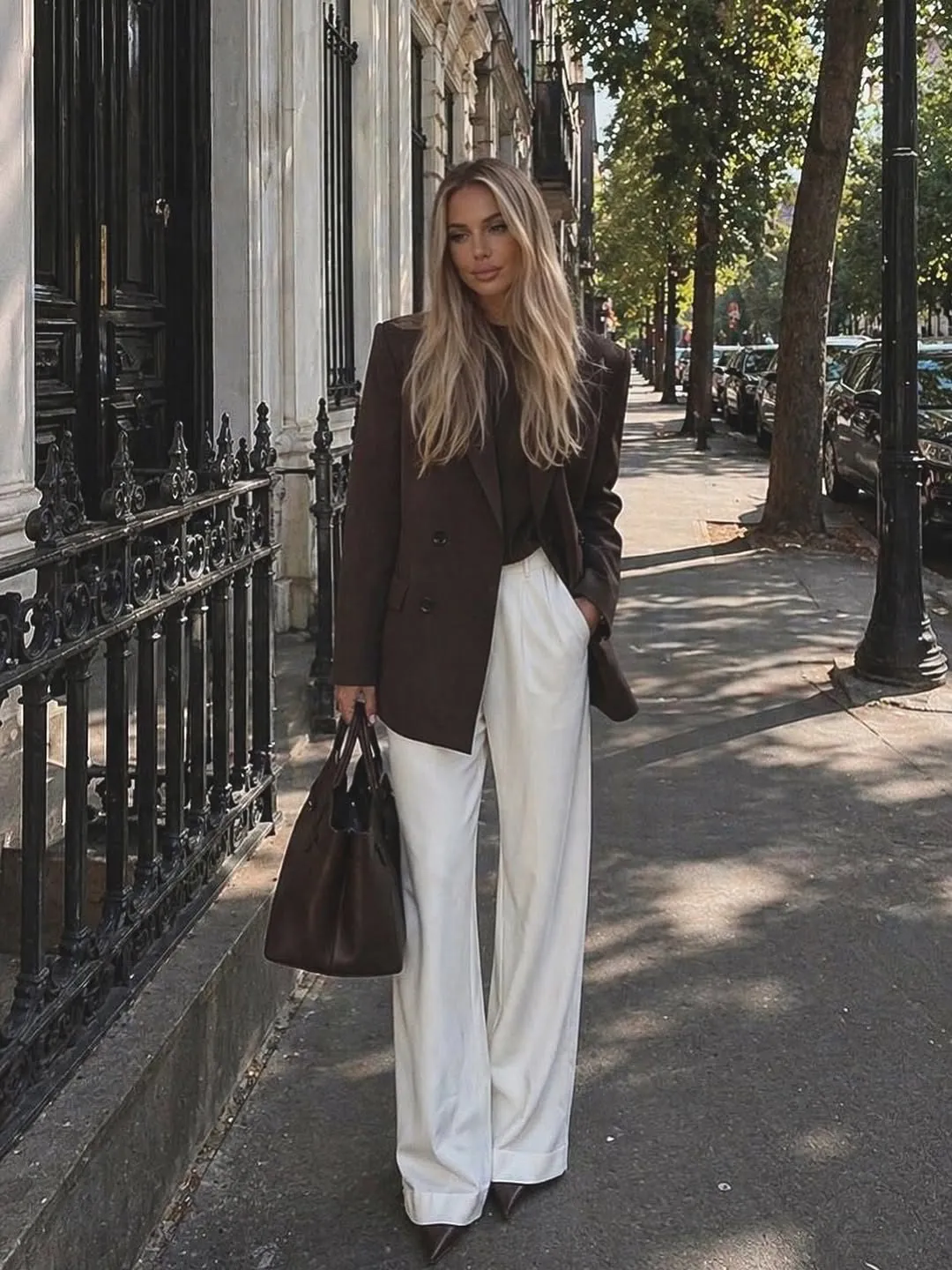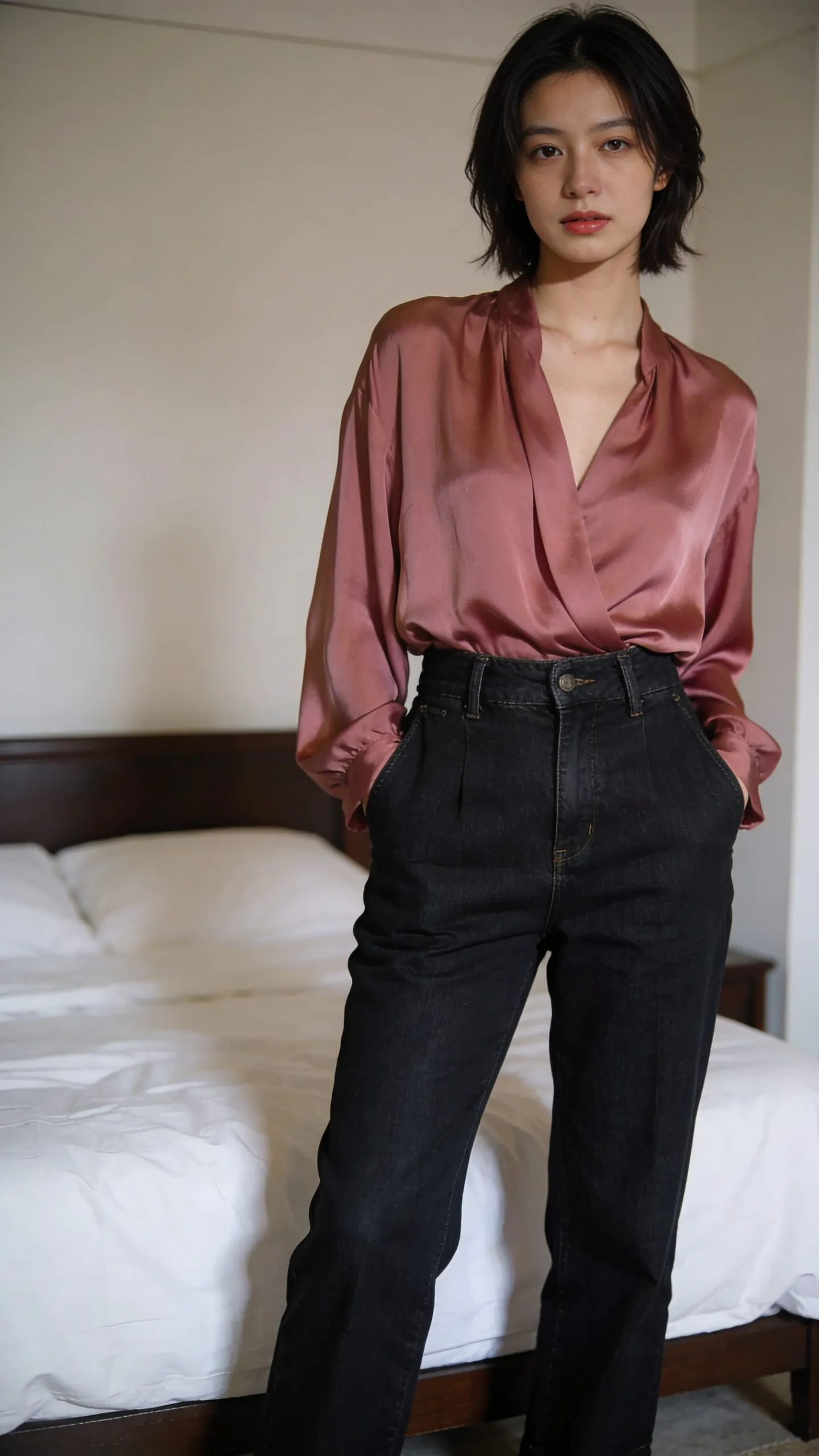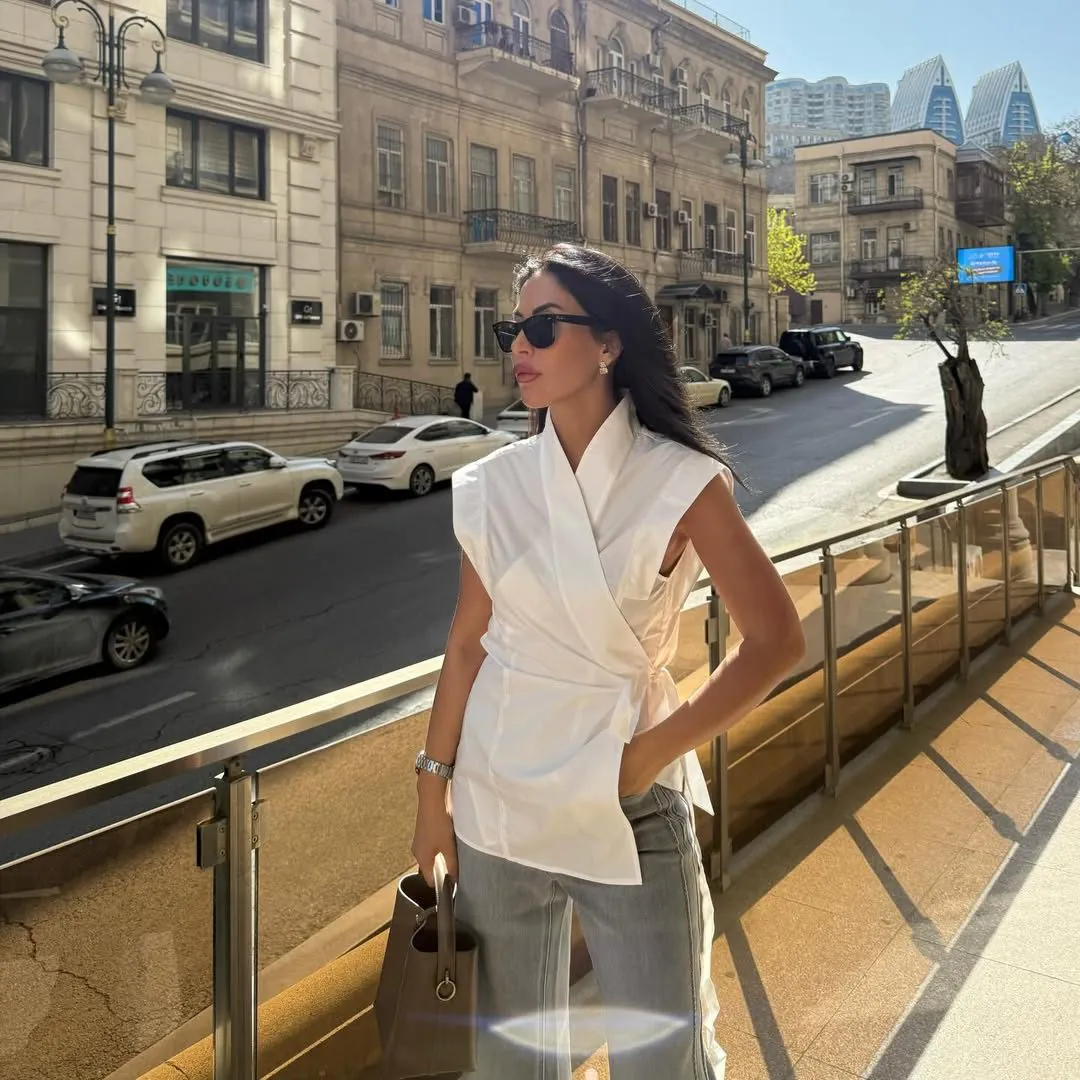
Long hair offers more options than any other length, which is precisely why it can feel overwhelming. The styles that work best are the ones that suit the occasion, require minimal fuss to maintain, and look like a deliberate choice rather than a default. Here are ten that are worth having in your repertoire.
Sleek Straight Hair
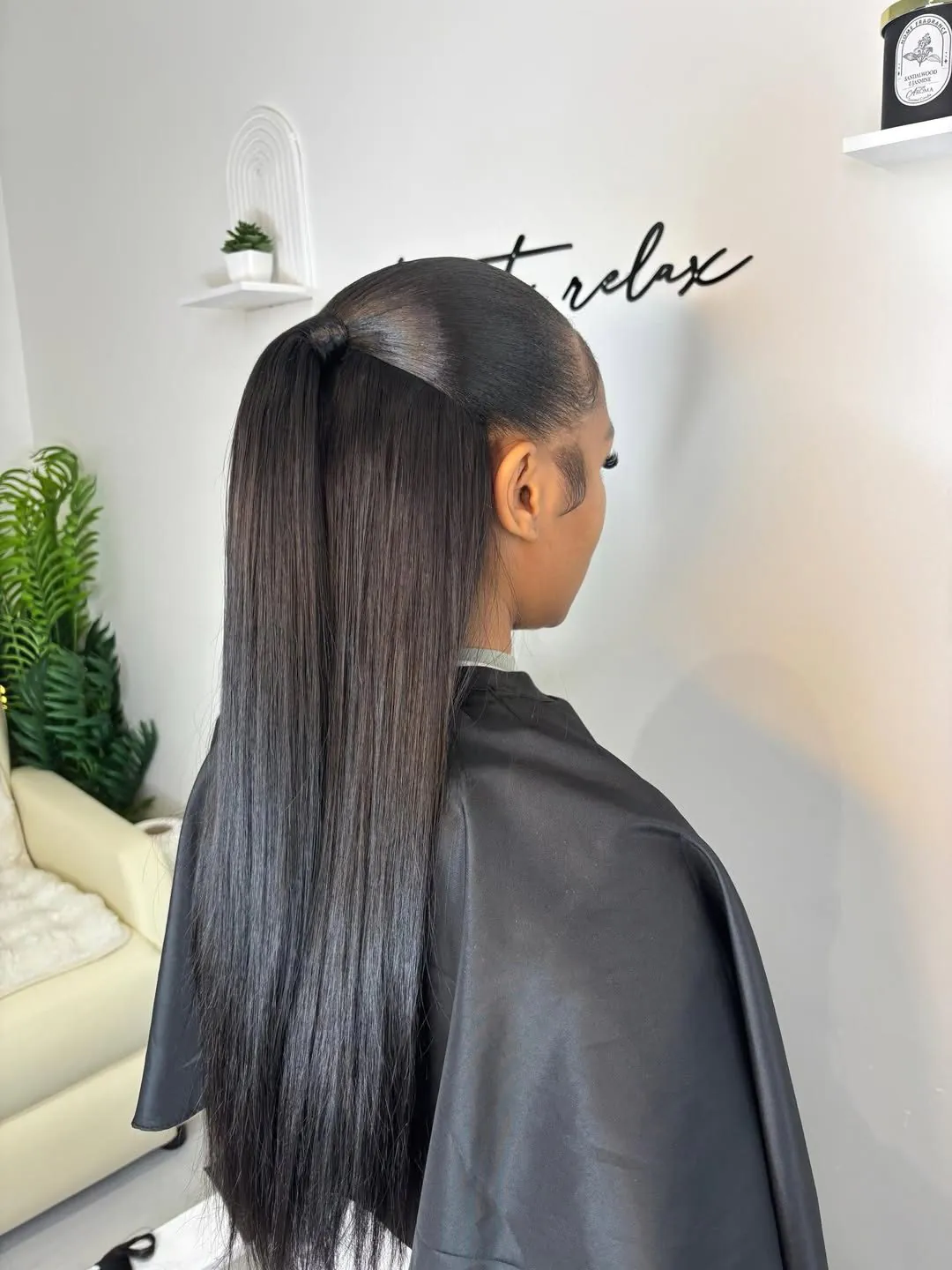
Straight hair on long lengths reads as polished and quietly sophisticated when it’s done properly. Apply a heat protectant before flat ironing. Keep the ends blunt for a clean, ultra-refined finish. Run a shine serum through the lengths once you’re done for a mirror-like result that looks healthy rather than processed. This style pairs with almost everything and works as well in a professional setting as it does for an evening out.
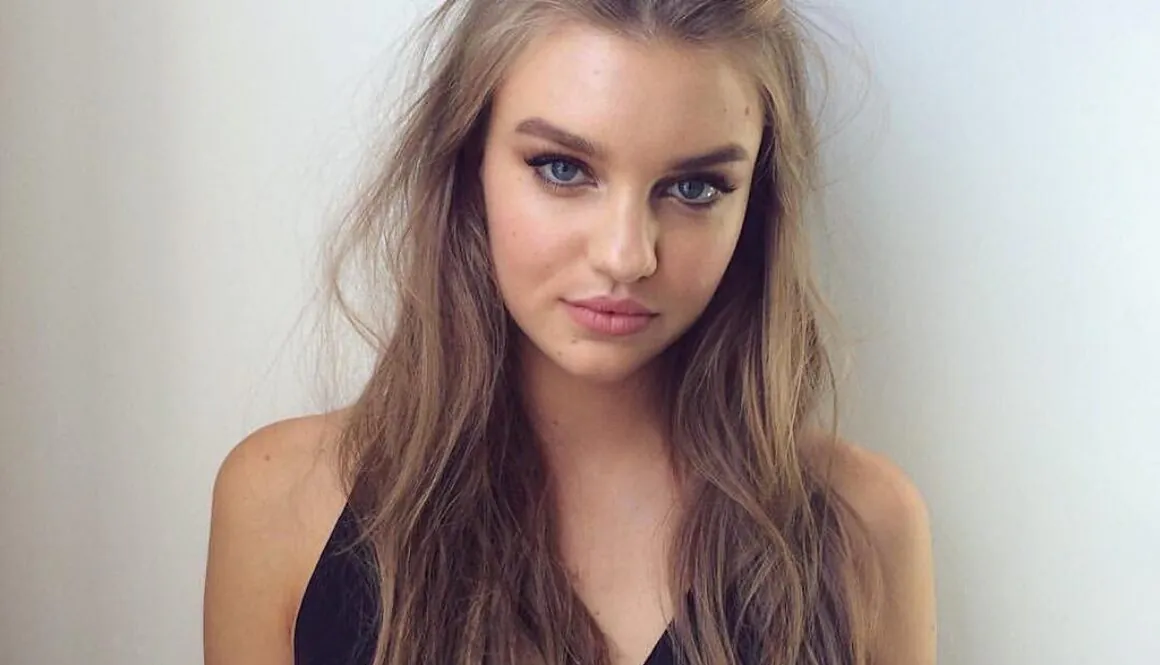
Beachy waves are one of the most versatile long hairstyles because the finish adapts to the occasion. Apply a salt spray or texturizing mousse to damp hair, then scrunch from mid-lengths to ends. A diffuser maintains the texture without creating a uniform blowout. For more control, wrap random sections around a curling wand and leave the ends untouched. Finish with a light-hold spray. The effect should look relaxed and lived-in rather than set.
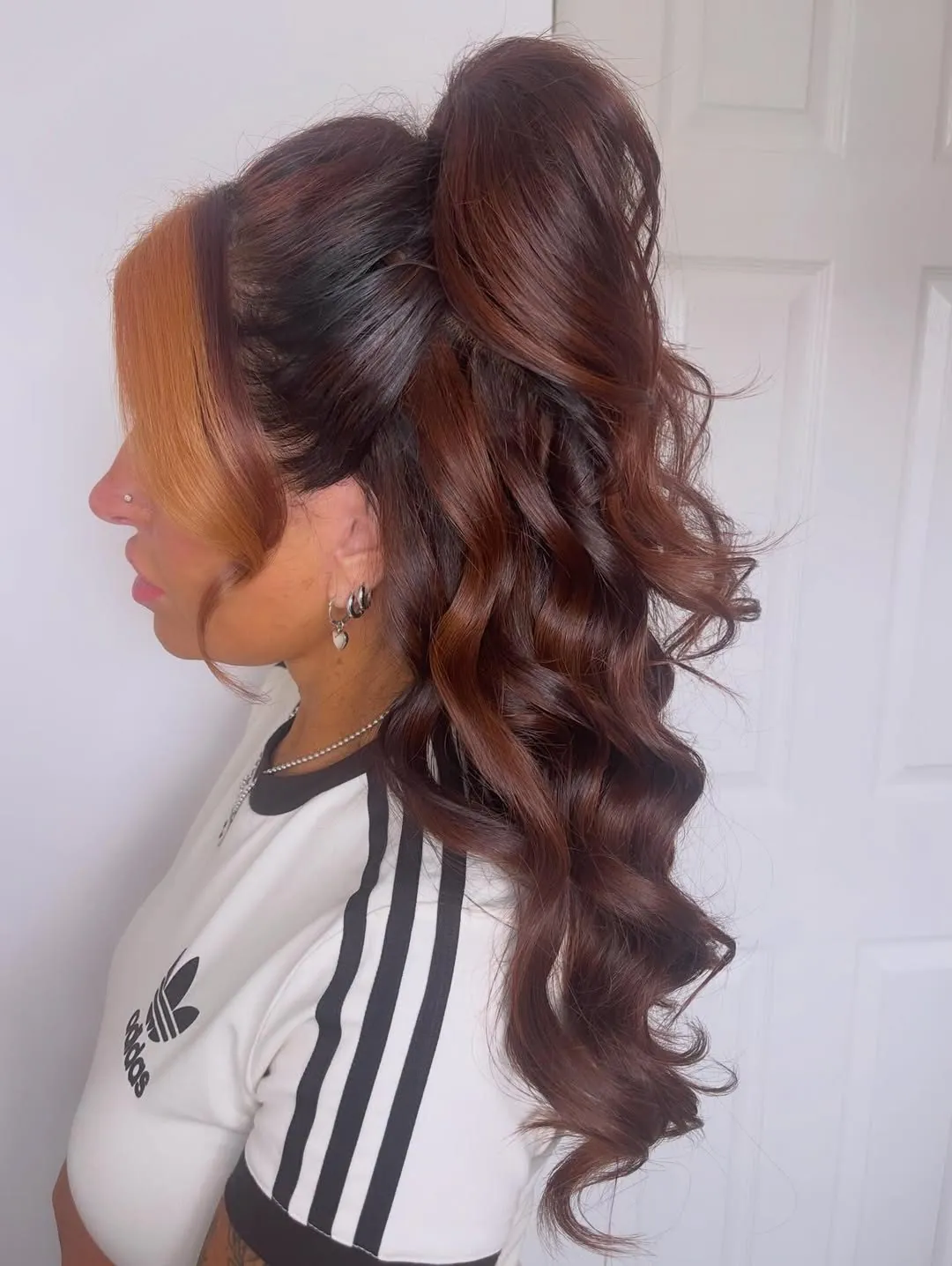
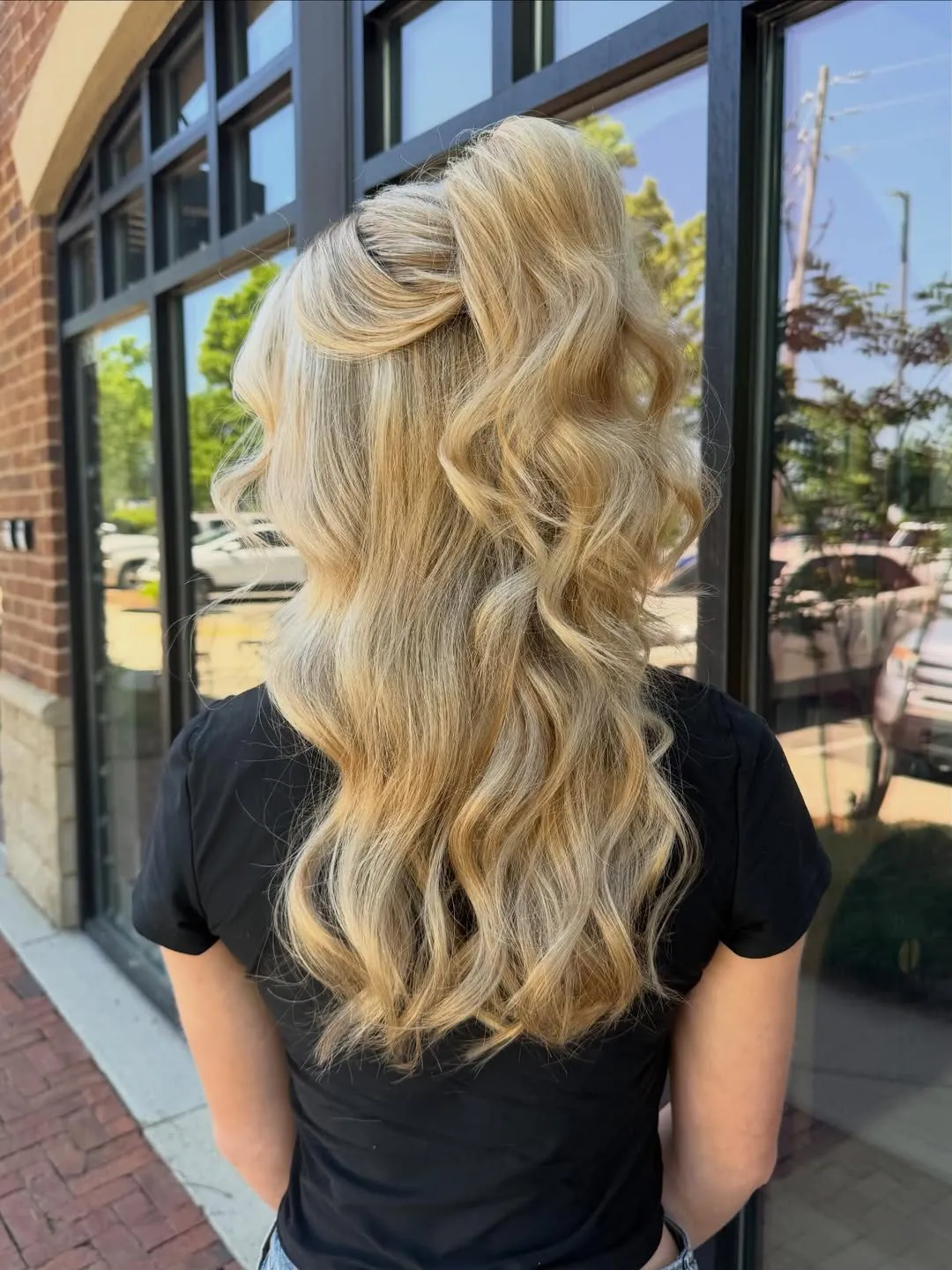
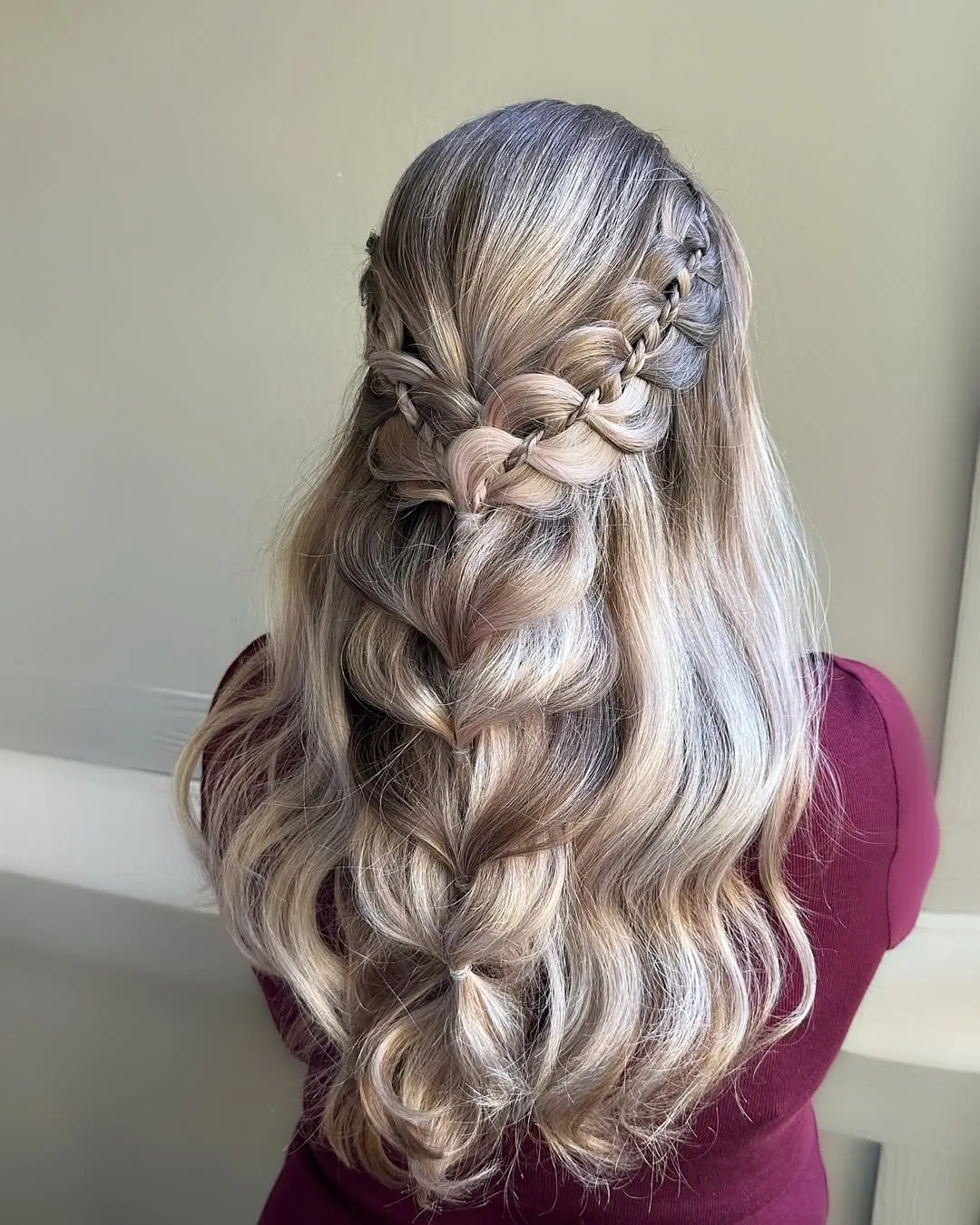
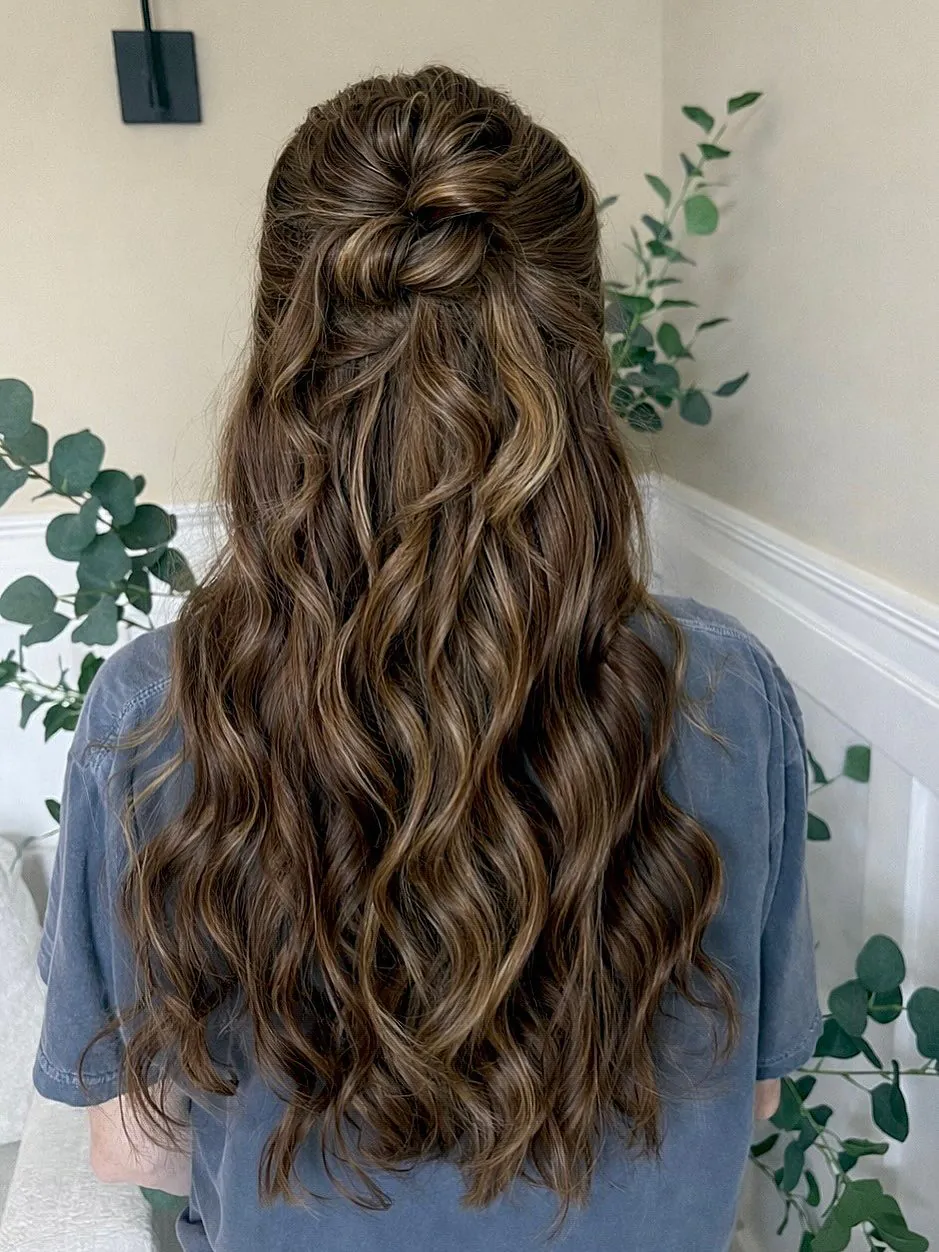
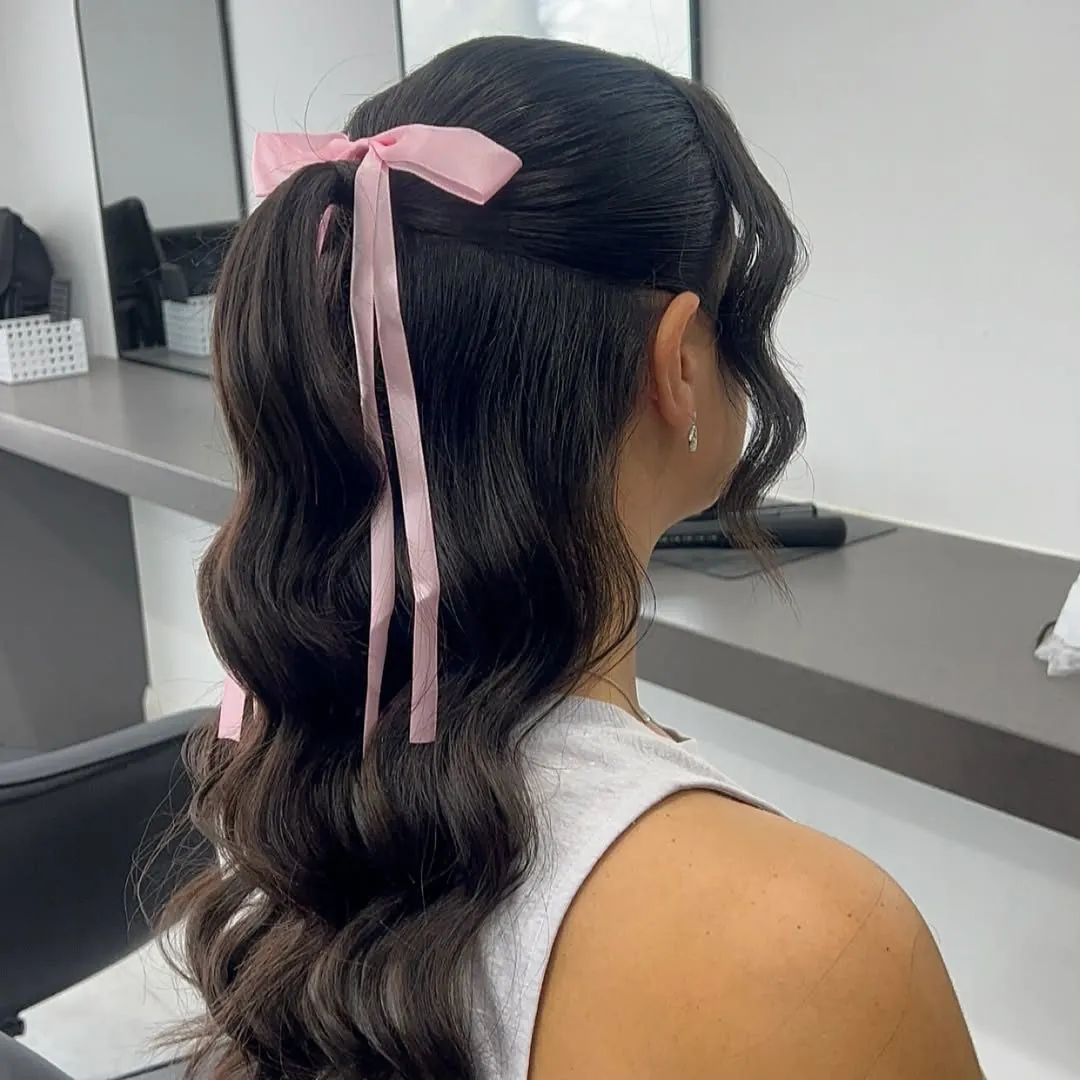
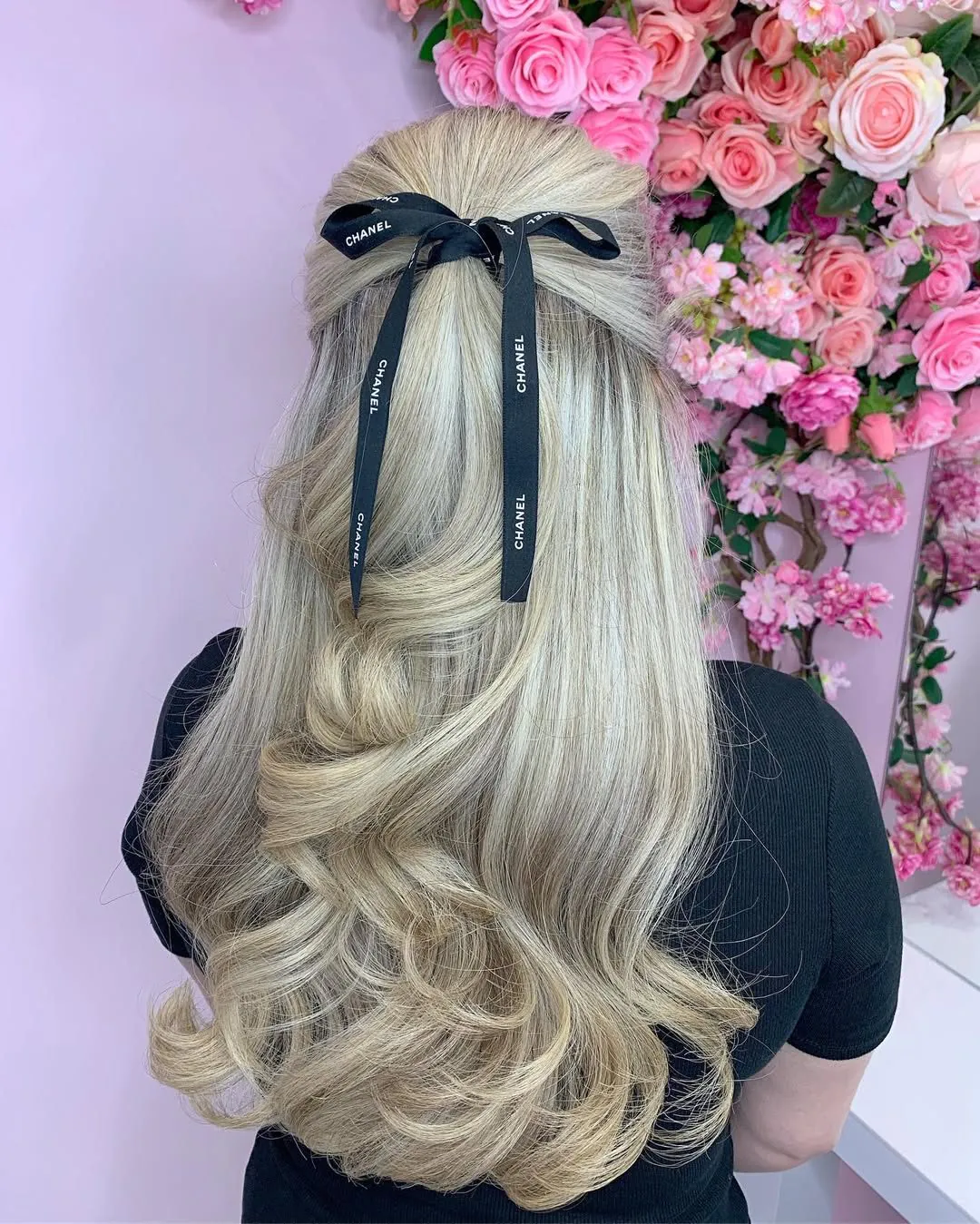
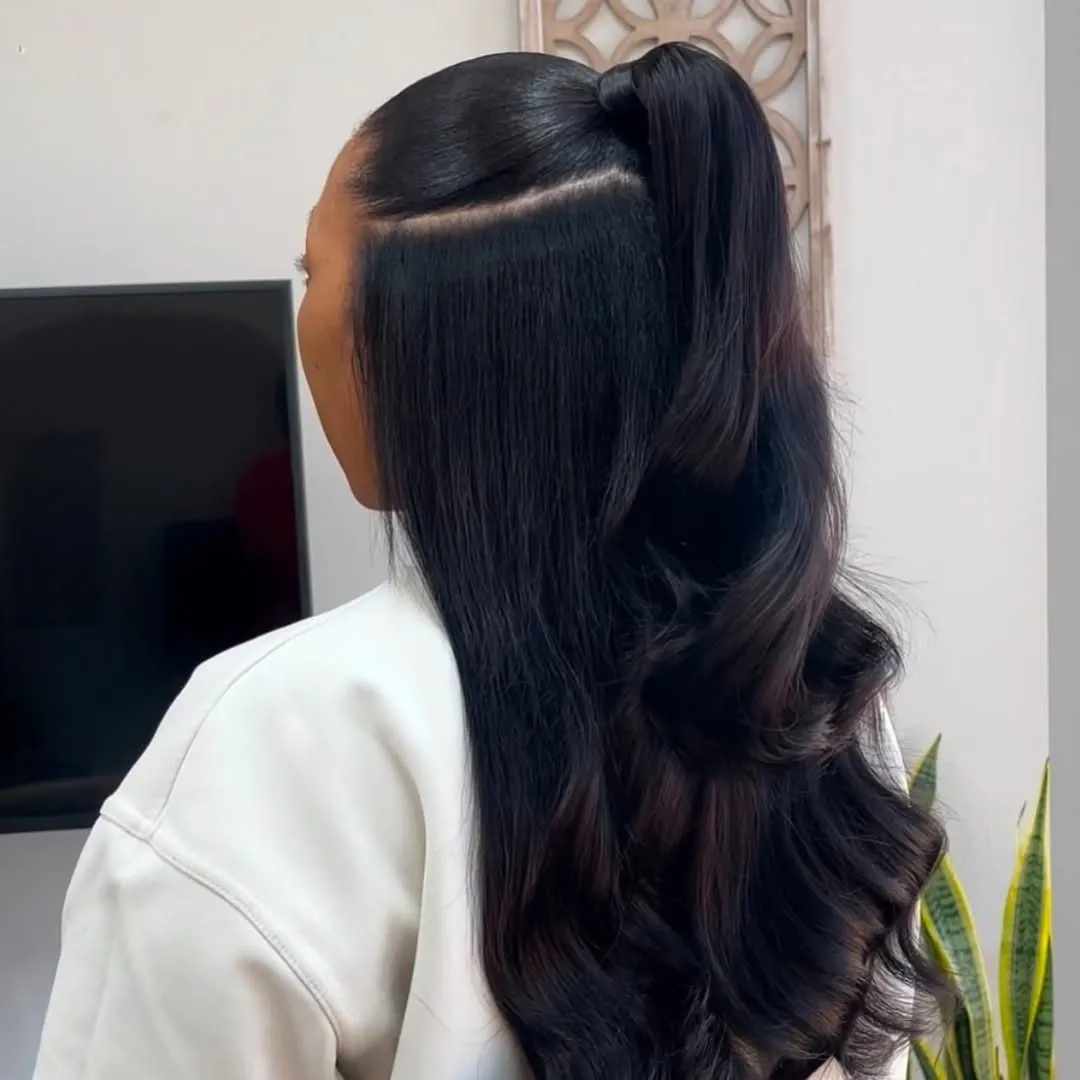
This style earns its popularity because it does two things at once. This style keeps hair off the face while still showcasing its length. A high half-up ponytail with a knit and loafers reads as casually chic. A twisted half-up with delicate pins alongside a midi dress adds romance. A braided half-up style suits festival dressing and adds structure to loose waves. The version you choose depends entirely on the occasion, which is what makes it so useful.
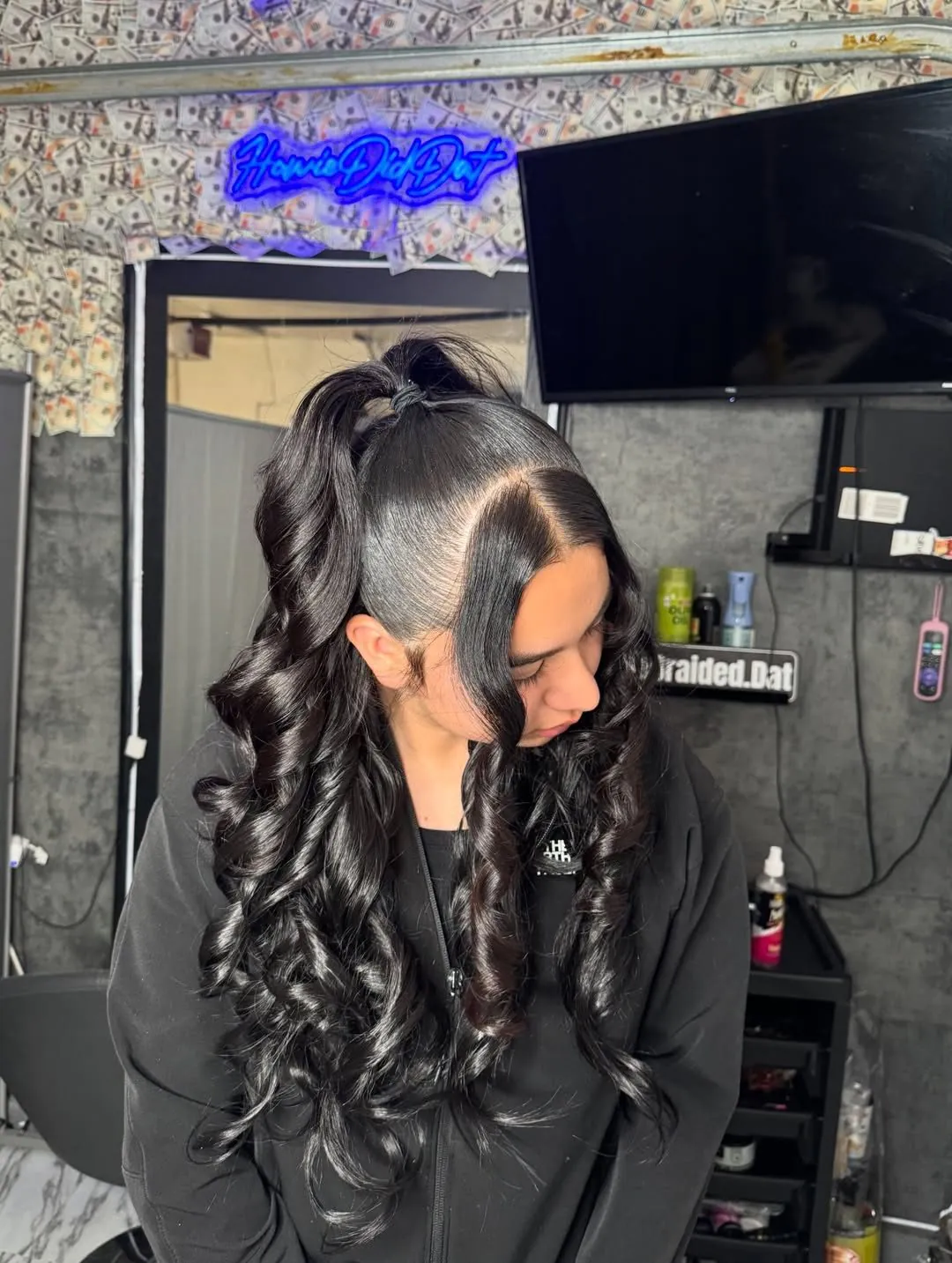
A high ponytail done well is one of the most impactful quick styles for long hair. Wrap a small section around the base to conceal the elastic. Use a light hairspray to tame flyaways without adding stiffness. The modern approach leans high and slightly voluminous rather than tight and slicked back. Avoid harsh gel and low placements. Both age the style considerably.
Long hair and braids work together naturally, and the styling opportunity changes with the occasion. A simple side braid alongside an off-shoulder top and boots suits casual outings effortlessly. A French braid crown complements flowy fabrics and works well for garden events and weddings. A messy fishtail braid adds texture to a more relaxed look. Add a light hair oil before braiding to manage frizz. Start from the mid-length for softer volume rather than a tight, structured result.
The messy bun works because it looks considered without requiring much effort. The key is balance. Too tight, and it looks severe. Too loose, and it looks unfinished. Twist the hair up, secure with pins, and leave a few strands to frame the face. Those loose pieces soften the whole look and prevent it from appearing too polished or too casual. This hairstyle is the reliable choice for long days and last-minute moments.
The low chignon is the most elegant option in the long hair lineup. It is suitable for formal occasions and evening dressing without requiring a salon visit. Tuck the ends neatly and secure with discreet pins. The modern version is slightly undone rather than severely slicked back. A few soft strands left at the face create the right balance between traditional elegance and relaxed sophistication.
Layers change what long hair can do. They highlight facial features, add volume at the lengths, and prevent the hair from sitting flat. A lightweight styling cream controls frizz without weighing anything down. Face-framing pieces can be styled straight or with soft waves depending on the mood of the outfit. Layers perform well in every season. They stop hair from flattening under winter hats and add effortless movement in summer.
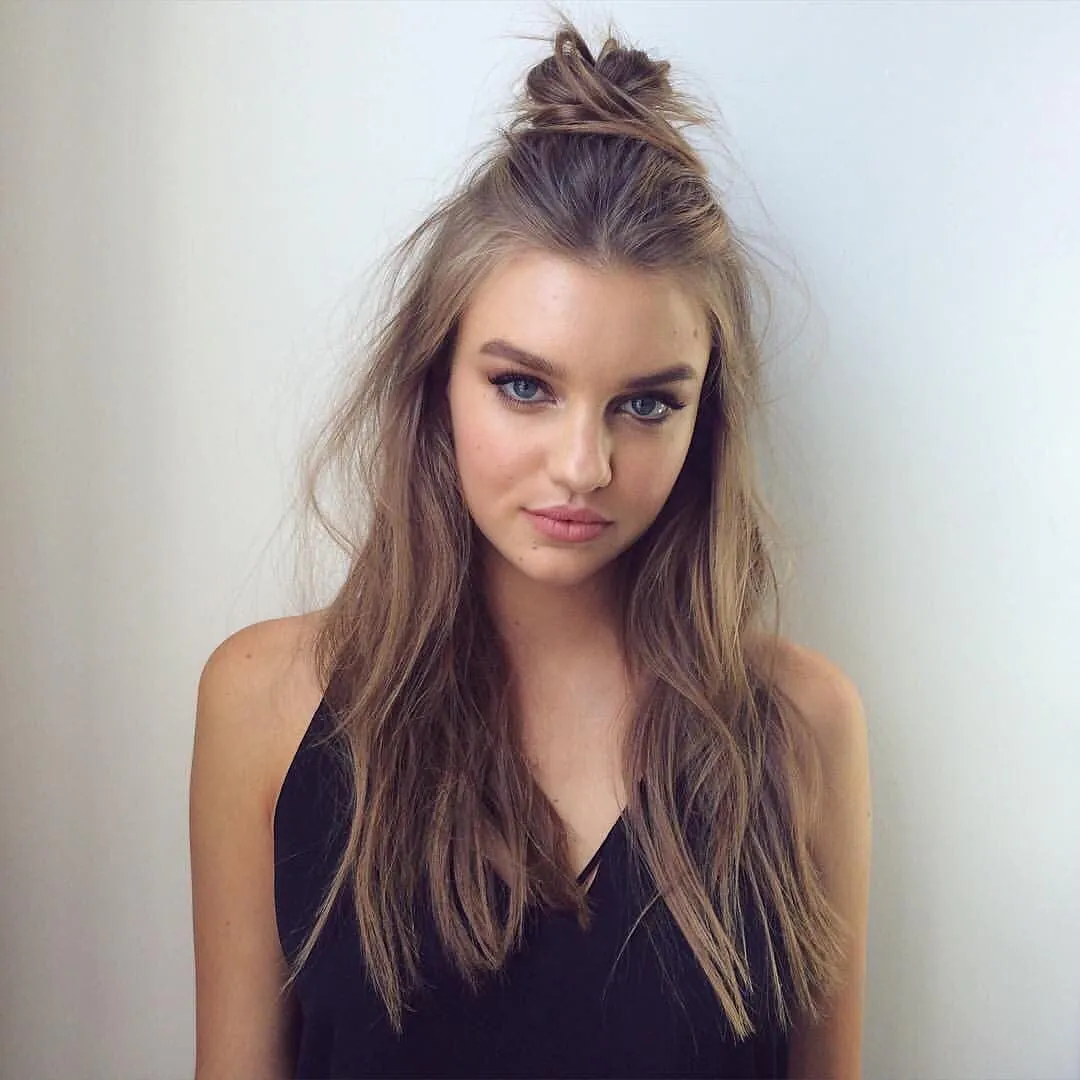
The topknot is high-impact with minimal effort, which makes it one of the most practical styles for long hair. Pull the hair up loosely rather than tight to maintain volume and softness. Wrap a few strands around the base to frame the face and add a considered finish. It elevates athleisure outfits during the day and pairs with sleek evening wear just as easily. The looseness is what keeps it looking current rather than dated.
Adding a fringe to long hair changes everything about how the length reads. Curtain bangs frame the face softly and suit most textures. Blunt bangs add structure and a fashion-forward edge. Wispy bangs offer the lightest commitment and work well for anyone wanting to try the look without fully committing. The right fringe choice depends on face shape and hair texture, but the general effect is the same: it modernizes long hair and adds a focal point that styling alone can’t create.
“This post contains affiliate links. I may earn a small commission if you purchase through my links at no extra cost to you.”
Spring is the most natural reset a manicure can get. The wardrobe lightens, the mood shifts, and nails that still feel winter-coded start to look out of place. The season isn’t about chasing every trend. It’s about knowing which styles are worth committing to and how to wear them well. Here’s everything worth knowing for the season.
1.French Tip Spring Nails
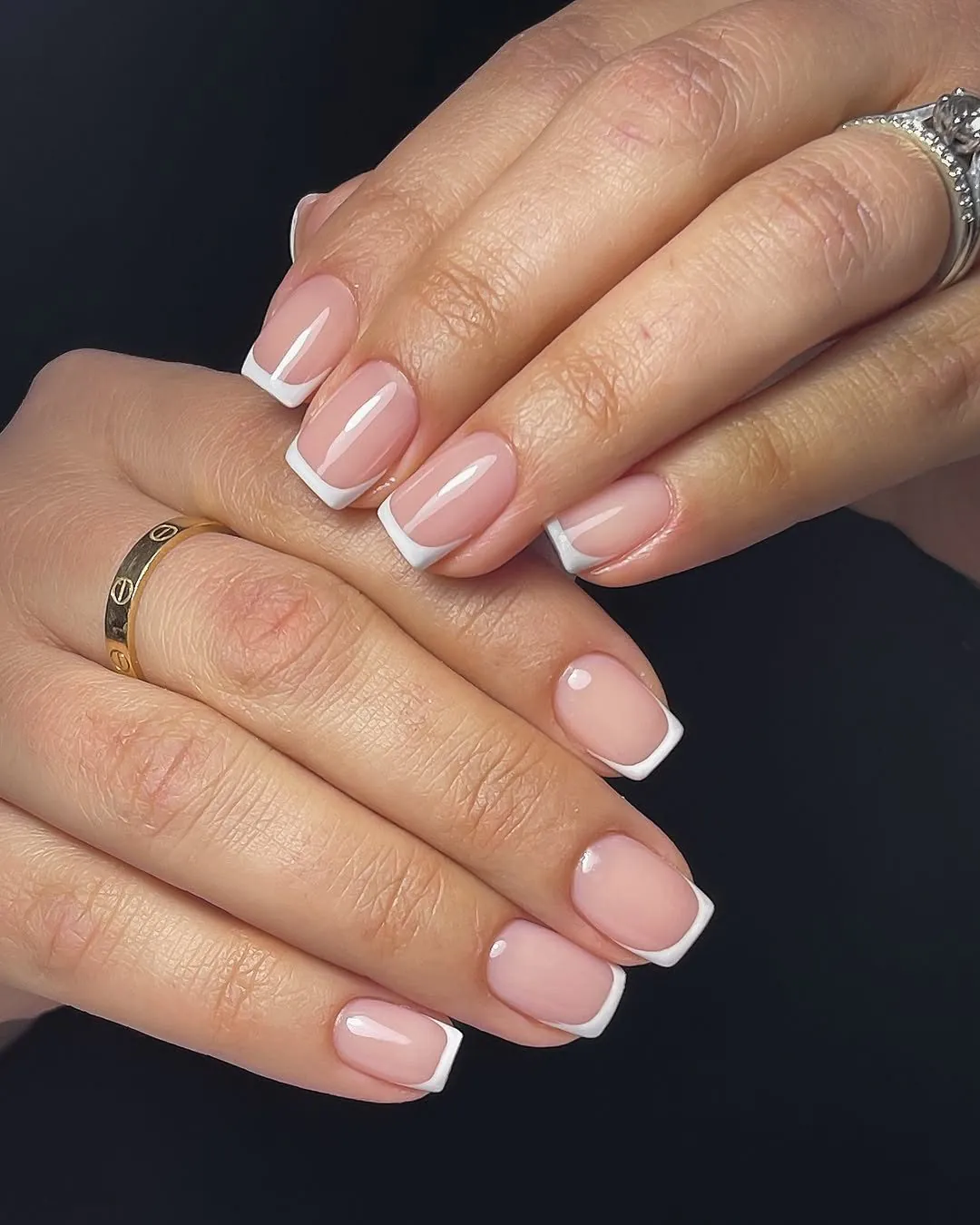
The French tip is back, but it’s been quietly refined. White tips and thick curved lines are gone. In their place: soft pastels in butter yellow, pistachio, or lilac, kept ultra-thin and precise. Square or soft almond shapes look freshest right now. The whole effect should feel light and intentional rather than bridal or retro. It pairs naturally with linen trousers, silk tanks, and crisp button-downs. Anything too heavy or high-contrast misses the point entirely.
Pastels can go wrong quickly if the shade or finish is incorrect. The version worth wearing this spring is milky rather than opaque: soft mint, baby blue, and blush in glossy or sheer finishes. Keep the length short to medium for a polished effect. These tones sit best alongside neutral outfits and soft textures like cashmere, cotton poplin, and satin. Neon pastels and overly saturated formulas look cheap regardless of the shape or finish underneath.
Florals work in spring when they’re restrained. Microfloral patterns on a clear or nude base in white, taupe, or soft pink add charm without tipping into anything seasonal or costume-like. The key is keeping the artwork small and the base clean. One or two accented nails against a simple neutral make more impact than florals across every finger.
Sheer nudes, soft beiges, and barely-there pinks remain one of the most consistently elegant choices across every season. Spring is no exception. Rounded or short square shapes keep the look contemporary. A high-shine top coat is essential. It lifts the entire aesthetic from plain to polished and ensures these understated tones look deliberate rather than unfinished.
Ballet pink, rose blush, and strawberry-milk tones have a timeless quality that earns their place every spring. Keep nail art minimal or skip it entirely. Almond or oval shapes add elegance and complement the softness of the shade. This nail idea is the style that works as well at a spring wedding as it does on an ordinary Tuesday.
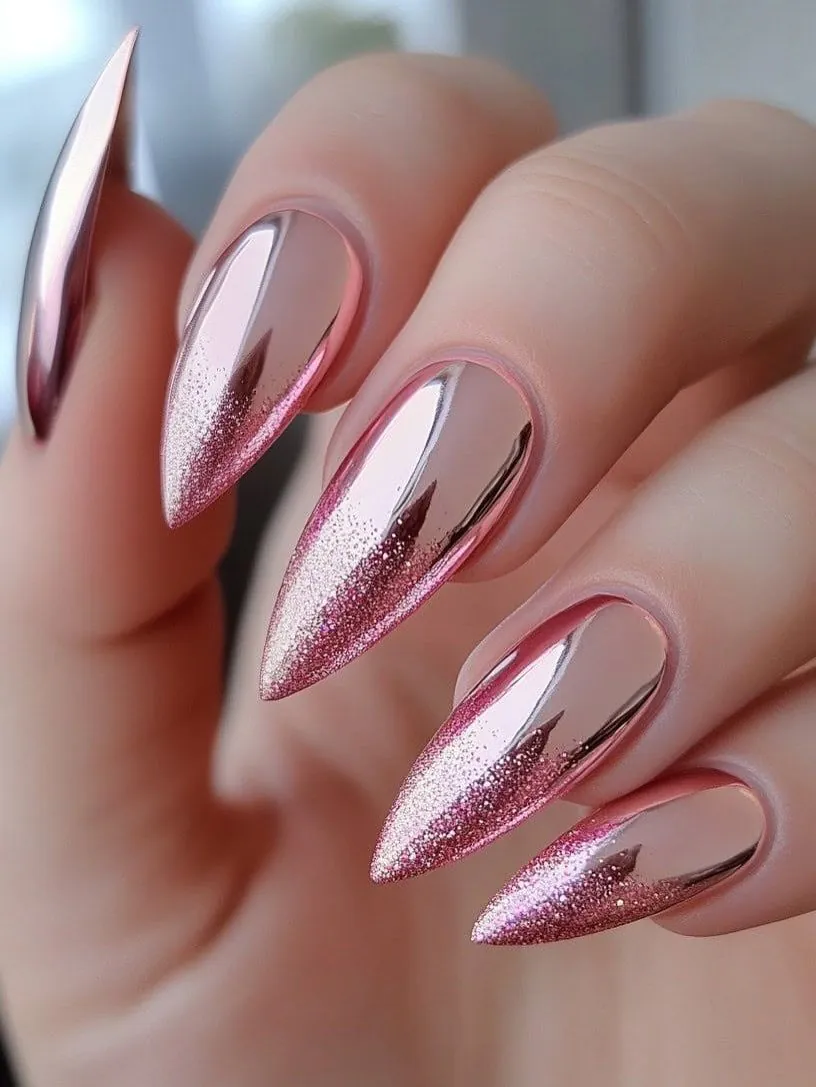
Chrome has softened for spring. Pearl chrome over a nude or pink base, champagne, and soft gold tones are the finishes worth trying. They elevate simple outfits quietly: a white tank, a leather bag, and relaxed denim. Keep the length short and avoid heavy mirror chrome, which feels dated outside of an editorial context. The restraint is what makes it work.
Muted greens have found a permanent place in the understated nail conversation. Sage, pistachio, and soft olive pair beautifully with beige, white, and denim without demanding attention. These are tones that add something to an outfit rather than competing with it. A glossy finish keeps them feeling current.
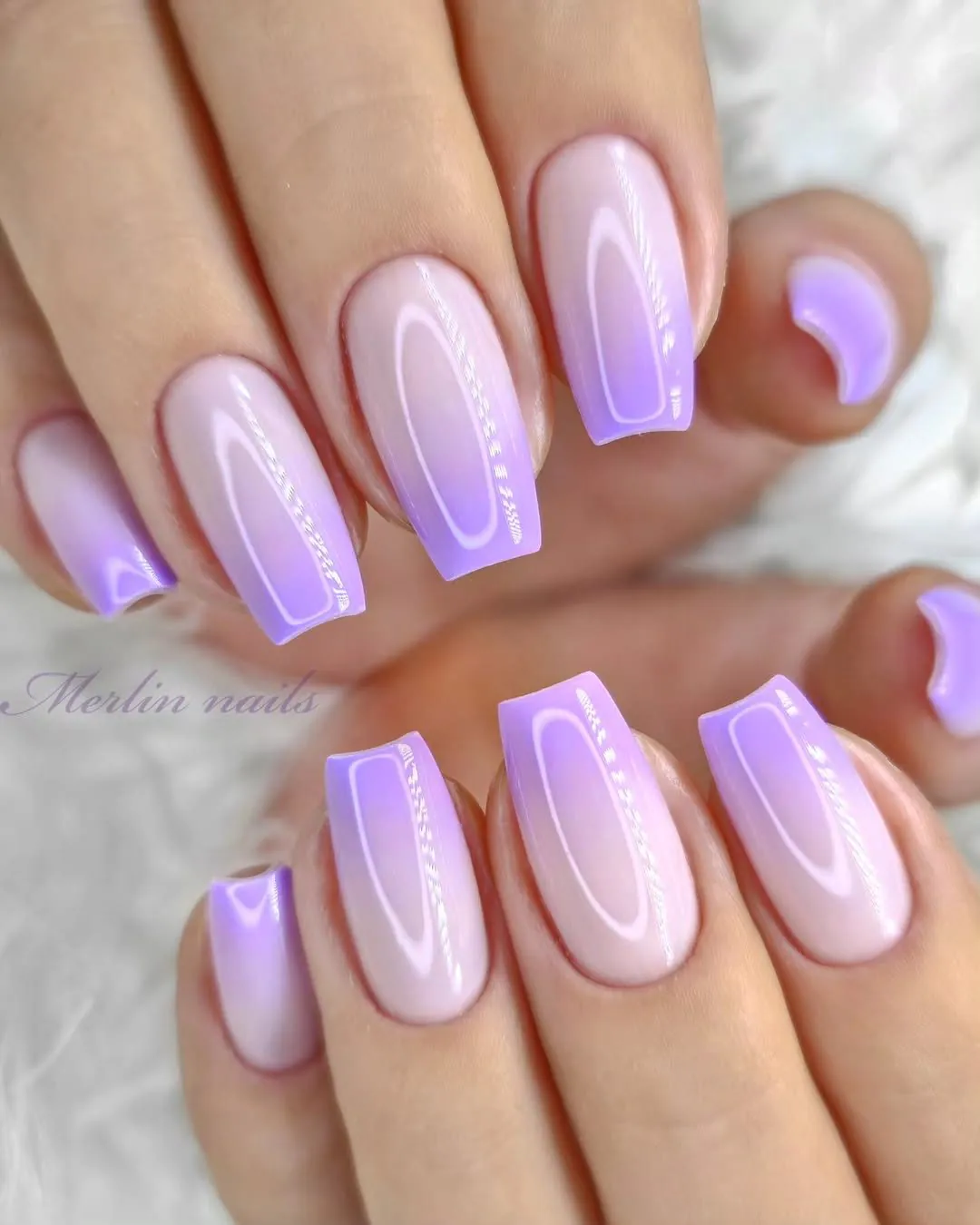
Spring ombre works when the transition is subtle. Pink to white, nude to peach, or blush to cream are the gradients worth trying. The delicacy of the shift is what makes it feel seasonal and modern rather than dramatic. It’s a style that reads as considered without requiring complex nail art skills to execute.
Milky white is the most quietly versatile nail of the season. The translucent finish with a high-gloss top coat creates a clean, polished result that works with everything. Almond or rounded shapes complement it best. It photographs well, grows out gracefully, and manages to look intentional at every length. If there’s one spring nail to default to, the almond shape is a strong argument for it.
Short nails look sharper this spring than they have in years. Rounded or soft square shapes in soft pastels, butter yellow, or peach feel fresh and modern rather than minimal by default. A high-shine topcoat makes all the difference. Well-maintained short nails consistently look more deliberate than longer nails that aren’t properly kept. The shape and the finish matter more than the length.
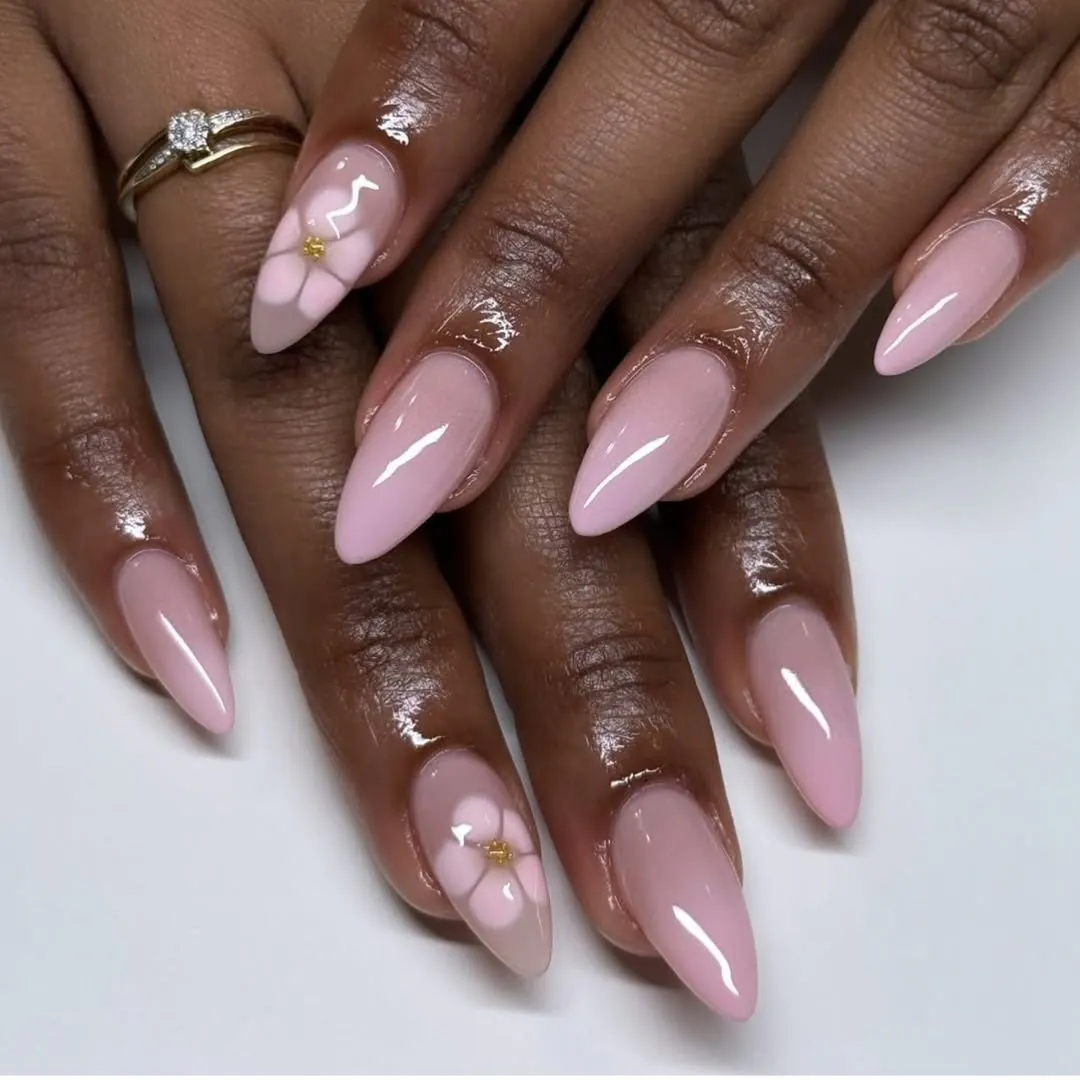
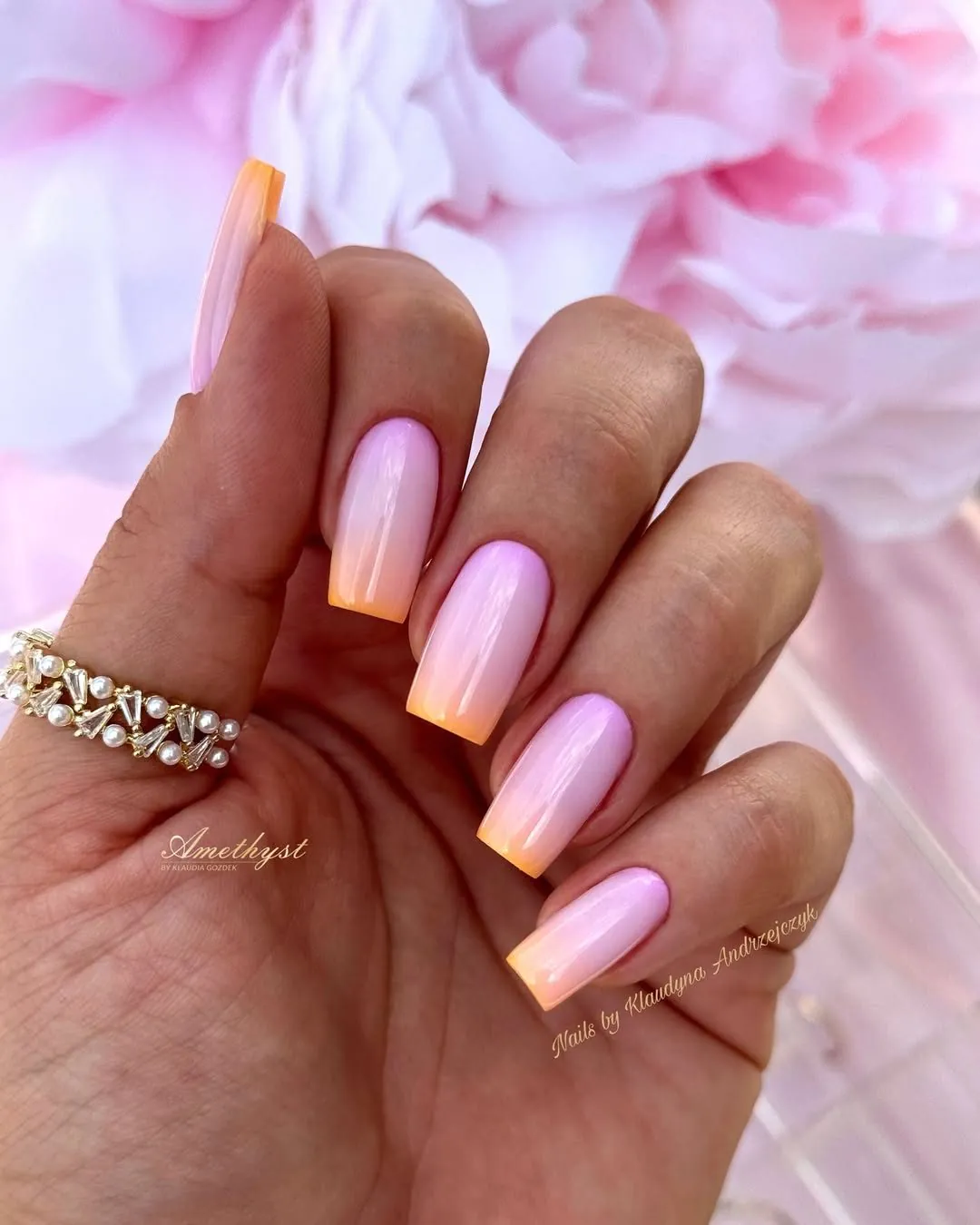
A single fine line, a small abstract shape, or a negative space detail on a neutral base is all the nail art spring requires. The restraint is what elevates it. As soon as the design becomes busy or uses multiple elements, the effect changes entirely. One detail considered against a clean background always appears more sophisticated than a fully decorated nail.
Soft powder blue, pale sky, and washed denim tones bring a calm, airy quality to a spring manicure. They sit naturally alongside relaxed denim and crisp white linen. A glossy finish keeps them from reading as flat. These are understated shades with a quiet confidence that suits the season’s general mood well.
A sheer nail with a glossy finish is the bare-but-better approach: it enhances the natural nail rather than covering it. The effect is effortless sophistication that requires almost no upkeep and suits every skin tone. It’s the lowest-commitment option on this list and one of the most consistently polished.
Yellow works in spring when the shade is creamy rather than neon and the finish is glossy rather than chalky. Keep the length short to maintain elegance. These tones sit well alongside denim, white dresses, and tan accessories, adding warmth without overwhelming the look. A creamy yellow in a high-shine finish is one of the more underrated spring choices available.
A single nail with delicate gold lines or subtle gold flakes on a sheer or nude base adds luxury without the commitment of a full metallic manicure. One accented nail against nine simple ones is more sophisticated than spreading the detail across every finger. Restraint is the entire point.
Before choosing a color, the shape sets the tone. Almond is elegant and refined. Soft Square is neat and clean. The short oval is equally versatile for both casual and formal settings. Getting the shape right makes every color and finish perform better. It’s the foundation the rest of the manicure builds on.
For weddings and formal spring events, sheer pinks, milky whites, and soft ombre designs maintain an elegant aesthetic without competing with the outfit. Minimal nail art or a single subtle embellishment adds individuality without distraction. The general principle is the same as the rest of the season: considered, restrained, and polished.
Short hair works because it commits. There’s no hiding behind length, no falling back on a default ponytail. What you have is the cut itself, and when it’s right, it elevates everything, making your overall appearance more polished and confident. Here are ten short styles worth knowing, with honest guidance on how to wear each one.
The Textured Bob
The textured bob is the most versatile entry point into short hair. It adds volume and movement without requiring long layers or serious upkeep. For a casual day, work a matte styling cream through damp hair and let it dry naturally. For the office, smooth and slightly wave it, then pair it with a blazer and tailored trousers. In the evening, slick your hair into a side part and let statement earrings do the rest. A texturizing spray at the roots adds lift for fine hair. Volumizing mousse works equally well. This cut suits most textures and looks fresh in every season.
The asymmetrical pixie is bold, face-framing, and immediately distinctive. It works equally well when styled sleek or tousled, depending on the occasion. Straighten and tuck behind one ear for a clean, minimal look with tailored pieces. Work in a small amount of wax and tousle for something more relaxed and textured. For formal occasions, keep it sleek and pair it with something sharp. This hairstyle is a cut that rewards confidence and reflects it back.
The Shaggy Short features choppy layers, relaxed movement, and a laid-back quality that suits both casual and dressed-up settings. The shag works by adding dimension that prevents short hair from sitting flat. Loose waves give it a weekend feel. More structured waves work for the office. Add a stronger product for defined waves with an evening edge. It’s one of the more adaptable shortcuts because the styling approach changes the mood entirely without requiring a different haircut.
The sleek and straight hairstyle is clean, polished, and quietly sophisticated. This style suits work environments and formal occasions naturally. Apply a heat protectant before flat ironing, then finish with a shine serum or glossing spray to enhance the sleekness. The result is a luminous, refined look that holds well and photographs cleanly. It’s a straightforward style that delivers consistently, which is its entire appeal.
Short curly hair has personality that longer styles often dilute. A moisturizing curl cream defines the texture and controls frizz without weighing anything down. Air-dry or use a diffuser rather than towel-drying. Either method preserves the natural shape and prevents unnecessary frizz. This approach works best for medium to tight curl patterns. Looser waves benefit from a lighter curl-enhancing cream. The goal is texture that looks deliberate and feels effortless.
Curtain bangs or a wispy fringe add softness and structure simultaneously. This combination works across face shapes and makes styling easier for fine or flat hair because the layers create natural movement. Texturizing spray at the roots prevents the hair from sitting heavy. Trim regularly, every four to six weeks at minimum, because this style loses its shape faster than most. Light layers are particularly flattering in warmer months.
The undercut is for people who want their hair to make a statement without saying much else. The contrast between the shaved or closely cut sections and the length on top creates an instant edge that’s difficult to replicate with any other style. It works best on medium to thick hair. This style requires a significant commitment, but it is truly distinctive.
Soft waves and a side part are one of those combinations that look effortlessly put together without requiring much effort to achieve. Apply a texturizing spray first, then use a curling wand on the mid-lengths and ends rather than the roots. Part to the side once the waves have set. Once set, the side part frames the face and adds a chic element that a center part doesn’t quite deliver in short hair. It suits a wide range of occasions and works with most short lengths, making it an ideal choice for both casual outings and formal events.
The faux hawk hairstyle’s versatility exceeds its reputation. A tousled faux hawk with a leather jacket and high-waist jeans is entirely wearable for casual days. Toned down with a tailored blazer and trousers, it reads as confident and considered rather than costume-like. Matte wax or pomade gives the hold it needs. Medium to thick hair handles this style best. It suits summer and works well for festival seasons and evenings out.
Highlights aren’t a style in themselves, but they change every short style they’re applied to. Face-framing highlights or subtle balayage add depth, soften features, and give the cut a more dynamic quality. The lighter shades create the appearance of texture even when the hair is otherwise simple. It works across every shortcut, from pixie to bob, and adds a modern polish that solid color doesn’t achieve in the same way.
Short hairstyles look their best with consistent maintenance. Trims every four to six weeks keep the shape sharp and prevent split ends from undermining the cut. The right products speed up daily styling: volumizing mousse for body, texturizing spray for tousled finishes, curl cream for natural texture, and matte wax for edges. If you’re unsure which combination suits your hair type, a conversation with a skilled stylist before committing to a cut is always worth the time.
The right bridal hairstyle does three things. It frames your face. It photographs well from every angle. And it still feels like you are hours into the reception. Here’s a clear-eyed guide to the styles worth considering, with no outdated rules and nothing overdone.
The Low Bun
The bridal low bun remains one of the most quietly elegant choices available. The key is to keep it slightly undone rather than overly polished. Soft, face-framing pieces and a center or off-center part are what make it feel current rather than stiff. It works beautifully with satin gowns and square necklines, and it holds particularly well in warm weather and through long ceremonies. For outdoor and destination weddings, it’s one of the most reliable options going.
This style earns its popularity because it genuinely works. Soft waves add movement and romance without tipping into anything too formal or too casual. Keep accessories subtle: pearl pins or delicate clips rather than anything that competes with the hair itself. It suits medium to long lengths best and photographs particularly well at spring and fall weddings. Garden ceremonies and rustic venues are its natural home.
For the fashion-forward bride, a sleek ponytail is an editorial choice that stands out against any elaborate updo. Pair it with minimalist gowns, halter necklines, or open backs. Wrap hair at the base to conceal the elastic and prioritize gloss over stiffness in your products. It photographs exceptionally well from the side and back, which matters more on a wedding day than most people anticipate.
Loose waves work because they move. Long, soft waves with a slight bend and gentle volume at the crown create an effortlessly romantic look that suits outdoor and destination weddings especially well. To achieve balance, tuck one side behind the ear. Finish with a texture spray rather than hairspray to preserve the natural quality of the waves. Stiffness is detrimental to this style.
Braids read as bridal when they’re kept relaxed and intentional. Loose crown braids paired with soft waves, or a low braided bun with some texture, add something distinctive without overwhelming the overall look. The moment a braid feels too tight or too precise, it loses the modern quality that makes it work. Keep the edges soft and let the style breathe.
Long hair offers the most architectural possibilities. Formal weddings and black-tie events are where elaborate updos genuinely earn their place. The versions that photograph best balance structure at the base with softness at the crown. Loose pieces and slight volume prevent any updo from looking severe. The natural movement of long hair adds an ethereal quality that shorter styles simply can’t replicate.
The veil should support the hairstyle, not compete with it. Whether you choose cathedral, fingertip, or a sheer lightweight option, placement is everything. Trial runs are essential here. Experiment with positioning at different heights and angles until the combination feels balanced. The hairstyle should look complete with the veil and equally complete without it.
Short hair on a bride can be genuinely stunning. Precision styling is the priority. Clean lines, effortless glamour, and one strong accessory, an elegant pin or a refined headband, are all it takes to elevate a pixie or bob into something bridal. Tousled waves or a sleek, tucked finish, both work. The key is intention. Short hair reads as a choice, and that confidence comes through in photographs.
Restraint is the rule. Pearl pins scattered lightly, a minimal crystal comb, or a single floral accent used sparingly will always look more elegant than too many pieces competing for attention. Match metals to your jewelry. Choose one accessory that adds to the hairstyle rather than several that clutter it. The goal is enhancement, not decoration.
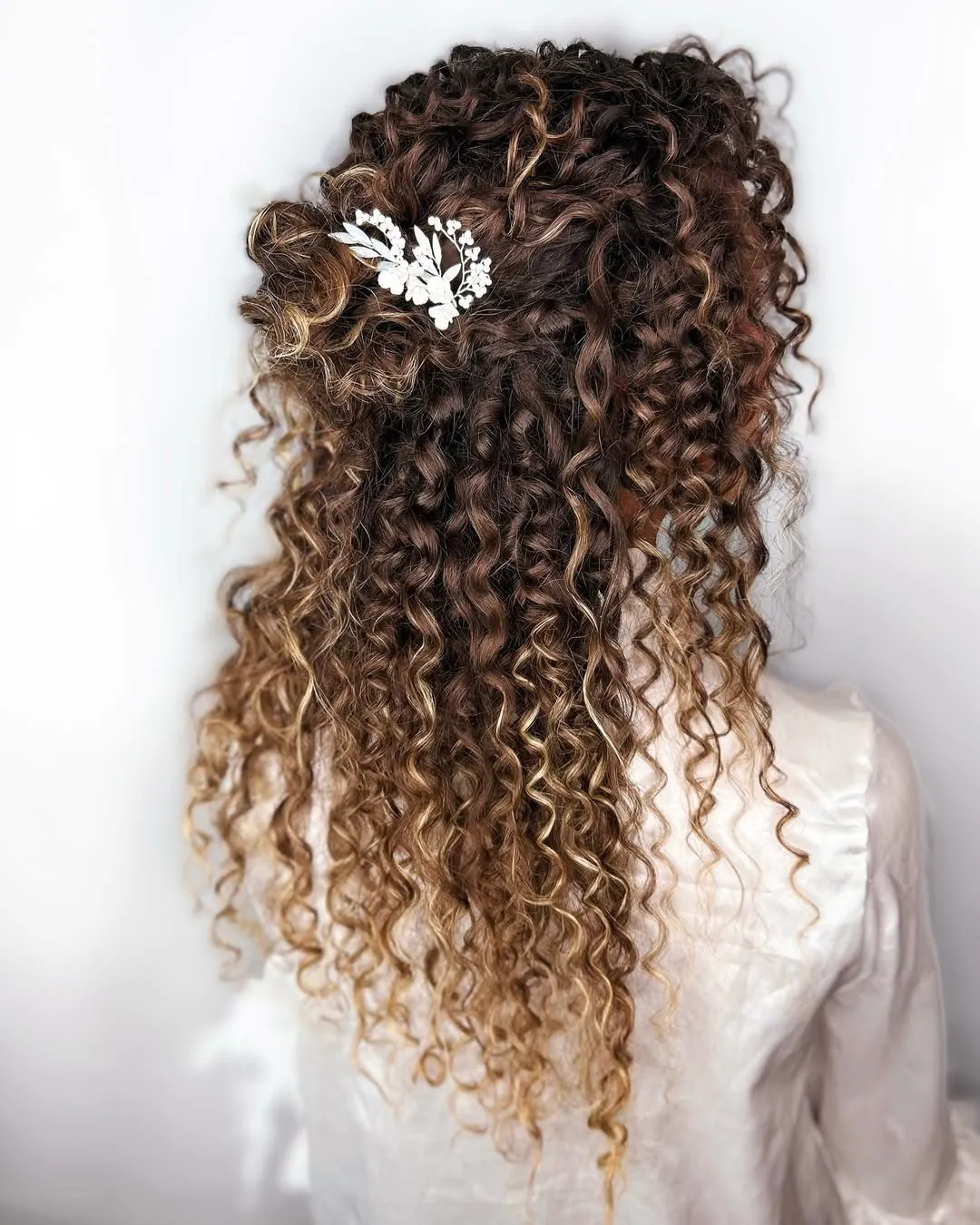
Natural curls and coils deserve to be celebrated rather than flattened into submission. Moisturizing creams and light oils enhance definition and control frizz without stiffness. Prepare for humidity in advance, especially for outdoor or summer weddings. Lace and structured silhouettes complement natural texture particularly well. Excessive manipulation affects both the priority styles that enhance the health and appearance of your hair by working with your natural pattern instead of against it, which is particularly important for outdoor weddings where humidity and wind can impact hairstyle longevity.
Wind and heat require a pragmatic approach. Secure low buns and ponytails hold their shape through the elements without sacrificing elegance. Braided elements add texture and stability. Choose lightweight accessories that maintain their stability even in windy conditions, such as small hairpins or clips designed specifically for outdoor events. The general principle is to choose styles that move with you. Fighting the weather on your wedding day is a battle best avoided.
Bohemian weddings call for loose waves with braids and a restrained floral accent or two. The style should feel relaxed and organic. Classic weddings suit smooth low buns or polished waves in fabrics like satin, silk, and lace. Whatever the theme, the best approach is to use it as a starting point rather than a directive. Your personality should be visible within the style, not erased by it.
The best bridal hairstyle is the one that makes you feel like yourself. Be honest about your preferences, share saved references with your stylist, and trust the combination of their expertise and your instincts. Book a trial well in advance. Wear it for a full day if you can. The right style should feel effortless by the time the wedding arrives, not like something you’re trying on for the first time.
The direction hair is moving in 2026 feels less like a trend cycle and more like a collective decision. Cuts are cleaner. Colors have more depth. The overall mood is polished without being precious. These are styles that photograph well, grow out gracefully, and make everything else you’re wearing look more considered.
Curtain Bangs, Softened
Curtain bangs haven’t disappeared. They’ve just matured. The 2026 version is longer, softer, and more seamlessly blended into the rest of the hair. They frame the face without overwhelming it. They work across straight, wavy, and loosely curled textures, and the commitment level is low enough to make them worth trying. Style with a light blow-dry that adds movement rather than volume. Clean, structured outfits let the softness of the fringe do its work.
The blunt bob is back with sharper, cleaner lines and a confidence to match. It looks intentional from the moment you leave the salon and stays that way as it grows. Apply a small amount of smoothing serum to damp hair before blow-drying, then follow with a flat iron for a polished finish. A light hair oil on top adds shine and keeps flyaways in check. The style is precise and modern, requiring minimal daily effort.
People are replacing flat, static long hair with something more lively. Light layers that allow natural movement are where long hair is heading. The styling philosophy follows suit. Lightweight creams and air-dry products keep the texture feeling airy rather than weighed down. The goal is hair that looks like it does something when you move, rather than sitting perfectly still.
The Sleek Low Bun is simple, controlled, and quietly elegant. A center part, hair gathered neatly at the nape, and a soft-hold gel to keep everything smooth is all it takes. It transitions from a work setting to an evening out without any adjustment. It also has the particular quality of making whatever you’re wearing look slightly more put together. A single understated accessory in a neutral tone is the only addition it needs.
The shag has been reinterpreted into something far more wearable. Light layers through the crown, a wispy fringe, and a blended finish give it texture and movement. None of the deliberate dishevelment of earlier versions. A lightweight texture spray, worked through the mid-lengths and ends with your fingers, is all the styling it requires. It suits people who want their hair to look like it has personality without thinking about it every morning.
Straight hair is back, but the approach has changed. The rigid, overprocessed look of the past is gone. The 2026 version is about healthy shine and soft, natural movement. A middle part with ends kept slightly rounded, plus a lightweight product that adds gloss without stiffness, creates a clean and polished result that still feels touchable. It pairs particularly well with monochrome dressing and tailored separates.
The direction for curly and coily hair in 2026 is genuinely refreshing. Less manipulation. There is a greater appreciation for the natural capabilities of the hair. Over-defined ringlets are giving way to softer, more touchable textures. Leave-in conditioners and curl-defining creams support the texture rather than override it. Air-dry over heat styling where possible. Use a wide-tooth comb or fingers for detangling. A silk pillowcase at night preserves the curl pattern. The result is hair that looks authentically itself, which is exactly the point.
The pixie is sharper and more intentional this year, leaning feminine without losing its edge. It’s a cut that commits, but the payoff is significant. It elevates simple outfits immediately and pairs well with statement accessories in ways that longer styles often can’t. Lightweight texturizing products that enhance natural movement keep it feeling modern, making it suitable for various occasions and easy to style for both casual and formal looks. Softness around the face is the key detail. It’s a confident choice, and it rewards confidence in return.
In 2026, hair accessories follow the same logic as the rest of the look. Choose one thoughtful piece and let it do the work. An oversized barrette, a sleek headband, or a minimalist metal pin upgrades even the simplest hairstyle without adding noise. The piece should feel like an extension of the outfit rather than a separate decision. As soon as you add a second accessory, you’ve gone one step too far.
Rich, Dimensional Color
Flat, single-process color is being replaced by something with more depth and movement. Warm brunettes, soft blacks, and dimensional blondes with natural variation are the shades defining 2026. They create richness without harsh contrast.
The philosophy is the same as the cuts: intentional, sustainable, and built to last between appointments. Color-safe products, regular deep conditioning, and UV protection maintain the depth and shine. It’s an investment in color that looks better the longer you have it. That’s exactly how the best trends work.
The finest holiday clothes have always been about a certain type of comfort. The perfect holiday attire strikes a balance, ensuring you look good whether you’re strolling down the beach or settling down to a long lunch. The greatest resort wear is comfortable, flexible, and fashionable without being too loud. It moves with you, takes in the heat, and never seems like work.
What Modern Resort Wear Really Means
The modern resort wear category has changed. Outfits that are more flexible and easy to wear have replaced stiff resort sets and matching print designs. These clothes seamlessly blend into the vacation atmosphere without resembling costumes. The goal is to find a balance between being strict enough to feel like you mean it and relaxed enough to have fun. If you’re struggling with your clothes, something is not right.
You don’t need much to make a wonderful resort wardrobe. A bag filled with options won’t take you as far as lightweight dresses made of breathable fabrics, flowy wide-leg pants with a relaxed waist, easy tops that can be dressed up or down, an adaptable cover-up, and a pair of comfy shoes. You can wear these clothes for various occasions, they complement each other well, and they simplify the process of getting ready. That’s the point.
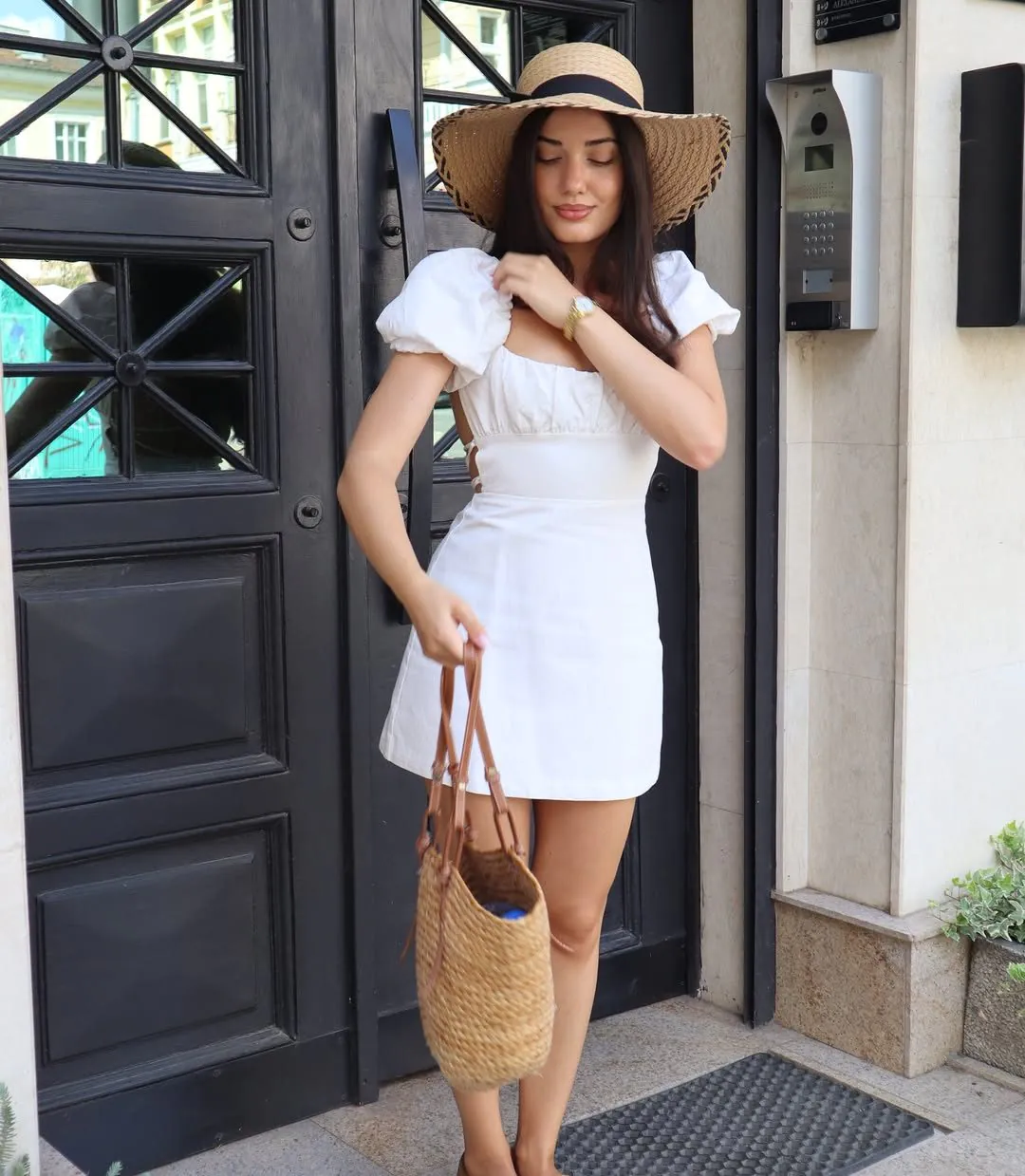
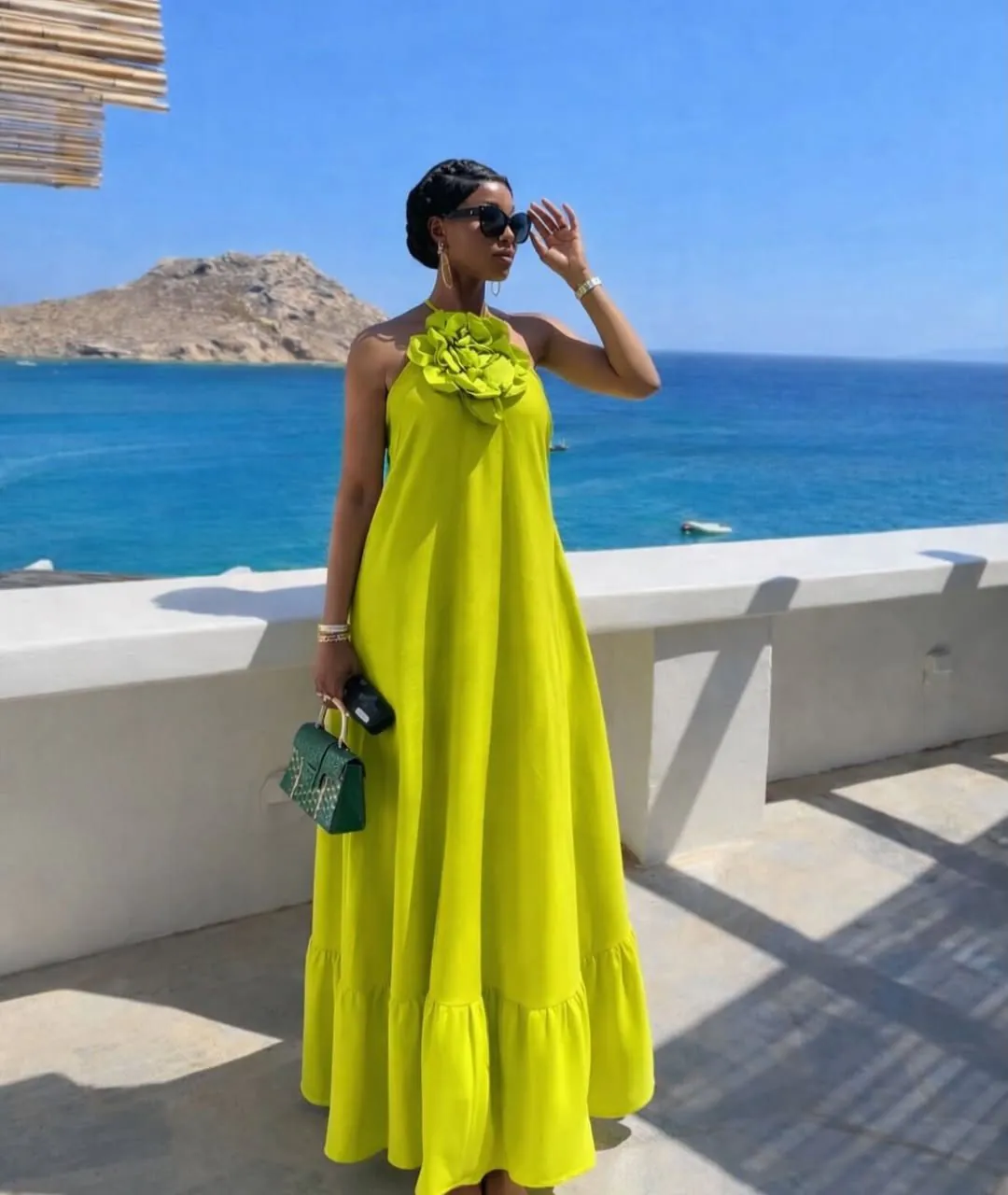
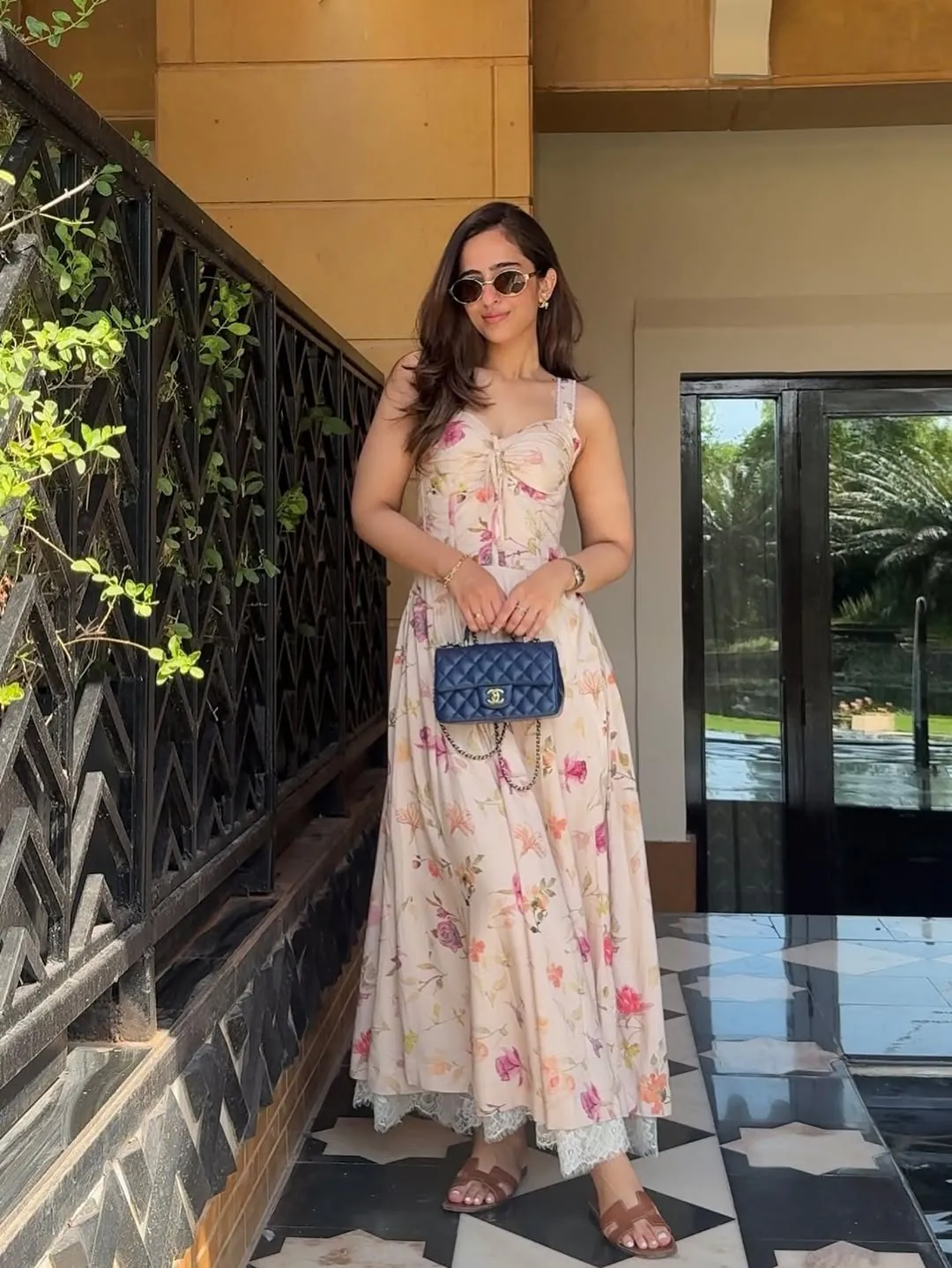
Dresses are the one type of clothing that is always appropriate for a vacation. These are the clothes that do the most with the least: flowy midis, movement-friendly maxis, and basic slip dresses made of natural fibers. The best resort clothing does not cling to you. They feel light and make a tiny space between the cloth and your body, which keeps you cool and confident all day. You don’t need to do anything fancy to enhance shape. You can enhance your shape with a woven belt or a layered necklace.
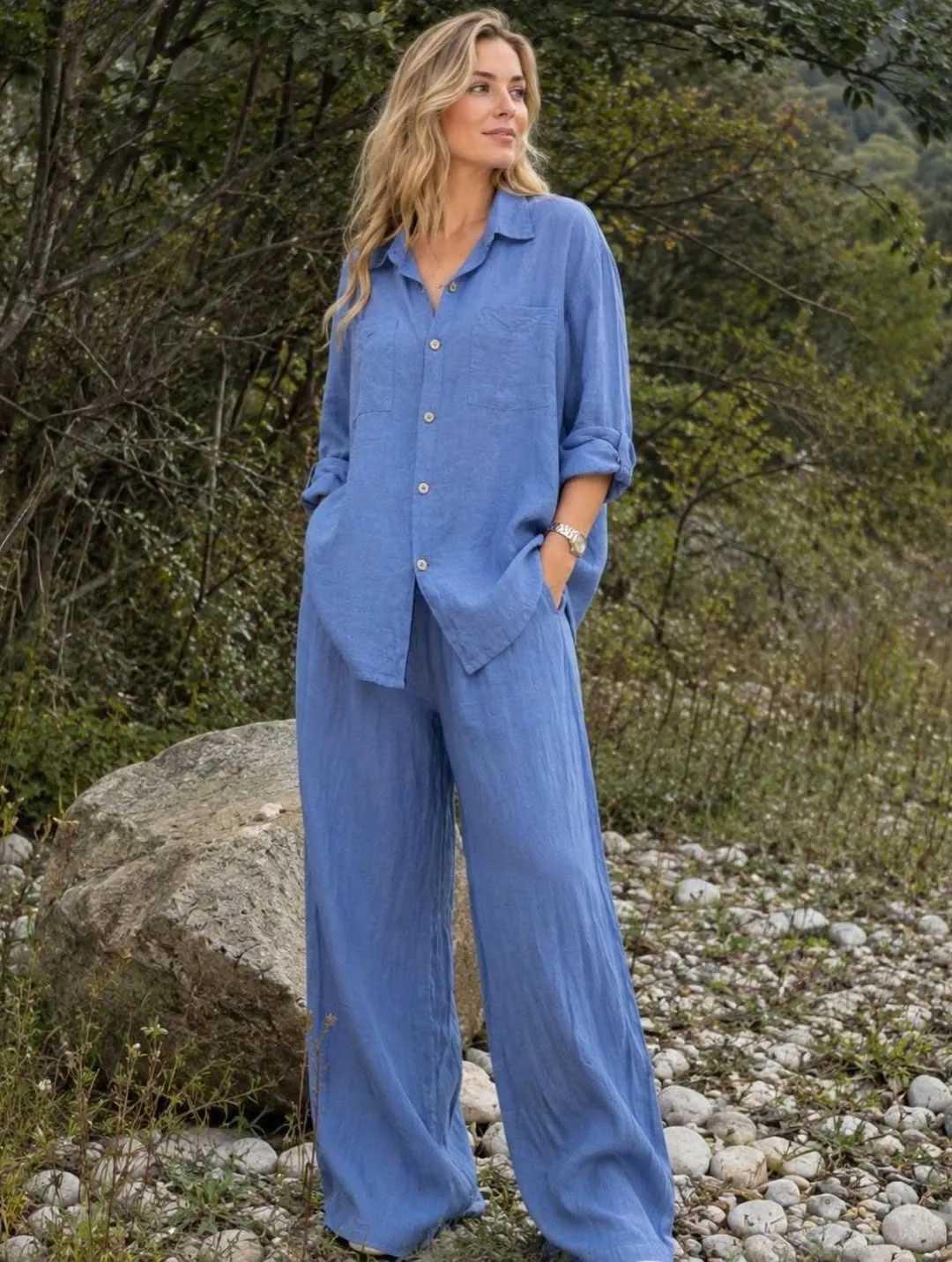
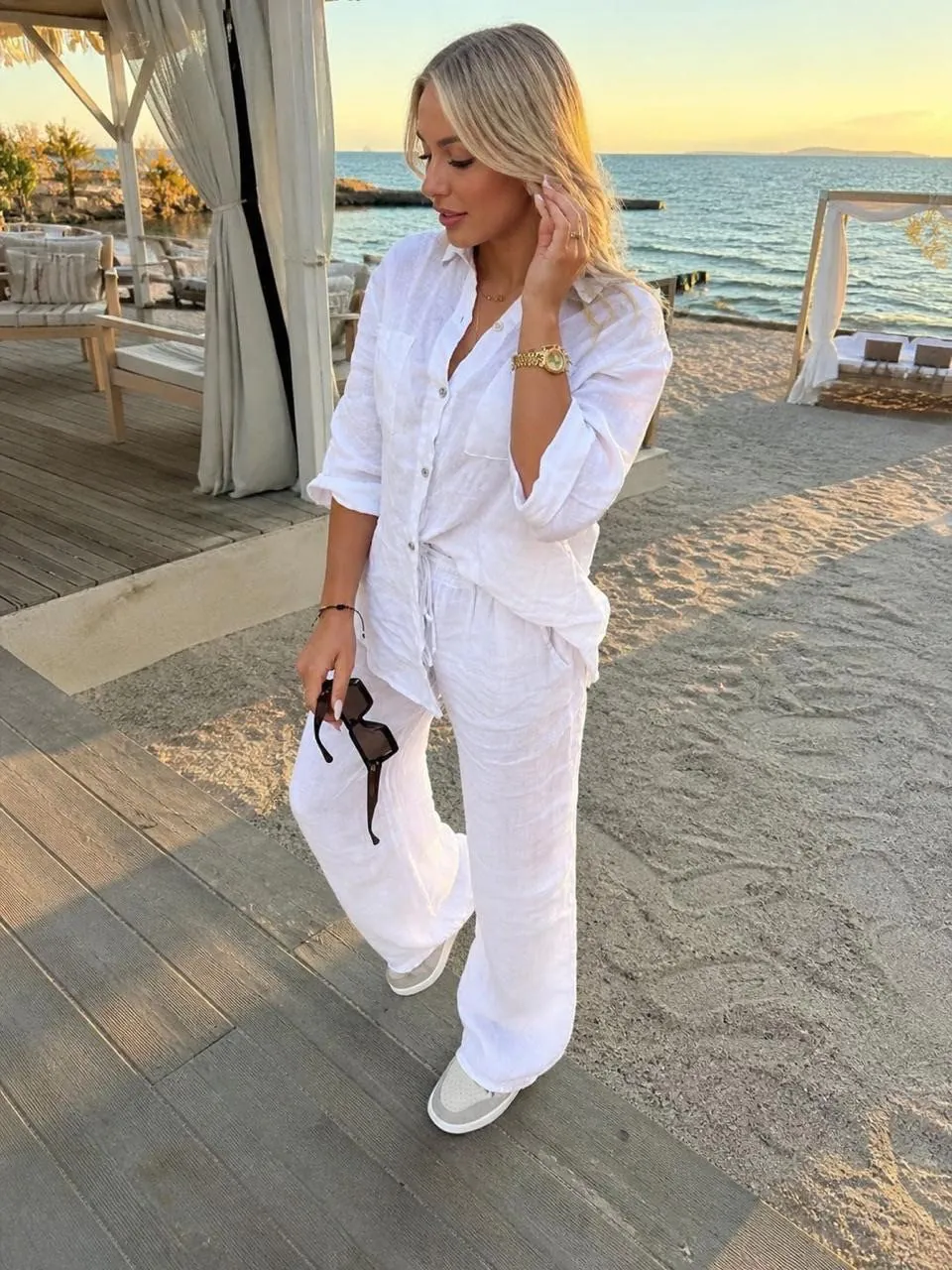
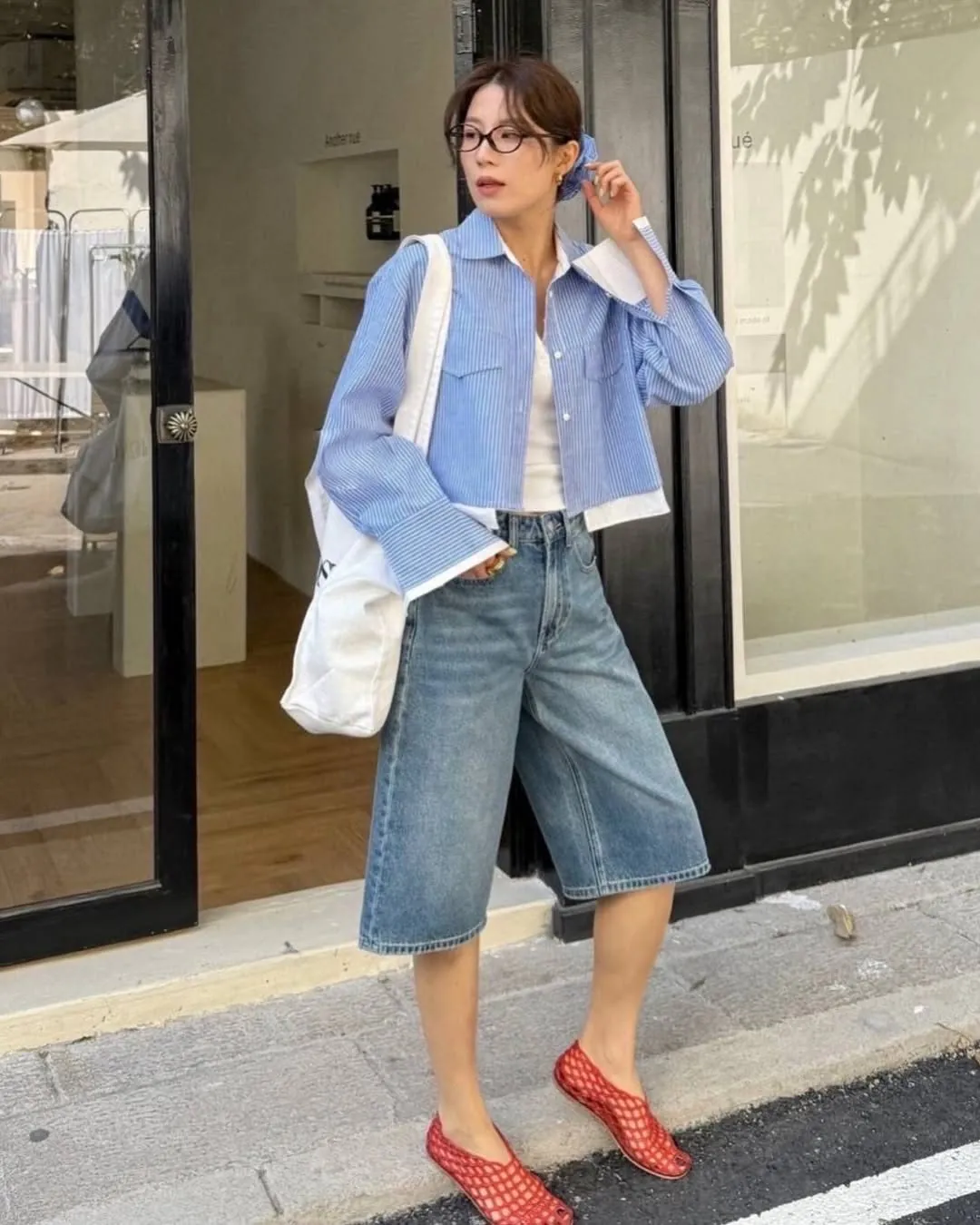
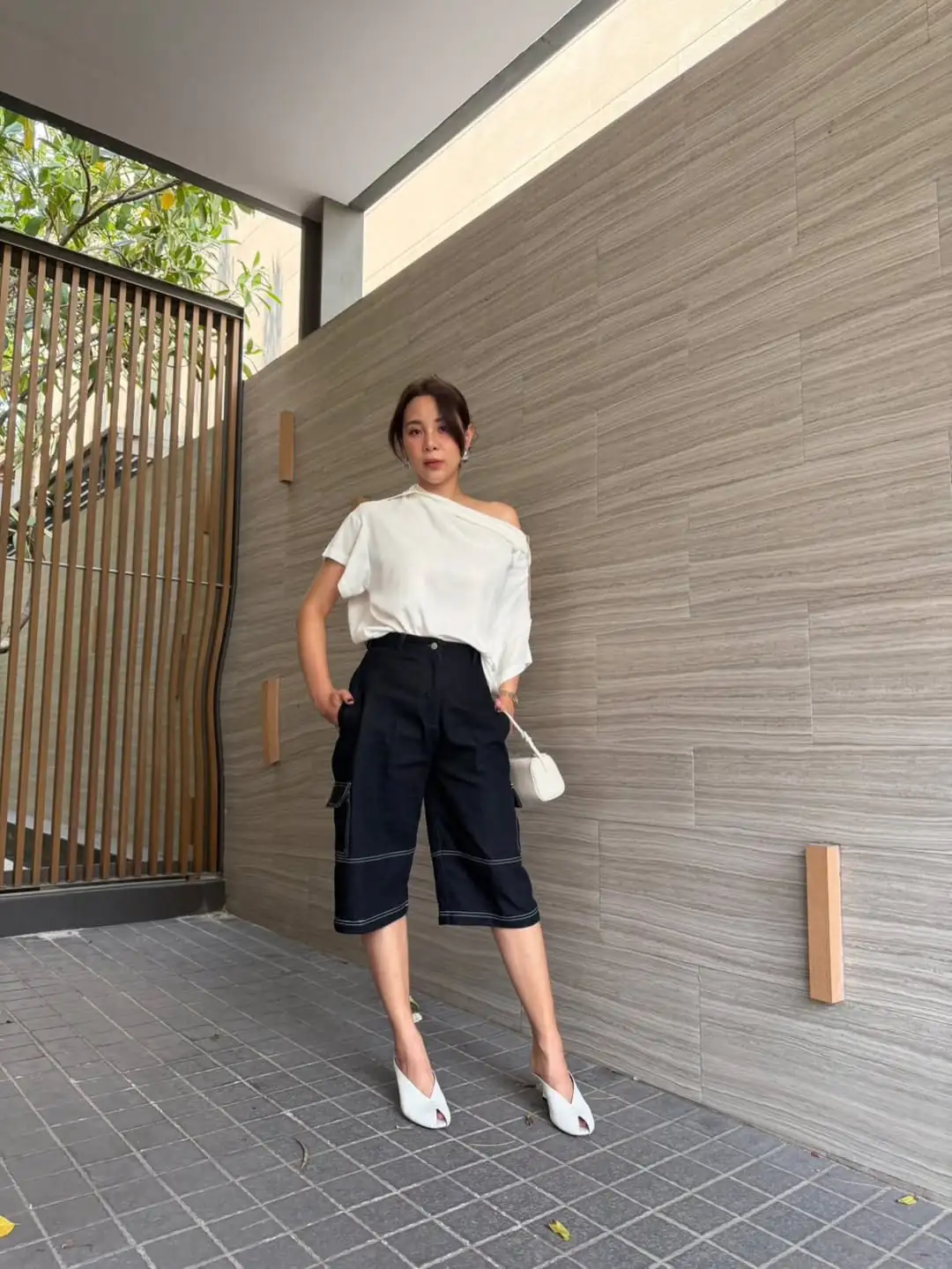
Resort gear is worth the money if it can be worn outside of the water. Wide-leg jeans and a fitted tank top are the perfect mix of casual and put-together. One of the easiest ways to look good is to wear linen shorts with a loose button-down shirt open over a tank top. You may wear a midi skirt with a simple tee, knotted or tucked at the waist, for lunch, shopping, or an easy dinner without having to think about it. Resort wear looks current instead of sloppy since it has a mix of casual and slightly structured styles.
Choosing the right fabric can significantly impact an outfit in warm weather. Light blends of linen, cotton, viscose, and other materials help skin breathe and move without retaining heat. Leave stiff polyester, hefty textiles, and anything that doesn’t give at home, especially when it’s humid. Natural textiles also hang better, wrinkle in patterns that look planned, and get better with use. They are the key to that easygoing style that resort dressing is always trying to get.
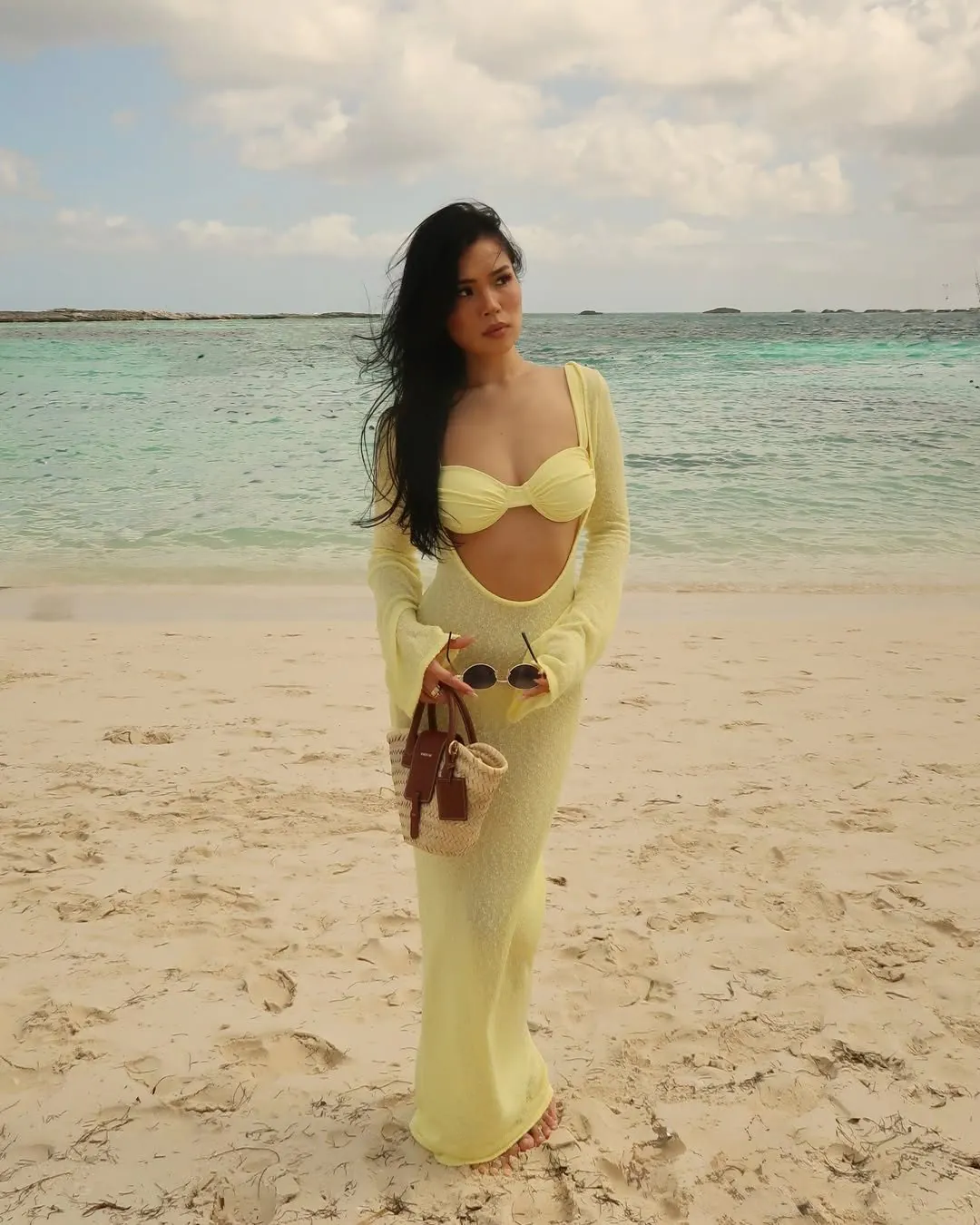
A swimsuit that fits nicely can be the first piece of clothing you wear. A sleek one-piece and flowing linen pants offer a carefree yet polished look that effortlessly transitions from the beach to brunch. A bikini top with a high waist and linen shorts looks just as put-together. Keeping your swimwear in neutral colors simplifies mixing and matching, ensuring that everything in your luggage complements each other. You may wear a bikini top as a top or a swimsuit as a bodysuit, which gives you more options without having to carry more.
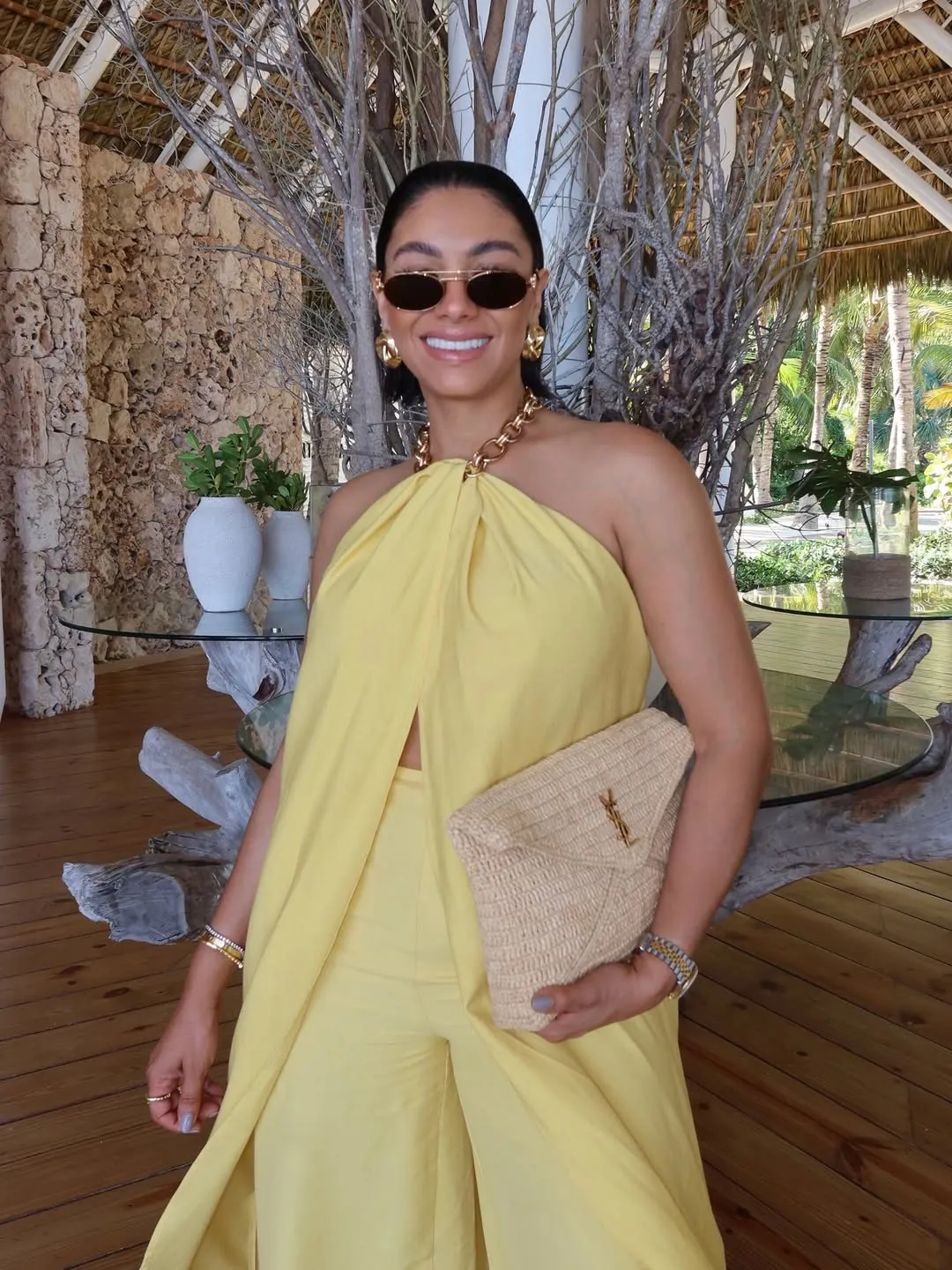
A straw or woven purse right away seems like a vacation. Sunglasses with personality protect your eyes from the sun and make you look good. A couple of thin bracelets, a layered necklace, or simple gold hoops can make you look more polished without being too heavy. One of the best items to bring is a light scarf because it may be a wrap, a hair tie, or a beach cover, depending on the time of year. The same rule for accessories at a resort as anyplace else is that they should make the outfit seem better, not worse.
Flat leather sandals are the most useful type of shoes for resorts. They work just as well for daytime exploration as they do for evening dining, and they only become better with time. Espadrilles rank second, as they exude a casual yet polished vibe that complements nearly any resort outfit. If you want a little height but don’t want to give up comfort for a longer night, low wedges are a good option. Slide sandals are the last thing you need when you want to put on something easy and go.
The best resort outfits can be changed without having to change completely. A flowy dress that works in the afternoon can also work in the evening with dressier sandals, a set of statement earrings, and a strong lip. That’s all it really takes. The ease of resort dressing is what makes it so satisfying: little effort, always polished.
White, cream, tan, soft pastels, and warm neutrals look excellent in photos and don’t get old over the course of a vacation. They reflect light, look good against a tan, and are a good base for any accessories you choose to add. Instead of making a whole outfit around a big design, bring personality with a bag, scarf, or pair of earrings. The less noise there is at the base, the more everything can move around.
A vacation bag shouldn’t have too many layers, clothes that are too trendy and won’t last long, fabrics that make it hard to move, or anything that needs a lot of care in the heat. If you feel you must wear something when trying it on at home, it will feel worse on vacation. Dressing for a resort should never seem like work. Put it back if it does.
Pack Less, Wear More: The best way to pack is to be really strict with yourself. Every top should be with at least two bottoms. Each piece should earn its place. Before you zip up the luggage, hold each item up and ask yourself if it really goes with the other things you’re taking. Throw away anything that seems like a backup or a maybe. A smaller, more carefully chosen wardrobe provides you more freedom because getting dressed is easy with fewer choices.
The finest resort apparel doesn’t have to do with how you seem to other people. It’s about being comfortable, confident, and true to yourself in a place that is already doing half the work. Choose clothes that allow for movement and breathability, eliminate anything that doesn’t fit, trust your instincts, and dress in a way that reflects your true self, but with a touch of sunshine. Getting dressed on vacation may be one of the little joys of the trip if you do it right.
“This post contains affiliate links. I may earn a small commission if you purchase through my links, at no extra cost to you.”
Things have changed. People don’t pay as much attention to the loudest movements in the room anymore. This summer, the ladies who turn heads do it gently, with fabric, proportion, and a type of effortless restraint that requires more confidence than any statement piece ever could. These are not things you should follow. They are a call to improve.
1. Minimal Luxe Tailoring
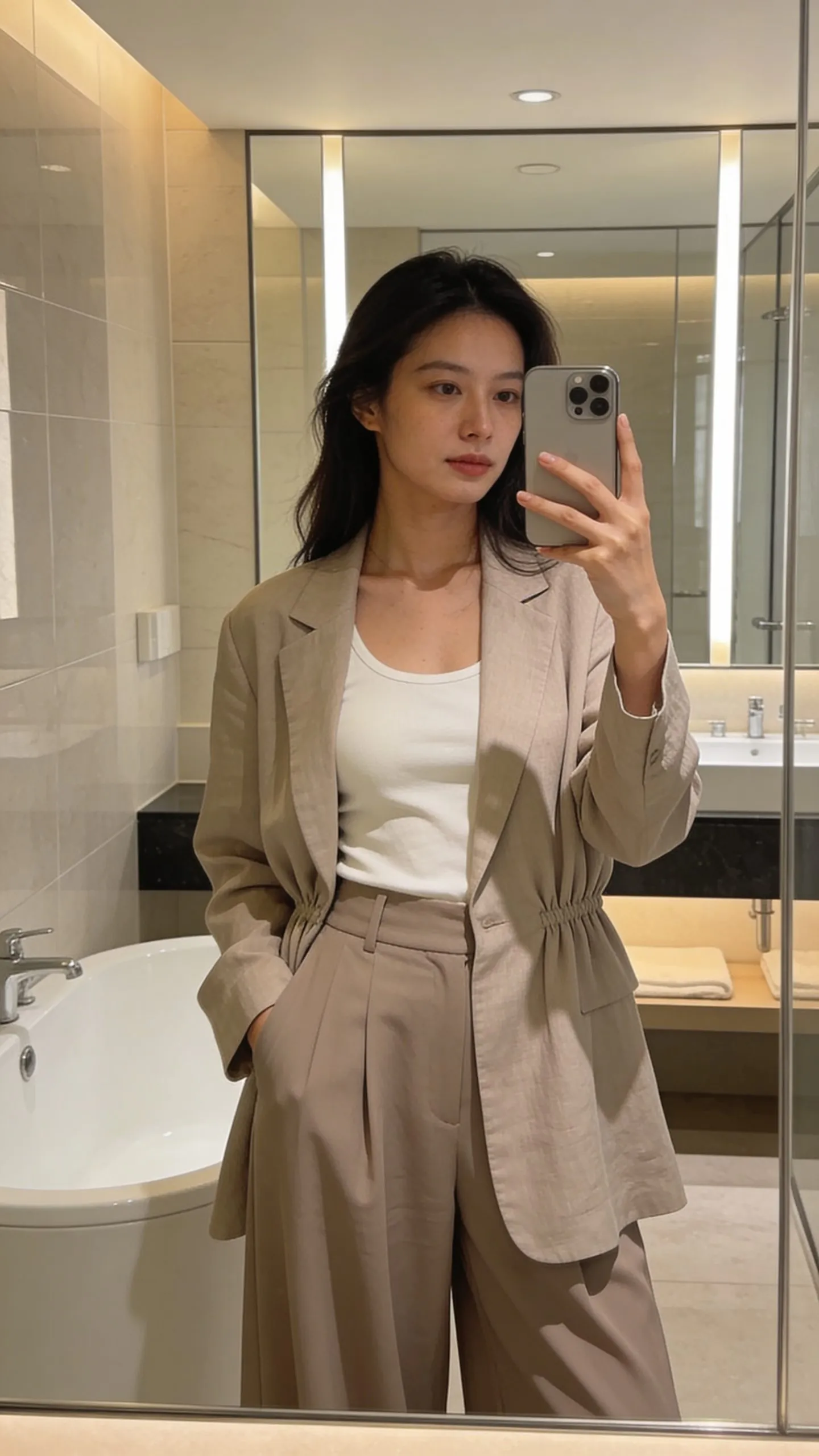
Forget about stiff suits. This summer, soft tailoring is in. Blazers that give you just enough rigidity to feel intentional, fluid trousers that are broad and light enough to move with you, and long tailored shorts that are no longer micro-cut are all in. It’s easy to put together: a linen blazer over a tank top, fitted shorts, and leather slides. Alternatively, you could pair a soft vest top with wide-legged pants and flat sandals. Use neutral colors like milk, stone, chocolate, and black, and use linen blends, lightweight wool, and cleaned cotton. The end product should look like it was slapped together and not feel like anything.
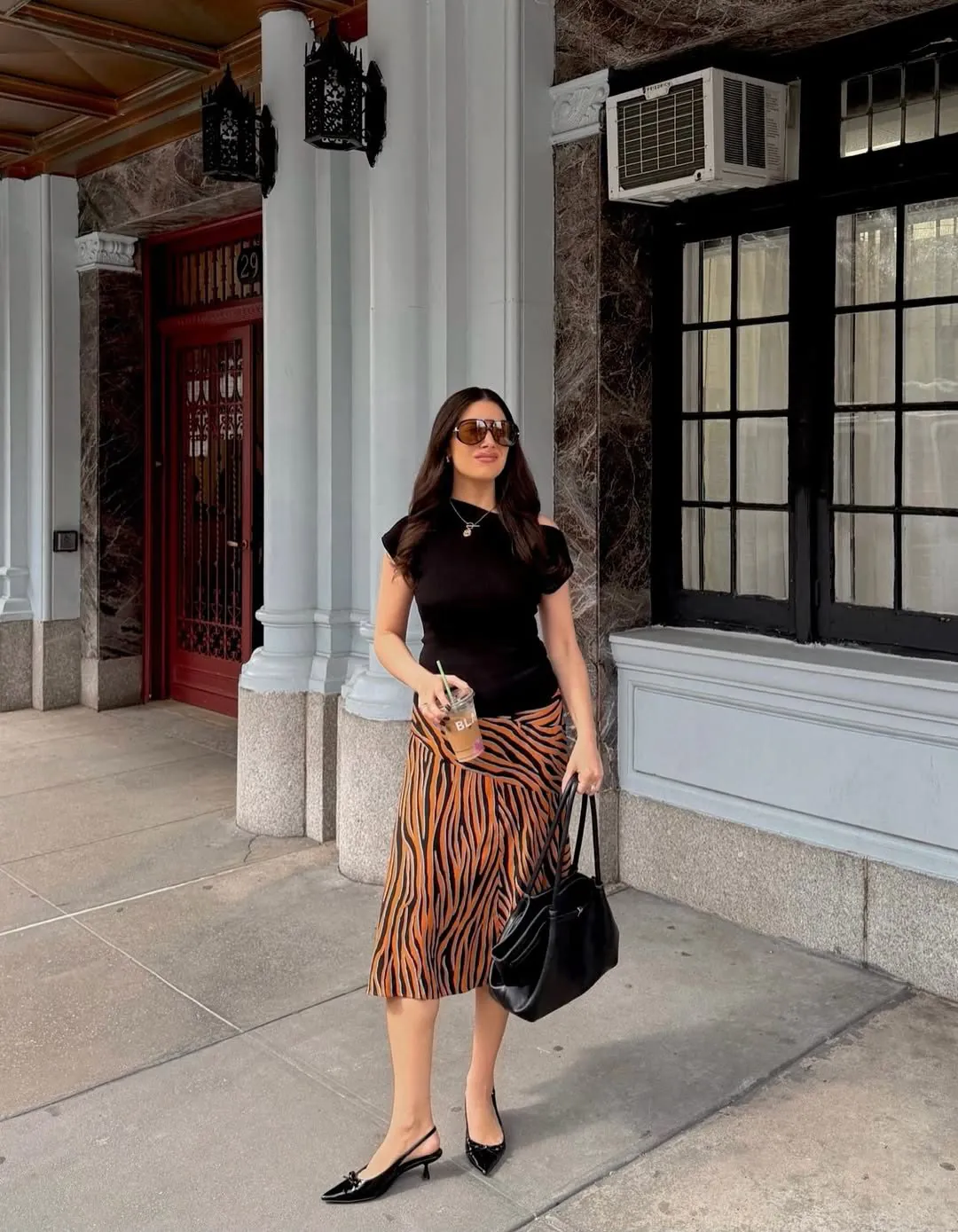
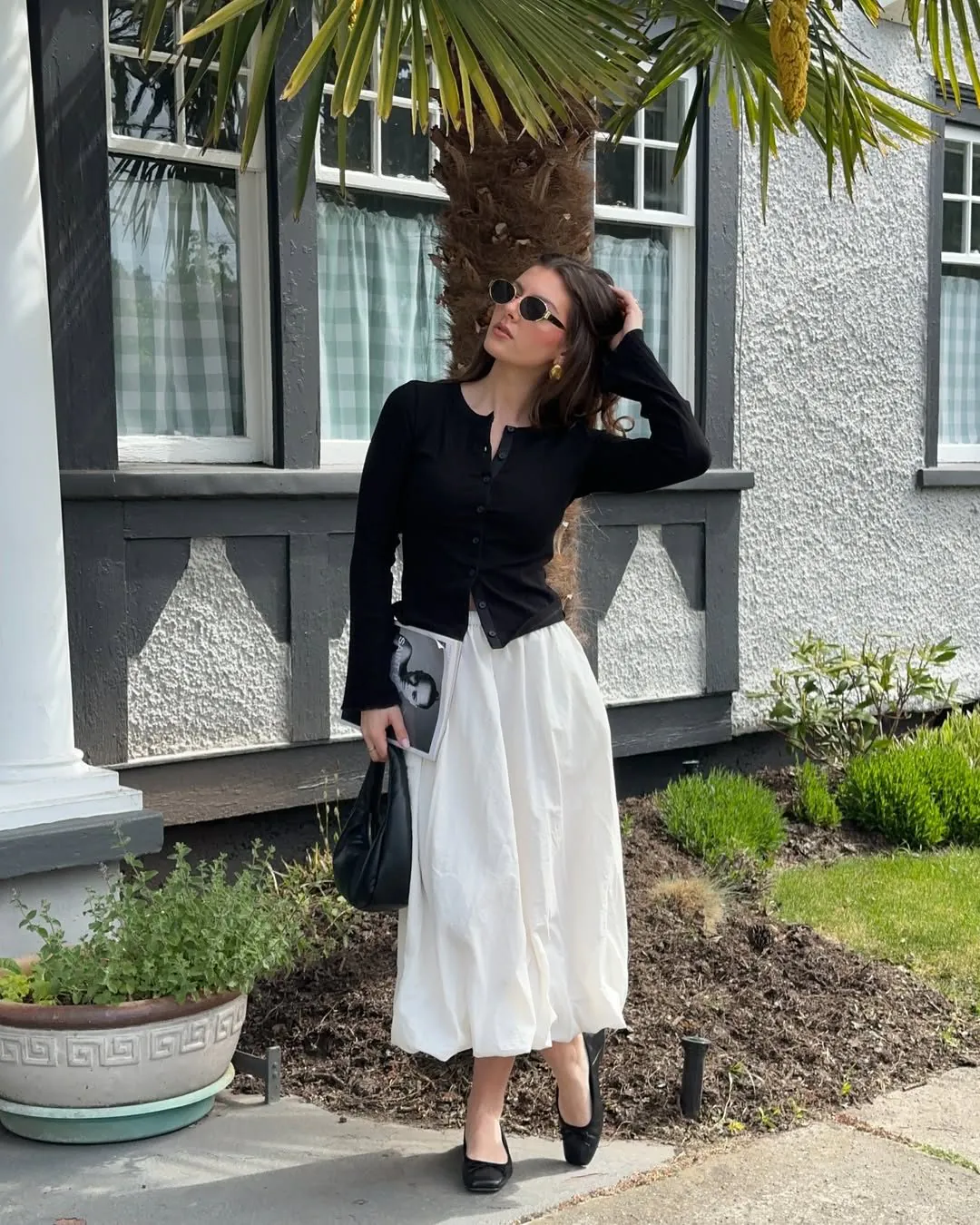
Sheerness works when you think about it, not when you act on it. Consider layering a long-sleeved sheer shirt over a ribbed tank top and pants. Consider layering a sheer skirt over a short slip dress. The key is to be careful: never wear sheer fabric all the way down, and don’t wear anything that is too flashy to draw attention. Your shoes should be simple sandals, slingbacks, or clean ballet flats. Let the layers do the work.
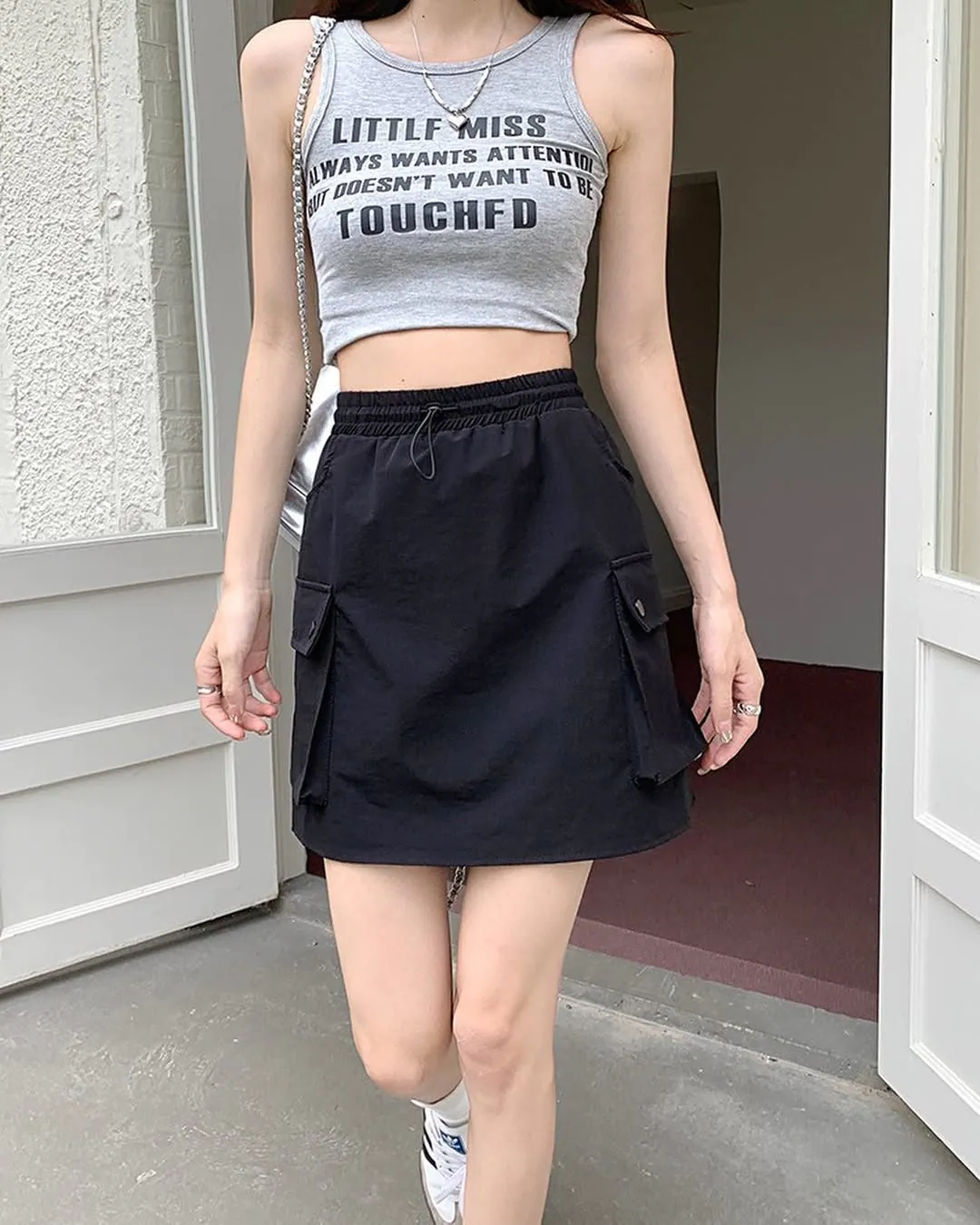
Low rise is back, and it’s more grown-up than you remember. This isn’t about the time in the early 2000s when the waistband was too tight. It’s all about proportion: sleek low-waist skirts, cut pants with a smooth drop, and relaxed jeans that lie just below the natural waist. The change in style is what makes it work: longer tops that skim the hips instead of cropped designs that make the issue more obvious. Pick structural waistbands instead of anything that hangs down. Pointed flats, low heels, or slender sandals are good choices to round off your look. If it seems obvious, consider lowering the top by an additional inch.
The high athletic image has little to do with gym clothes and everything to do with comfort. Think of a leather tote, ribbed tanks, and slim track pants. Tonal clothing features soft colors, minimal branding, and clean lines. This outfit is great for a casual lunch, a day of travel, or any other time you want to look like you tried without actually trying. No more loud logos. The idea is to make sportswear that looks as classy as everything else you own.
Shoulder pads used to be what power dressing meant. It now means a dress that hangs loosely or a top with just enough structure to feel planned. The colors are warm, neutral, muted pastels, and washed black. The attitude is serene, not commanding. This is clothing that gets its power from being quietly confident, not from harsh angles. A change of shoes makes it go from day to night. No need for significant tailoring.
Novelty designs and resort kitsch are no longer in style for sophisticated vacation clothes. Linen dresses, loose tanks, wide-leg slacks, woven purses, and natural textures are the new must-haves for travel. The goal is to put together a vacation outfit that works just as well at home. You want pieces made of linen, cotton voile, and lightweight silk that look good whether you’re at the beach or running errands. Skin exposure is more subtle than spectacle. Simplicity is better than a keepsake.
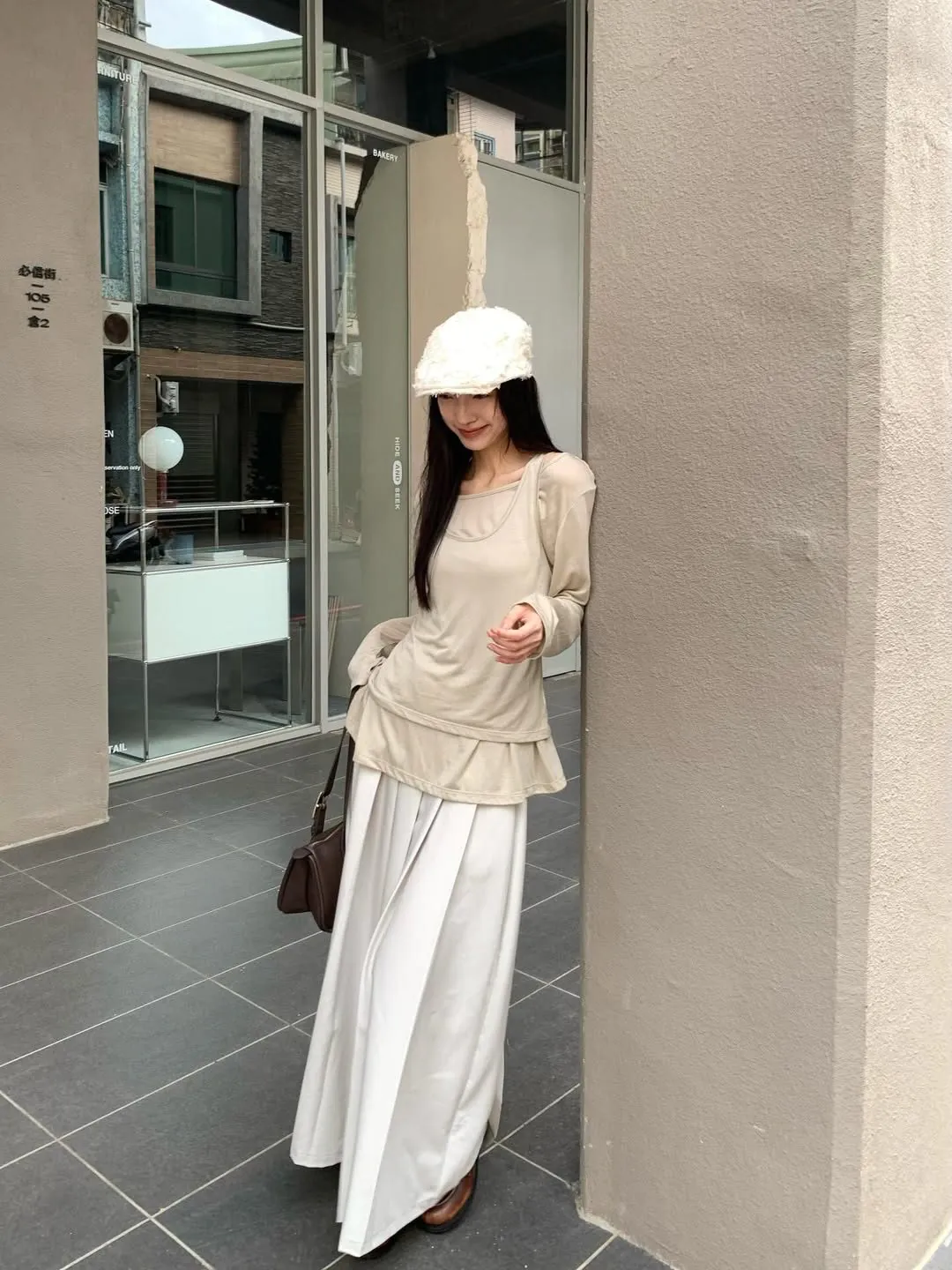
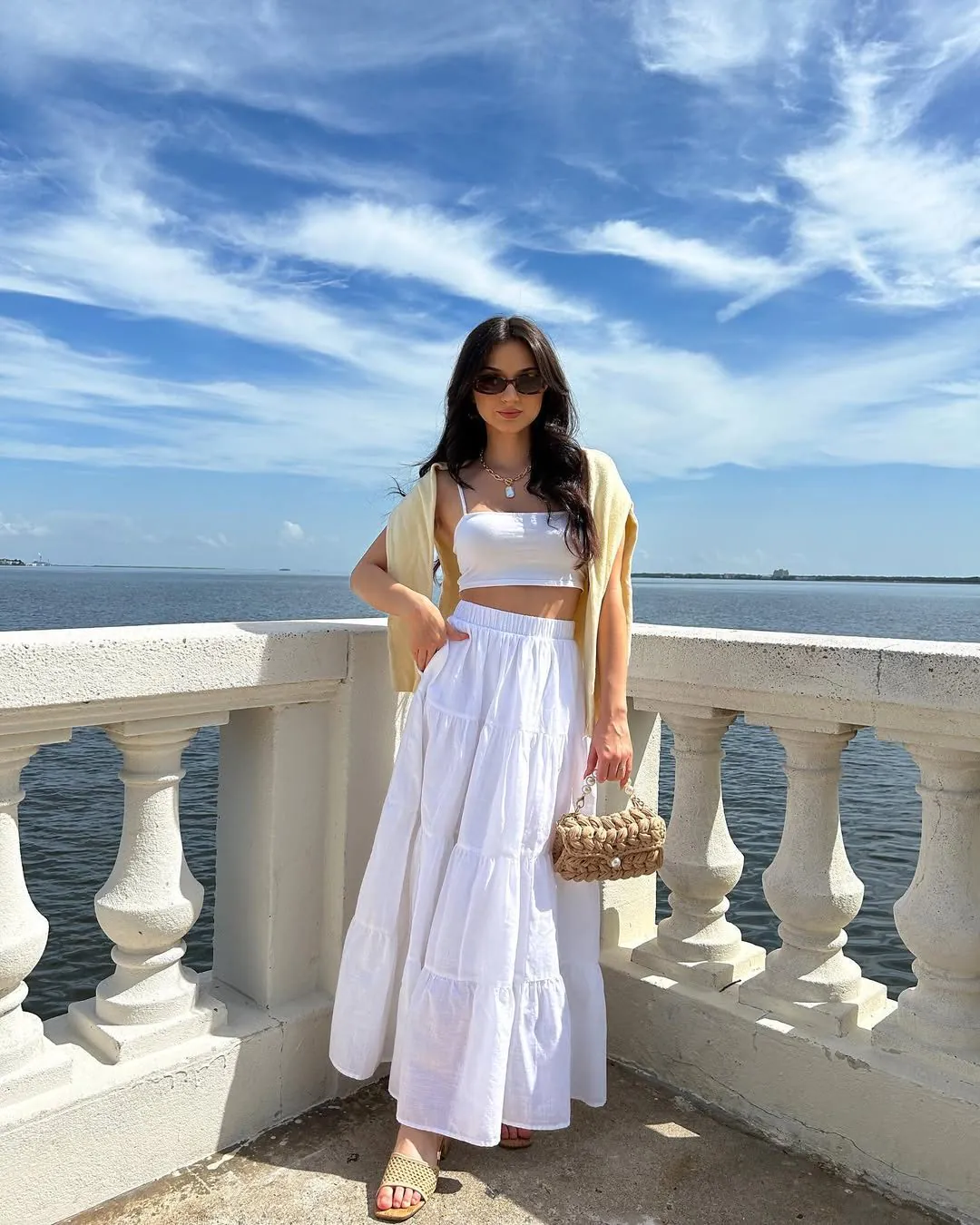
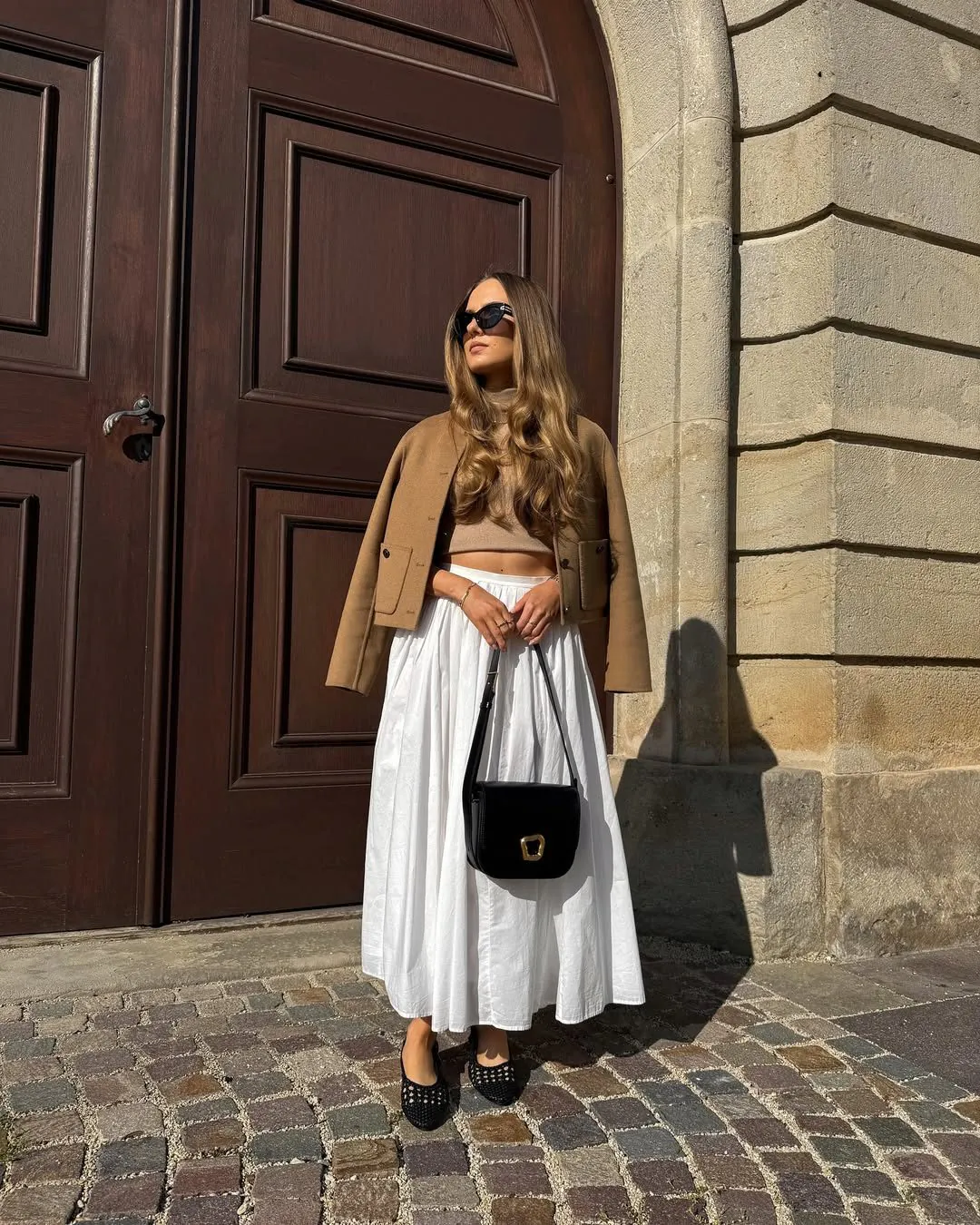
Length does something that cropped proportions don’t do very often: it makes things longer, higher, and easier to move in, which looks really elegant. This season, the best way to wear a fitting shirt is with a maxi skirt or pants that touch the floor. Wear light shoes, like slender sandals or low-profile sneakers, so the shape of your body flows instead of stopping. The result is flattering without having to think about it too much.
When the urge to print comes over you, turn it toward texture. Details like crinkled textiles, slight ribbing, and light pleating add dimension to a monochrome suit and make simple designs look more thought out than plain. The cloth does more for you the fewer accessories you add. It’s a quieter way to dress, and it looks better in pictures too.
9. Shoes: The Last Thing You Put On, Not the First
This season’s shoes are flat leather sandals and pointed ballet flats. They are there to finish off an outfit, not to compete with it. That means getting rid of big platforms and too many straps in favor of sleek, purposeful shapes that let the rest of your outfit breathe. Comfortable and classy are no longer at odds with each other.
Dusty rose, sage, mellow taupe, and faded lilac are more flexible and always more classy than their bright cousins. Wearing one color per outfit, with neutrals as the base, makes everything look put together without any work. If you’re still not sure about color, try it out with a bag or earring instead of a whole outfit. The end result is a closet where everything goes together organically, and getting dressed doesn’t feel like a choice anymore.
The best summer dress features a clean neckline, is easy to move in, and doesn’t have anything additional. It can be worn to brunch, a gallery opening, and a supper in the garden without needing to be restyled each time. Look for cuts that are classic and not too detailed, and fabrics that breathe. It should appear like the nicest item you own and feel like the easiest.
A single sculptural earring. A plain leather bag. Choose a belt that doesn’t draw too much attention. That’s the short version. Pick one piece that stands out and keep the rest of the outfit simple. Use the same metals, avoid adding layers, and resist the urge to add more. A single well-chosen accessory can make even the simplest outfit look better. Too many accessories undo it.
Natural fibers are no longer just a choice; they are a way to stand out. Linen, silk, cotton voile, and lightweight wool are all textiles that feel soft and airy and drape well. They feel rich because they are. Putting these materials first is both an aesthetic and an ethical option. It’s a step toward fashion that lasts longer than one season and doesn’t need to change quickly to stay contemporary.
The basics are simple: tailored pants, a linen blazer, a few ribbed tanks, a maxi skirt, one casual dress, and one pair of leather shoes and pointed flats. After that, add one trend at a time, such as a sheer top, a low-rise skirt, or a textured piece in a soft color. Instead of looking for new shapes, stick with the ones you already have. The wardrobe that feels the easiest to put together is usually the one that has been edited the most.
For a while, extreme cutouts, very cropped tops, and bright embellishments were all the rage, but that era has passed. This summer, the change is toward a more peaceful confidence that doesn’t need to explain itself or get attention. If you have to work hard to explain a trend, it’s already on its way out. The ideal way to dress right now is to wear clothes that seem like a natural part of who you are, not like a performance of what’s in style.
Jeans are the most common thing in anyone’s closet. It looks lovely no matter what season, circumstance, or decade it is. And yet, most of us still feel like we have nothing to wear when we look in our wardrobe. The jeans aren’t the issue. The issue is that you don’t know how to build around them. Once you understand a few key formulas, the same pair of jeans you’ve been ignoring can seamlessly transition from grabbing coffee to booking a dinner reservation.
The Classic Look: White Shirt and Jeans Outfits
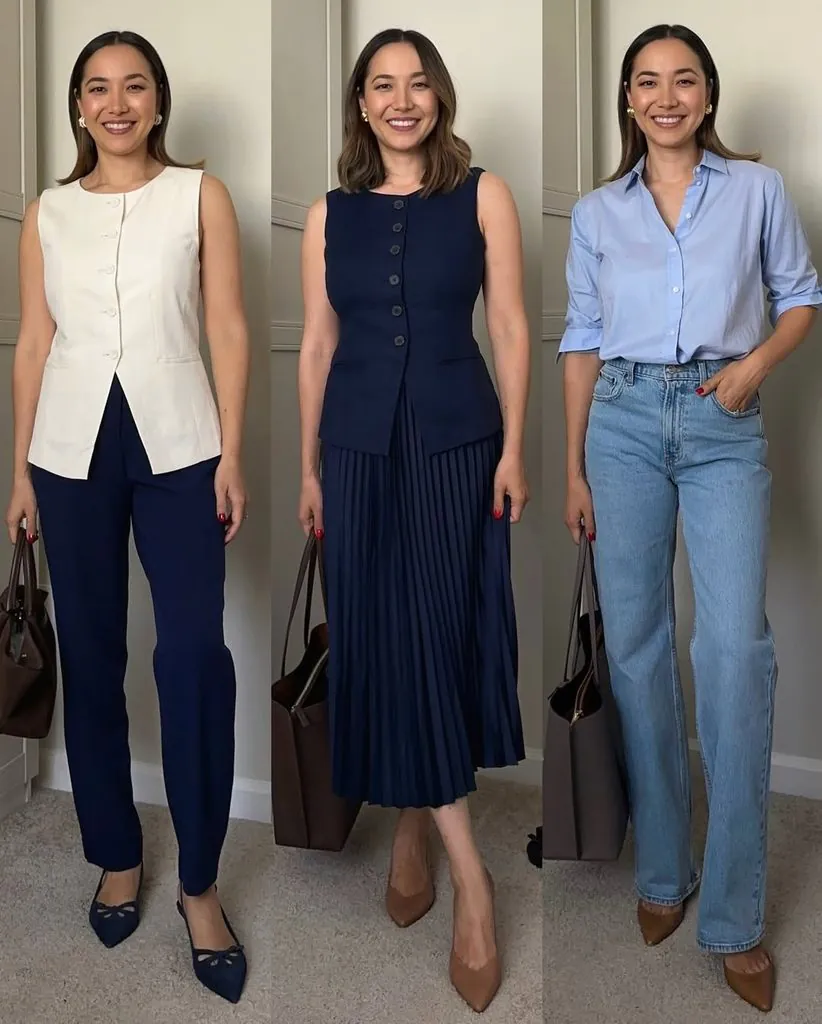
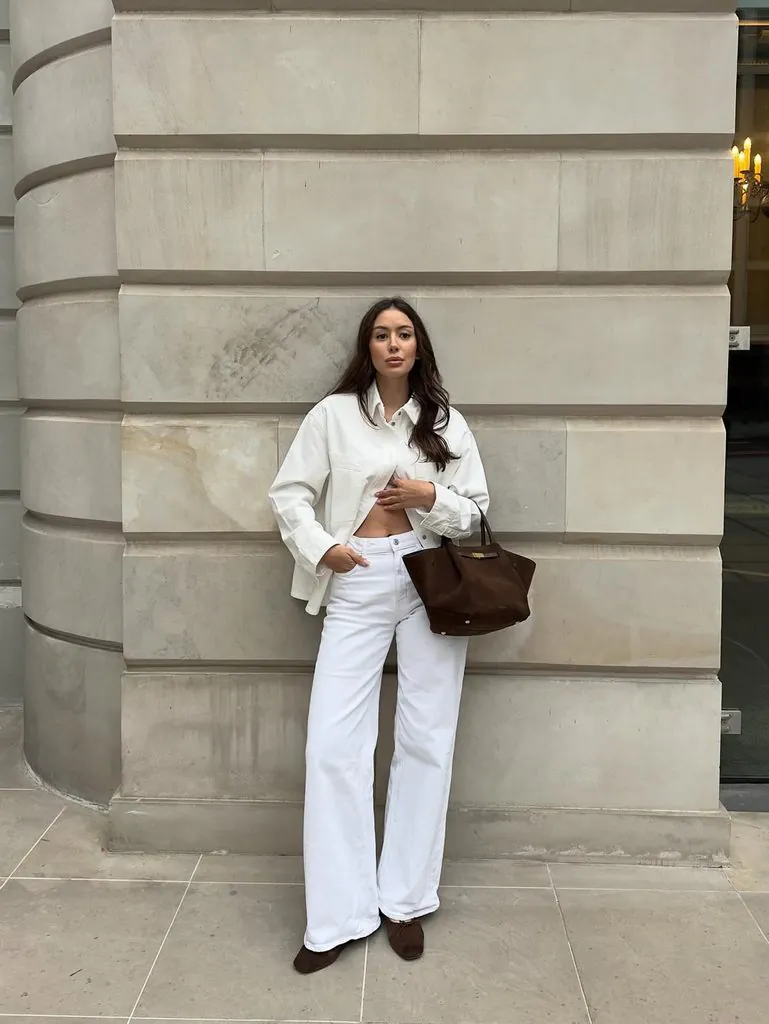
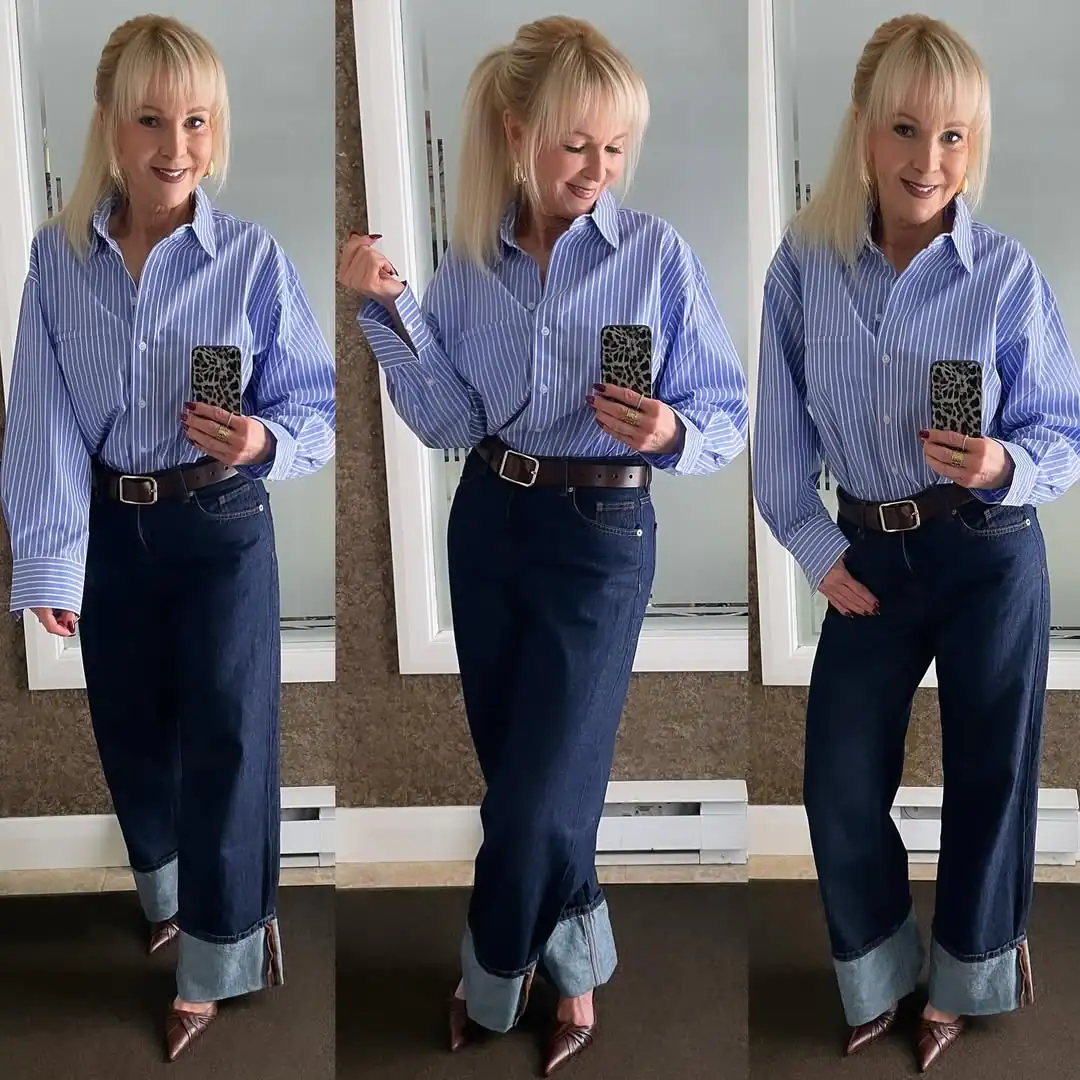
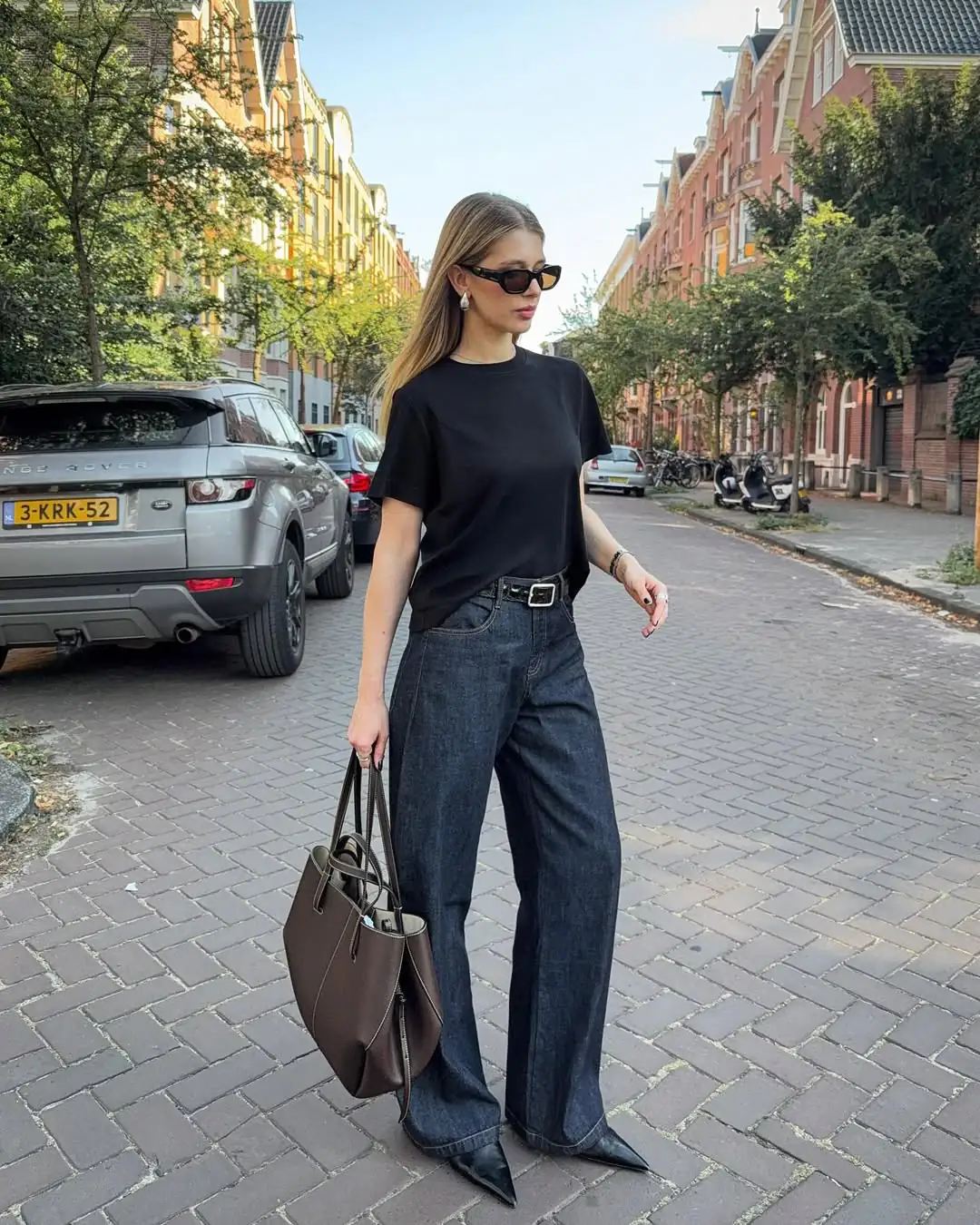
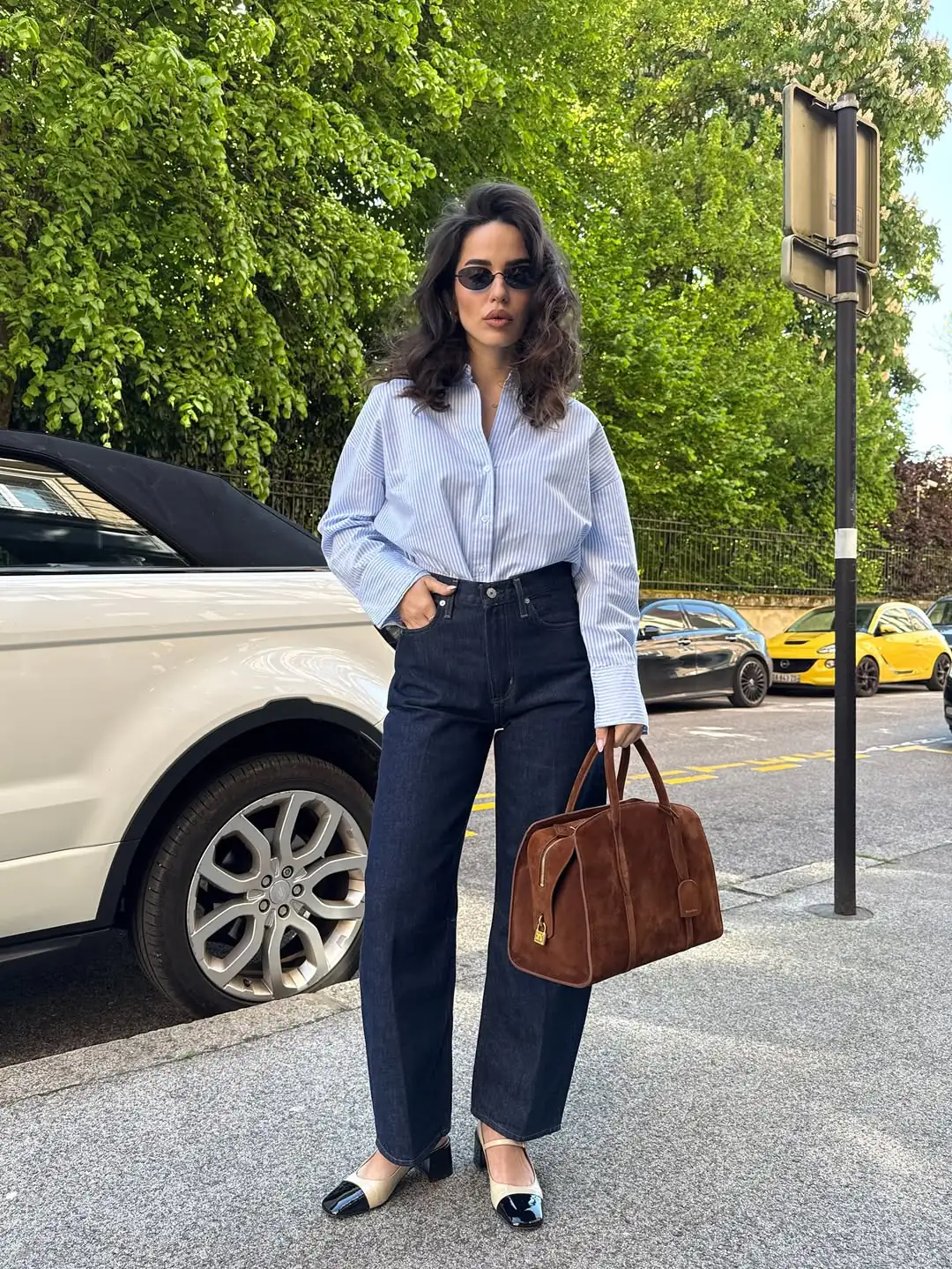
One of the few timeless combinations is the pairing of jeans and a white shirt. The details are more important than you think because it relies on contrast and proportion. Begin with straight or relaxed-fit jeans in a clean, true blue wash. Add a pristine button-down or a well-cut white tee, and let your shoes do the work. Pointy flats, smooth loafers, or shoes with a low heel all look good here.
Avoid super-skinny cuts and anything that seems like it’s been through a lot of wear and tear. Both of these things will make you look older and go against the carefree image you’re striving for. Less is more when it comes to accessories. One good piece is always better than numerous ones that are trying to compete. A leather jacket gives you an edge, while a lightweight trench gives you a polished look. Either way, you can wear this outfit from afternoon to evening without thinking about it.
Your base is a pair of relaxed straight or loose-fit jeans. Wear them with a soft knit top or a fitted tank top, and make sure the proportions are right. A blouse that is a little shorter or fitting goes well with looser pants. That’s all there is to it. Shoes should mirror the energy, so choose simple sneakers or flat sandals. A zip-up jacket or cardigan completes the look. The idea is to look put-together without trying too much.
If you’re heading out at night, opt for dark wash jeans. The color’s depth alone makes the outfit better. Put on a garment with some texture or shine, then add heeled shoes or elegant ankle boots. A bright piece of jewelry or a spectacular purse is the perfect finishing touch.
The fabric is important here. Look for denim that is stiff and structured and keeps its shape. If you want the effect to last after dark, stay away from heavy fading and noticeable tears.
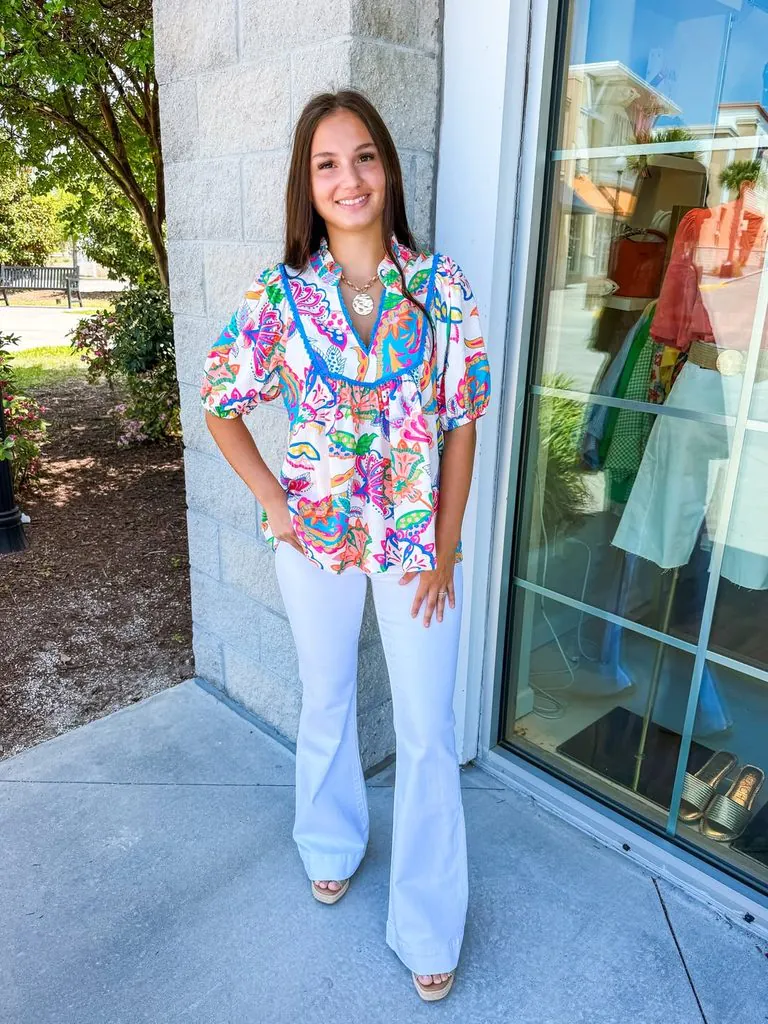
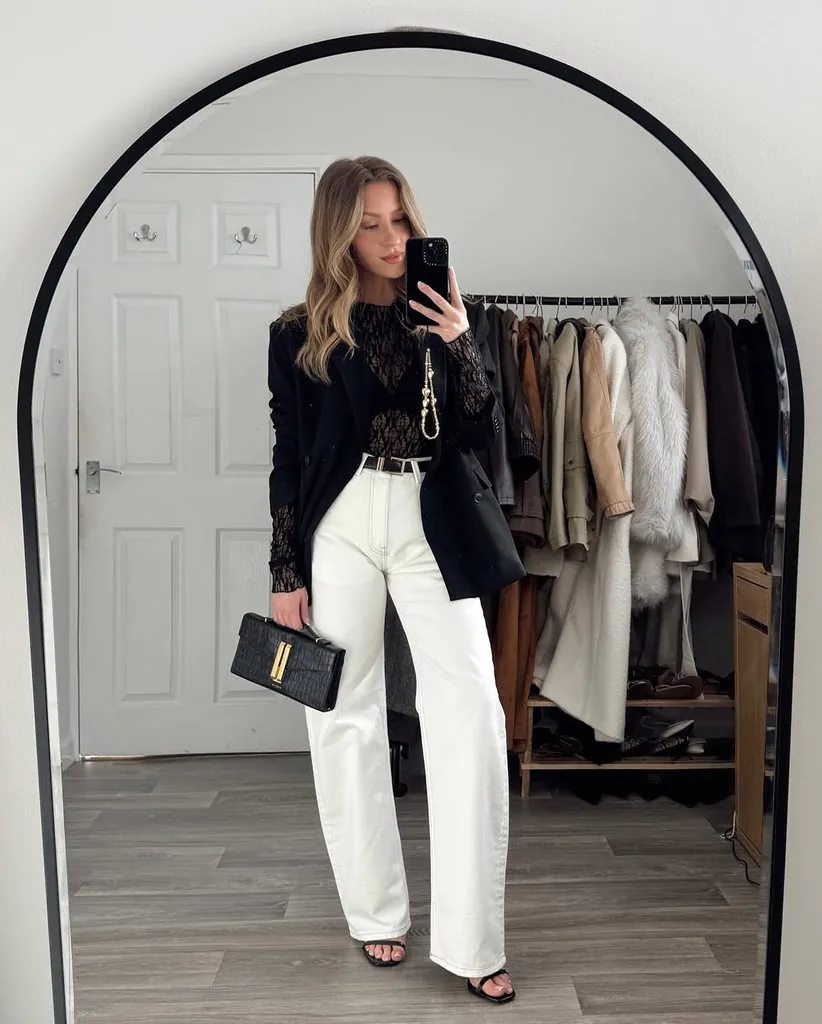
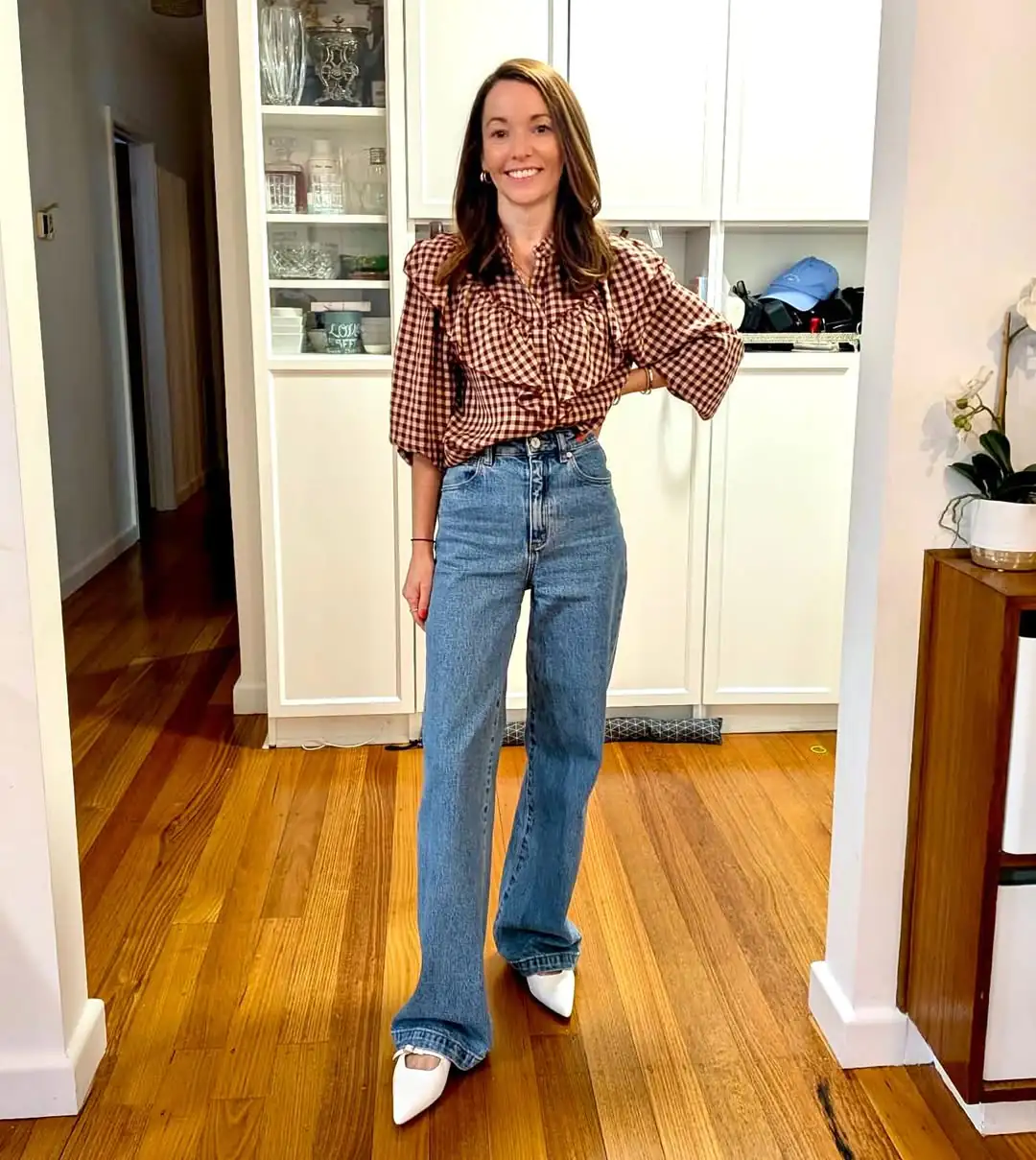
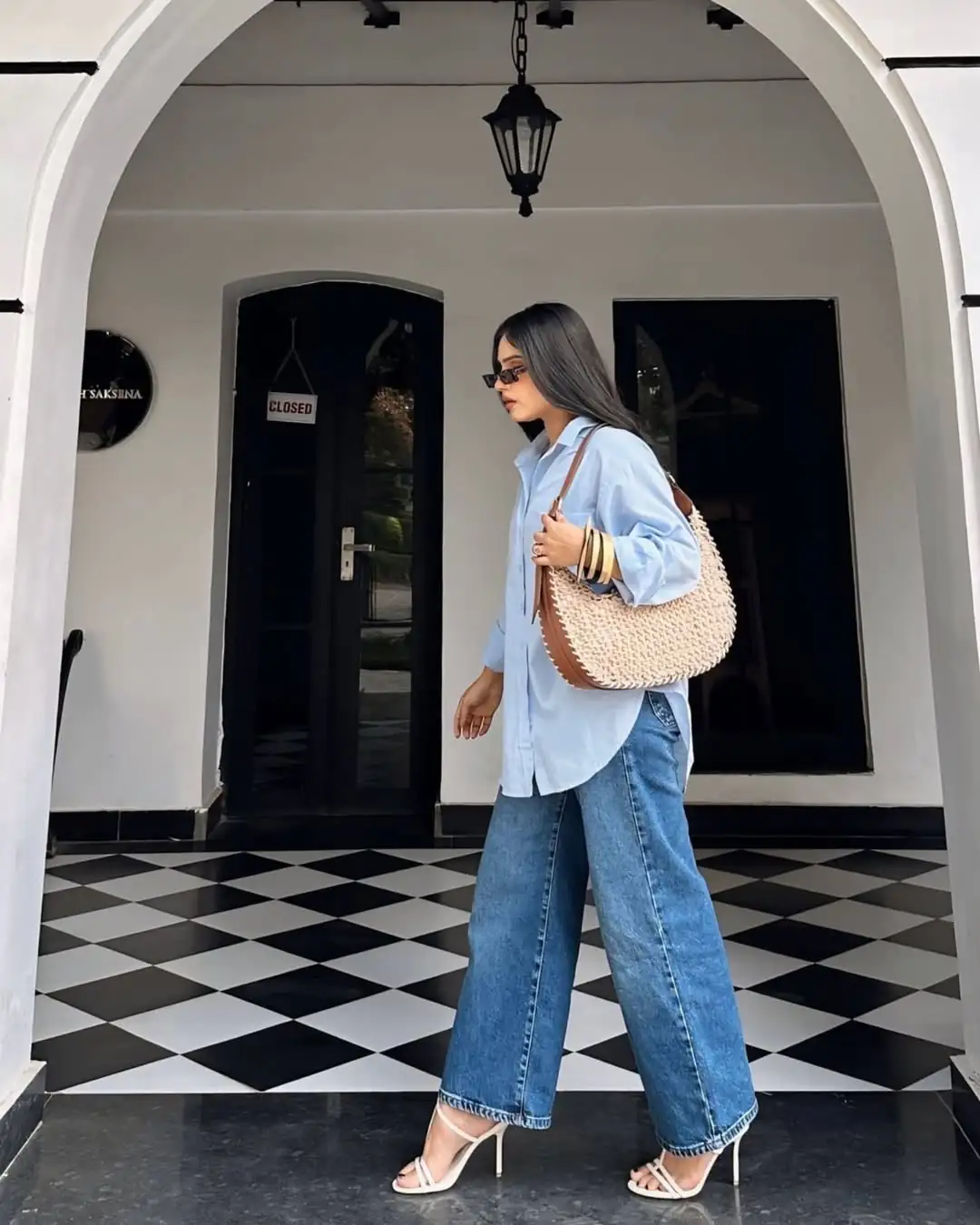
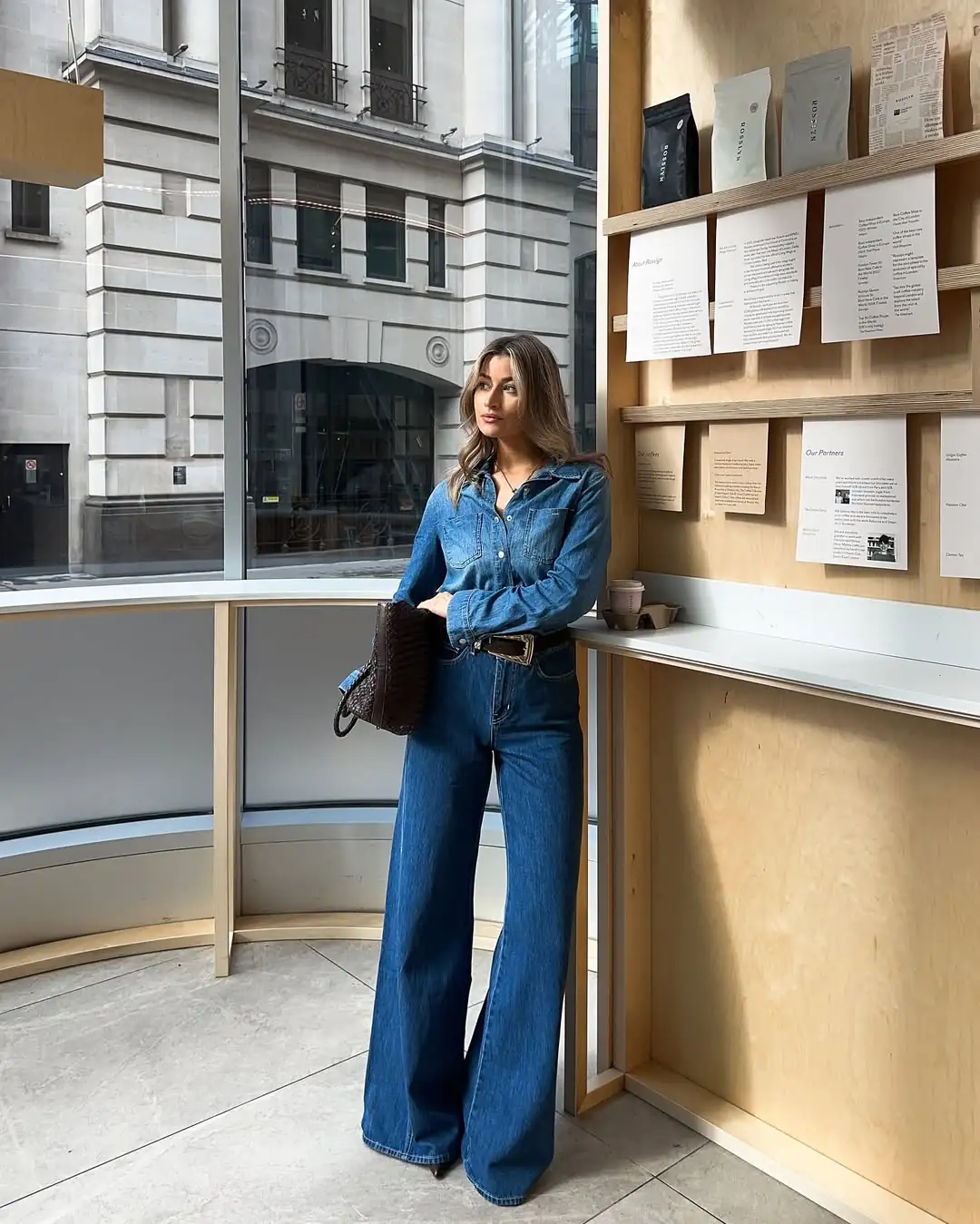
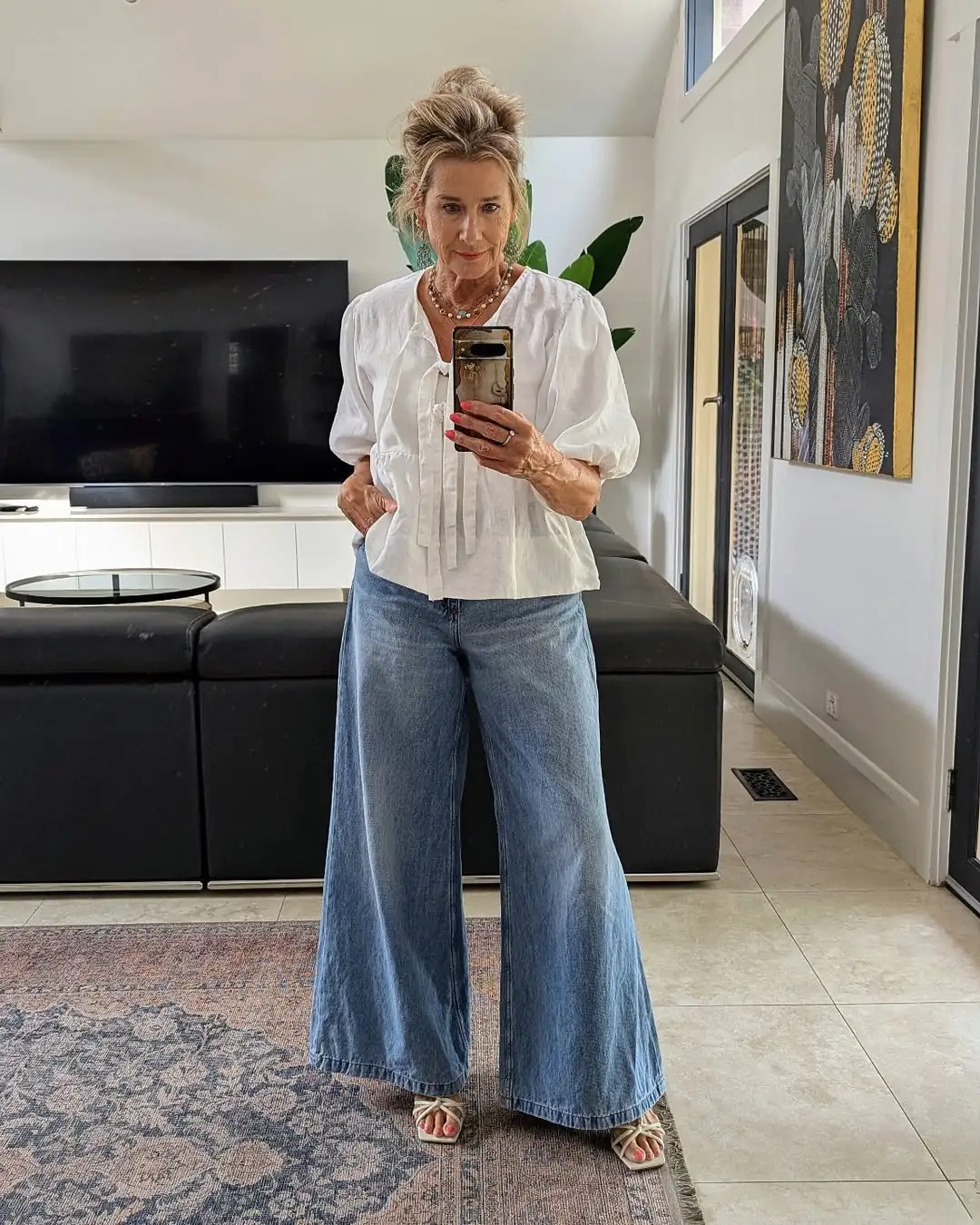
High-rise wide-leg jeans have been popular for a long time, and there’s a solid reason for that. Wear a cropped or tucked-in top with them to keep the proportions balanced and the shape longer. Structured outerwear gives the top more shape. Platform sandals, boots, or pointed flats all look good with the volume below. The rule is easy: keep the bottom full and the top structured.
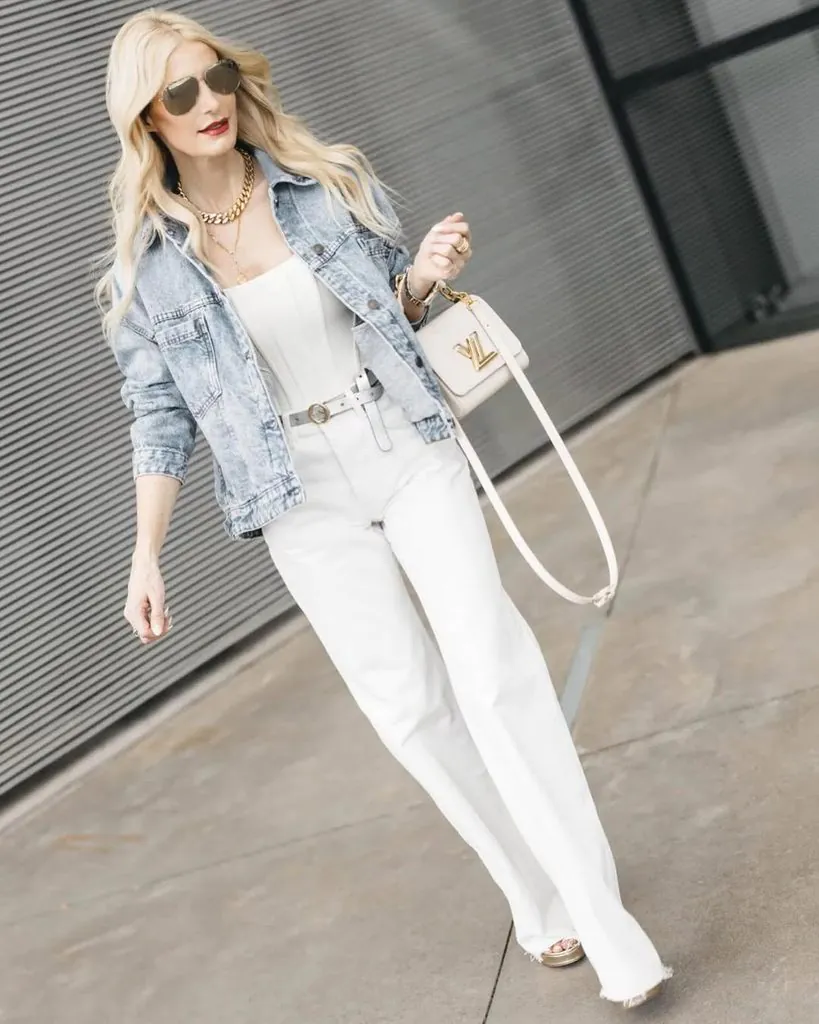
The Canadian tuxedo has made a comeback in fashion. The most important thing is contrast. Put on a denim shirt or jacket with a wash that is very different from your typical straight or relaxed fit jeans. The fabric is where people go wrong. If the denim is thin or elastic, it makes the whole item look cheap right away. Buy good pieces with a clean finish, and you’ll always look good.
Dark wash jeans with clean hems and no distressing. That’s the baseline. You can wear these to most jobs if you wear a tailored blazer or a structured knit with them. Loafers, block heels, or pointed flats are all excellent choices for shoes that go well with the gloss. It’s easy to go from workstation to dinner here. Add some nice jewelry and a classic watch, and the outfit will look great all night with no effort.
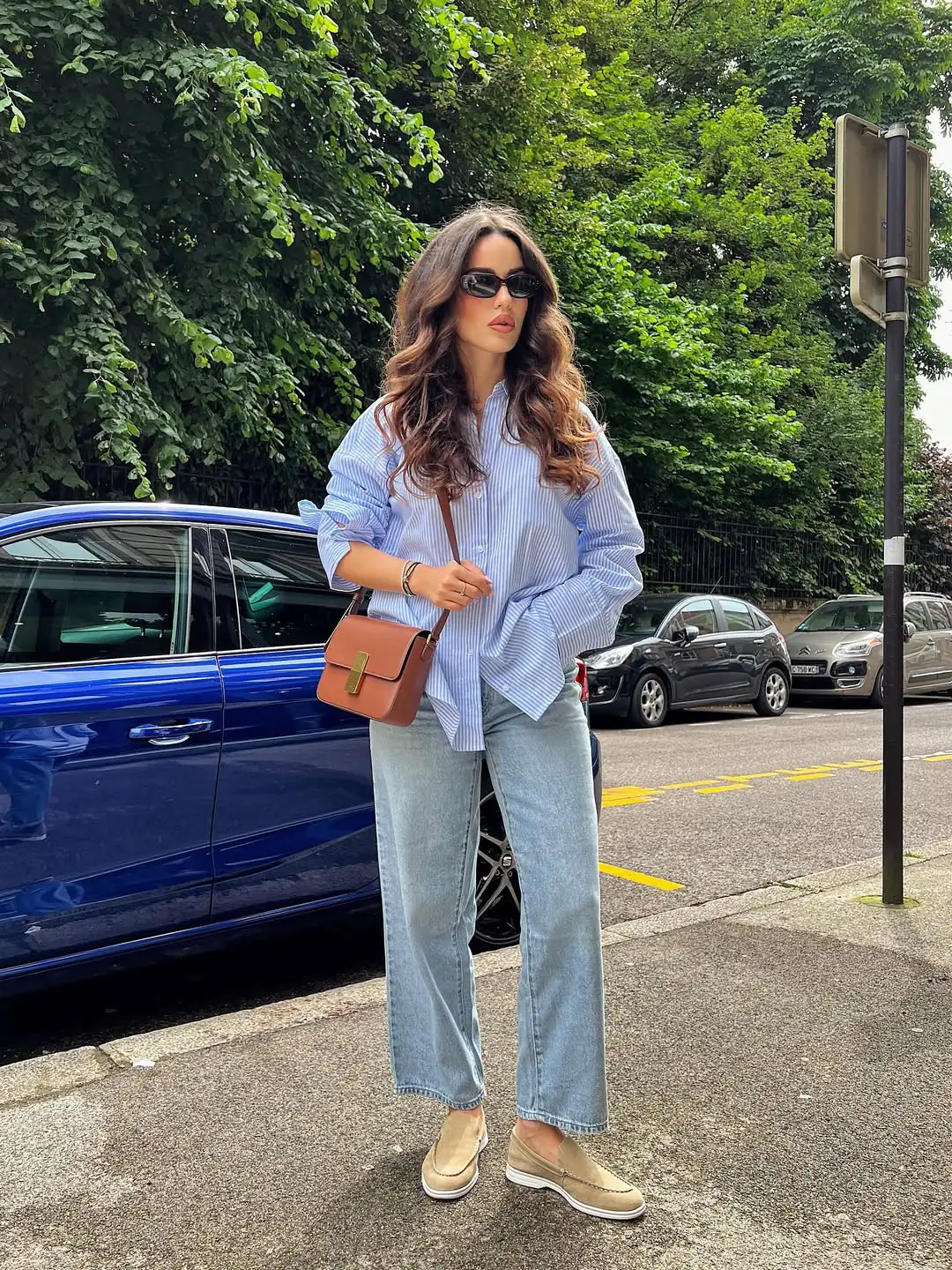
Lightweight jeans with cropped or straight legs are the best choice for summer. Wear them with a loose linen shirt or a simple tank top, and keep your shoes simple with flat sandals or espadrilles. A pair of sunglasses and a casual bag finish the look. The whole objective is to be comfortable and easy and to wear clothes that appear like you put thought into them without feeling like you tried too hard in the heat.
Start with mid- to dark-wash jeans to ground the appearance, then add to it. A fitting turtleneck or a comfortable knit sweater looks good under a wool-mix coat or a tailored trench. Depending on how formal you want to be, you can wear elegant shoes or sleek boots. In the winter, well-fitting denim is essential. It is the part that brings the layers together and makes the whole thing feel like one piece instead of a bunch of separate pieces.
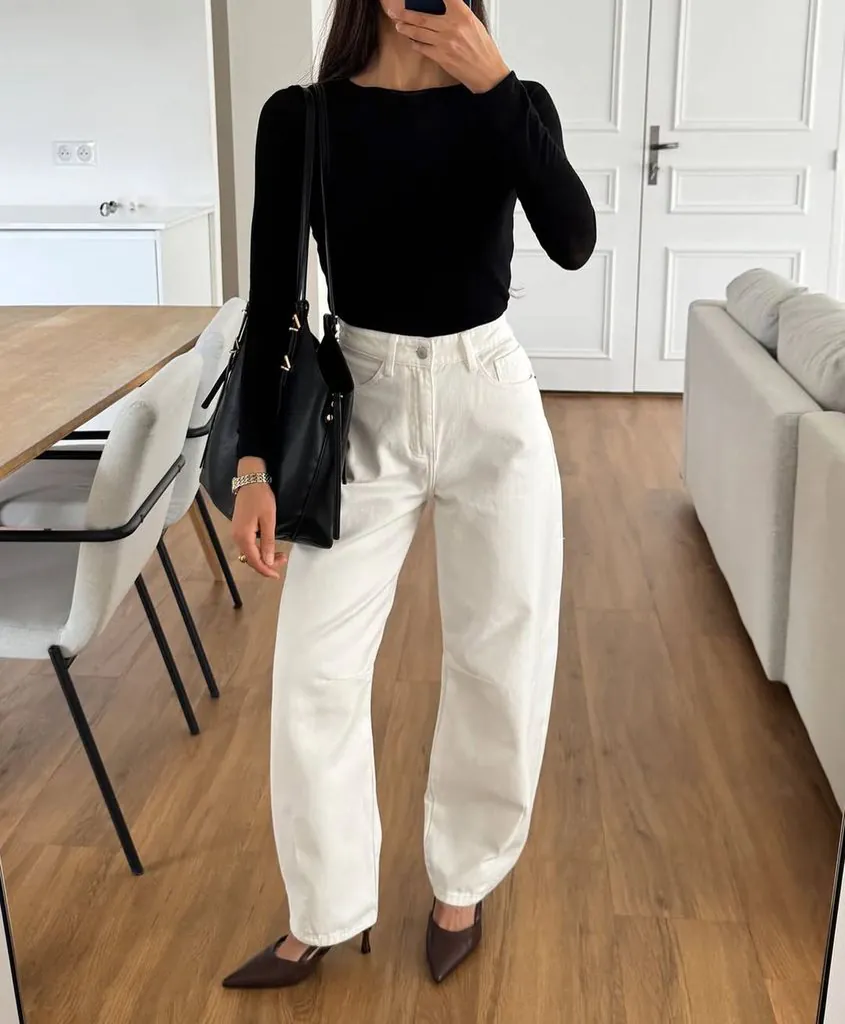
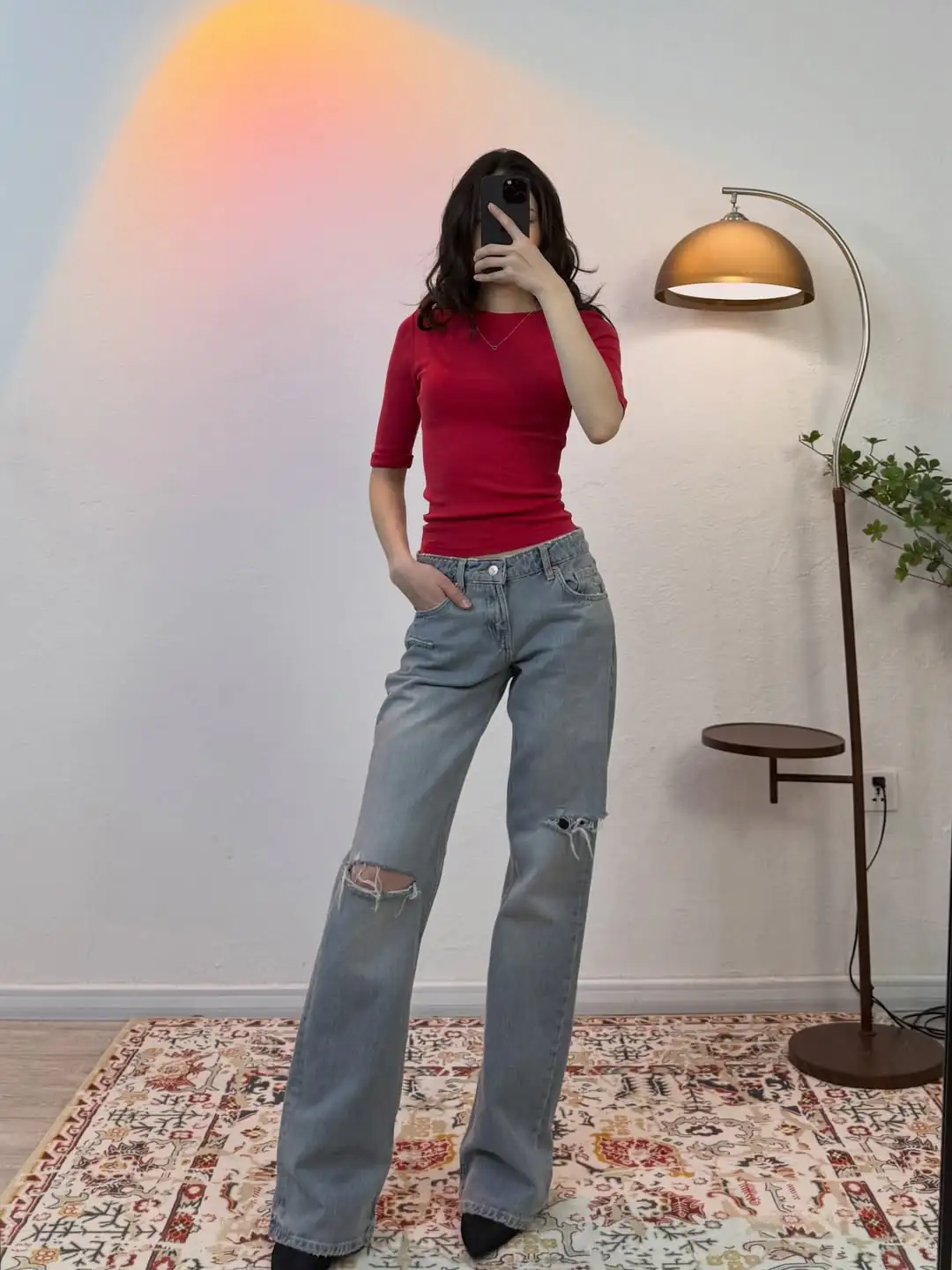
When the remainder of the outfit is simple, statement silhouettes like denim, barrel leg, wide leg, ultra-wide, and low-rise work well. If you pair the jeans with a shirt and stylish shoes, they can stand out. If you want to show off your personality even more, add one unique accessory. These styles feel modern instead of costume-y because they strike a pleasing mix between quiet and bold.
Most people are unaware that accessories have the power to elevate or detract from a denim look. A structured crossbody bag, a pair of nice earrings, or a nice belt can change the whole appearance. Balance is the key to this method. One piece of statement jewelry is enough. Don’t let it compete with anything else.
If the fit is off, no outfit formula will work. Try on a lot of various styles, brands, and shapes until you find the one that looks best on you. People don’t use or value tailoring enough. A modest hem change or a taken-in waist can make a decent pair of jeans into a superb pair of jeans.
Use a moderate detergent and cold water to wash jeans inside out. To keep the shape, texture, and color, don’t use the dryer. Instead, let them air dry. Keep them folded instead of crumpled in the bottom of a pile. These behaviors won’t cost you anything and will keep your jeans looking great for years.
You can use any of the outfits in this guide as a starting point. Understanding the rules and incorporating your own unique style is the key to creating the best denim styles. Give things a shot. Change. Put on what makes you feel wonderful. That last part is the only thing that can’t be changed.
April is a natural reset. The wardrobe lightens, the palette shifts, and nails that still feel rooted in winter start to look out of place. This isn’t about chasing trends for their own sake. It’s about that satisfying alignment between what you’re wearing and how the season actually feels: cleaner, fresher, and more intentional. Here are ten nail directions worth considering this month.
Milky Nude Nails
If there’s one style doing the most right now with the least effort, it’s milky nude. A sheer ivory, soft beige, or pink-toned milk shade works across short and long lengths equally well, and it has a way of making every outfit look slightly more pulled together. Keep the shape short square or soft almond, finish with a high-shine top coat for that glassy effect, and you’re done. The gloss is what keeps it current. A matte finish on milky nude reads as dated.
Pastels in April feel intentional rather than seasonal in a costume way. The key is choosing muted, sophisticated versions: dusty lilac, butter yellow, and sage. If you want to push it further, rotating different pastel shades across each nail creates a cohesive, considered look without committing to a single color. Keep any nail art minimal, or skip it entirely. The softness of the shades is the point.
This shade is the clean, effortless choice for April. A jelly pink or barely-there blush applied in a thin, translucent layer creates an instantly groomed look that works with everything and requires almost no maintenance. Finish with a high-shine top coat to bring it into the current moment. Thick, opaque pinks feel heavy and overdone right now. The sheer, glossy version is where it’s at.
French tips are back, but they’ve been quietly refined. The thick white lines and stark contrasts of the original are gone. Cream, pastel, or soft brown tips, kept thin and placed on short to medium lengths, have taken their place. This version reads as polished and playful rather than retro, and it sits well against structured outfits and neutral wardrobes. It’s a small update that makes a noticeable difference.
Chrome doesn’t disappear when the temperature rises. It just softens. Pearl, rose chrome, and soft champagne finishes give nails a delicate, reflective quality that feels entirely appropriate for spring. Keep the nail shape simple so the finish has room to do its work. Heavy metallics are still winter-coded. The lighter, more understated versions are the right call now.
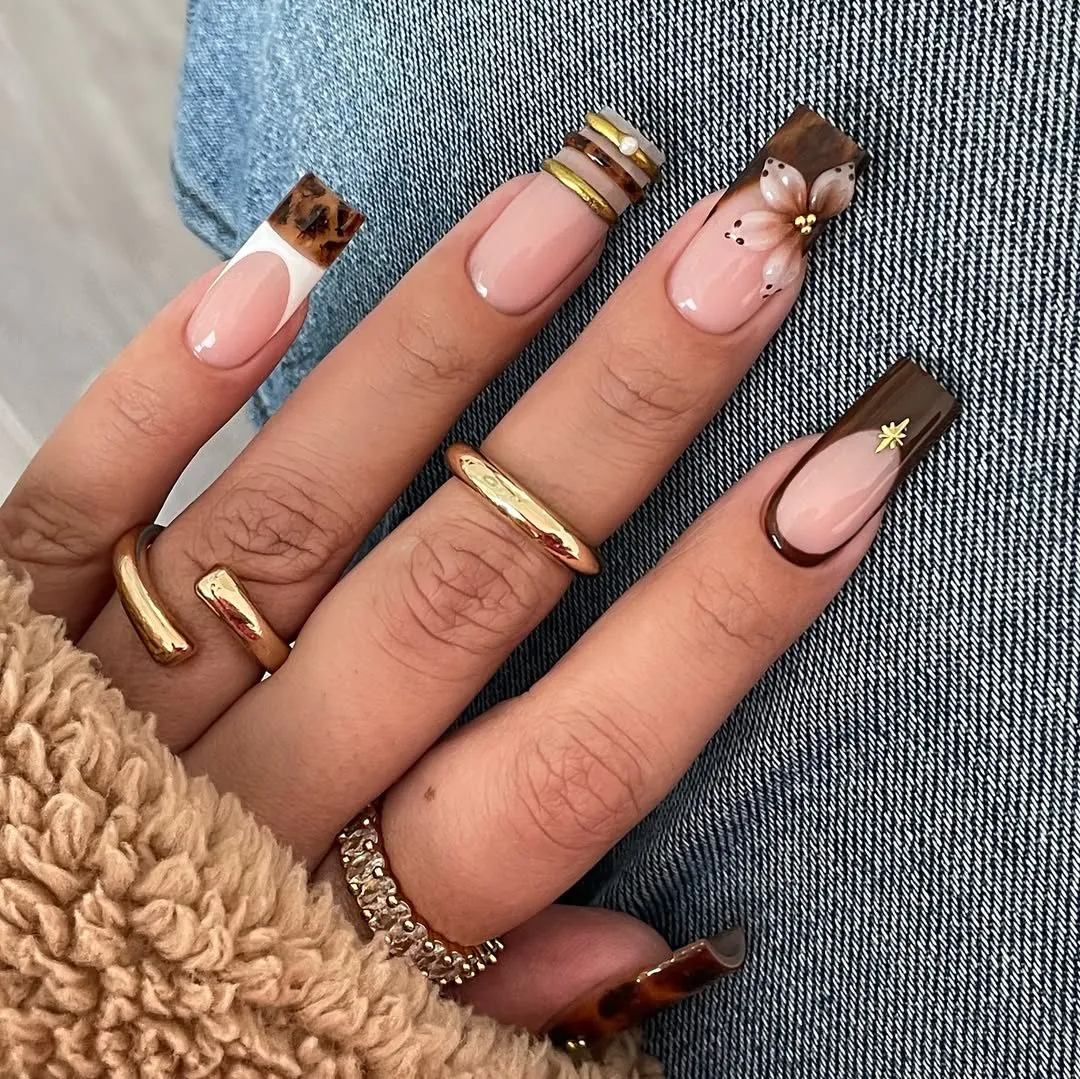
Brown nails are still very much having a moment, but the April version is lighter and softer than what carried us through winter. Latte, light mocha, and taupe tones in a glossy finish look fresh rather than heavy, and they sit beautifully alongside denim, leather, and soft layers. Ultra-dark browns can feel like a missed seasonal transition right now. Reaching for the lighter end of the brown spectrum is the smarter move.
Florals work in April when they’re restrained. A delicate floral detail on one or two nails, against a clean neutral base, adds a quiet nod to the season without tipping into anything costume-y. This approach pairs particularly well with feminine fabrics and light layers. The more minimal the artwork, the more it reads as considered rather than themed.
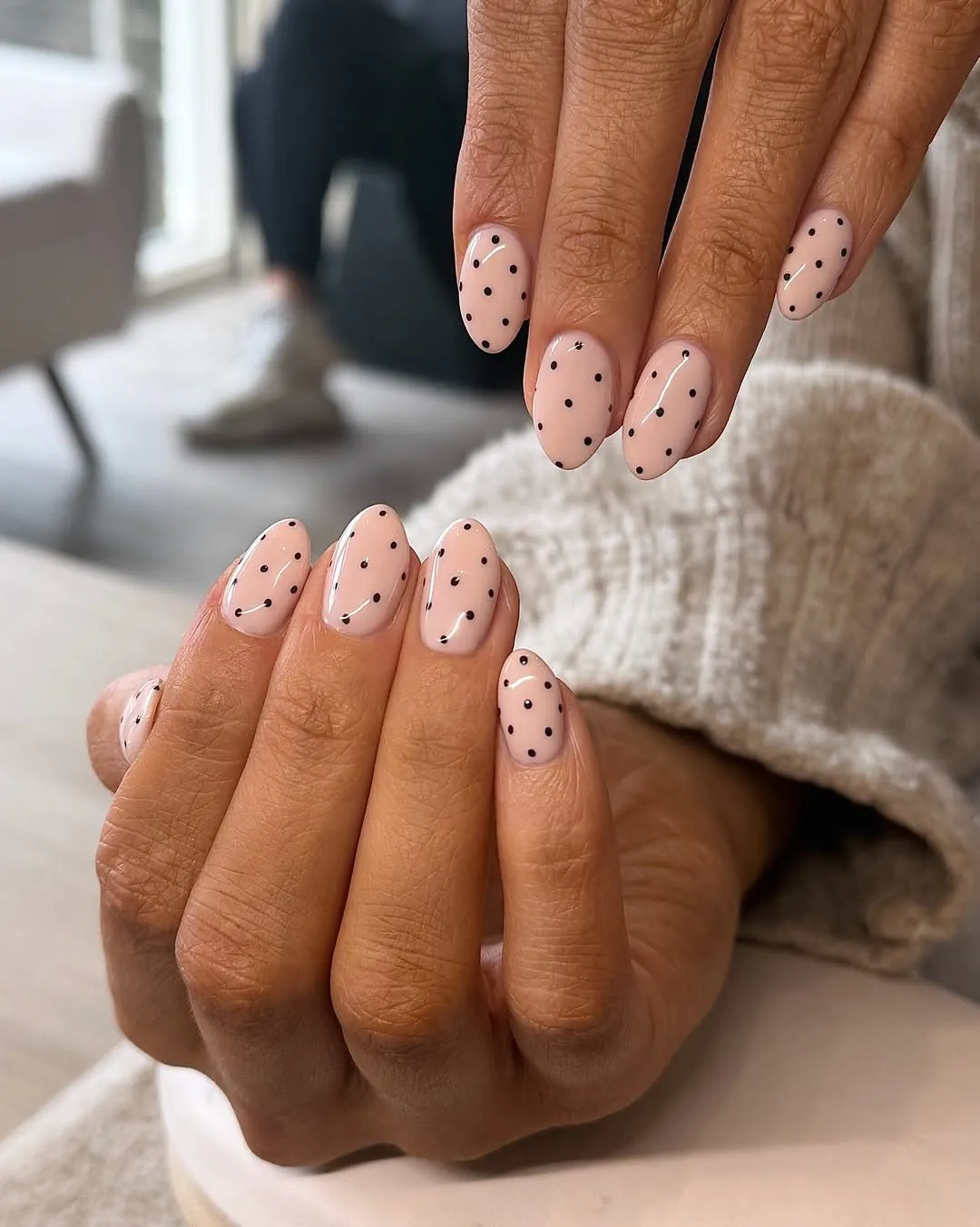
Short nails are making a quiet return, and they look better than they have in years. A neat shape with a single fine line, small dot, or micro accent is all that’s needed to make them feel intentional rather than just practical. It’s a low-maintenance approach that still has personality, and it suits busy schedules without looking like an afterthought.
Sage green is one of the most wearable spring colors going right now. The muted, gray-toned version of the shade adds freshness to a look without being loud or overly seasonal. A glossy or satin finish keeps it sophisticated. It sits particularly well alongside the neutral, textured wardrobes that are defining this spring, and it photographs exceptionally well in natural light.
April’s ideal aesthetic is characterized by a soft nude or milky base, complemented by minimal added detail such as fine lines, abstract shapes, or negative space. It adds personality without demanding attention, and it adapts to both casual and dressed-up outfits with no effort. The limited color palette keeps it cohesive, and the subtle detailing ensures it never looks bare. It’s the kind of manicure that quietly elevates everything you wear without becoming the focal point itself.
April’s shifting weather is harder on nails than most people realize. Keep cuticles moisturized with a nourishing oil or cream to prevent dryness and brittleness, and consider wearing gloves during any activity that exposes your hands to harsh chemicals or prolonged moisture. A well-maintained nail underneath a wonderful color will always look better than a beautiful polish on a neglected base.
The through line across all of these styles is the same: lighter, cleaner, and more considered. April nails are not about doing more than necessary. They’re about doing the right things with intention and letting the season speak for itself.
This post is for you if your saved folder is full yet your outfits still feel stuck. Outfits from 2016 are all over Pinterest, TikTok, and street-style feeds again, and they feel different this time. They are basic, easy to wear, and don’t take much work, which is nice after years of overstyling. This guide tells you exactly which 2016 outfit formulas still work, which ones to forgo, and how to wear them today without seeming out of style.
The Appeal of Casual Outfits from 2016
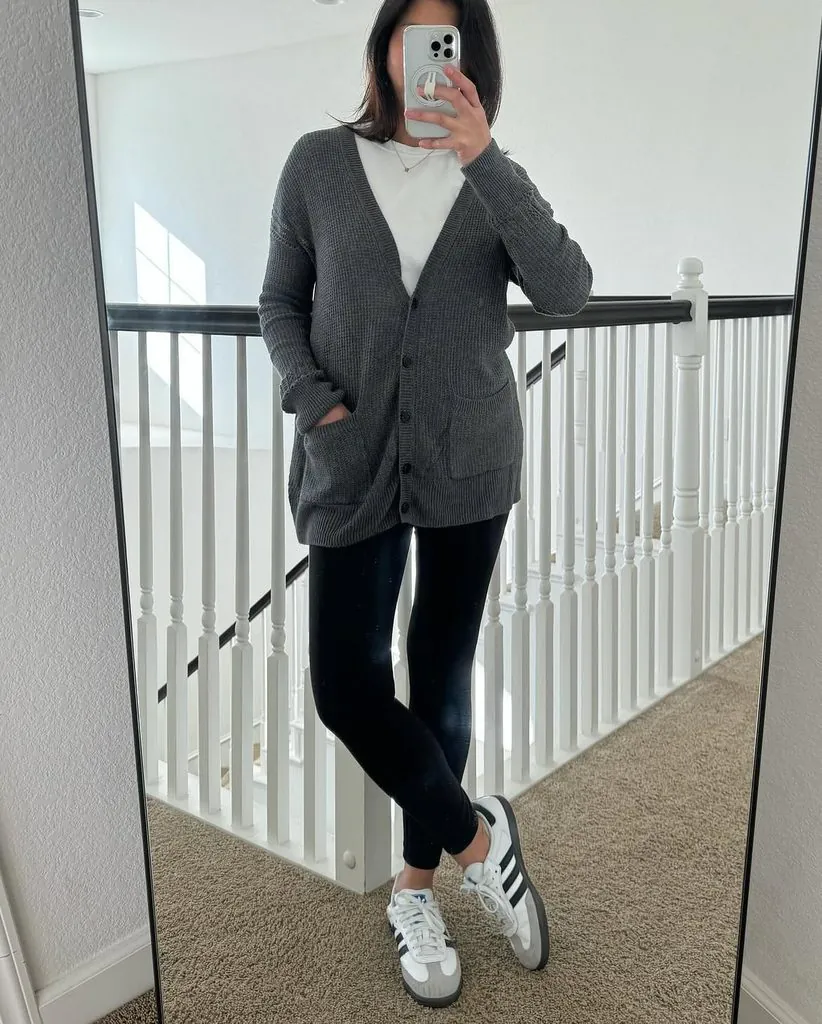
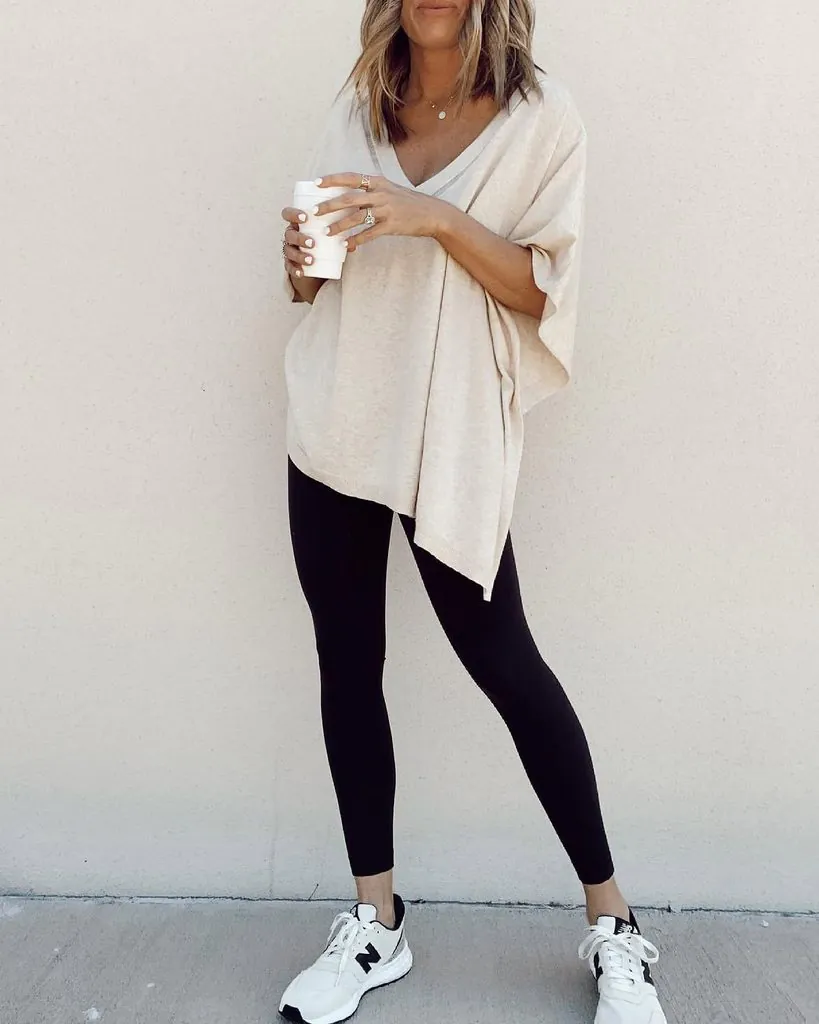
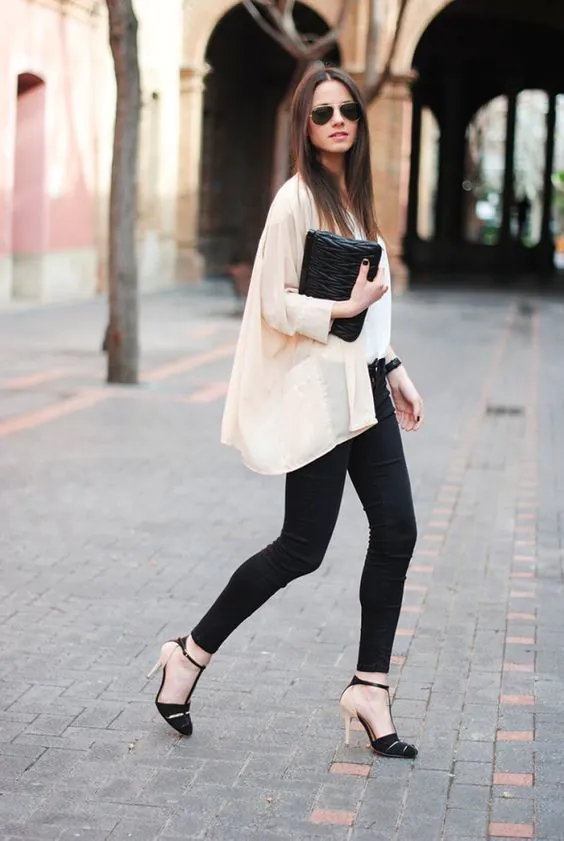
Casual clothing in 2016 was all about simple shapes and clean lines, with well-fitting basics serving as the foundation. Back then, the pairing of a fitted white shirt with straight-leg jeans and polished sneakers was a popular look, and it continues to be highly effective today. These classic items are the right mix of casual and put-together, so you can wear them every day, to informal meetings, or while running errands. The simple style of wearing soft knit sweaters half-tucked into mid-rise jeans is both stylish and comfortable, and it has easily made its way into the current fashion trends.
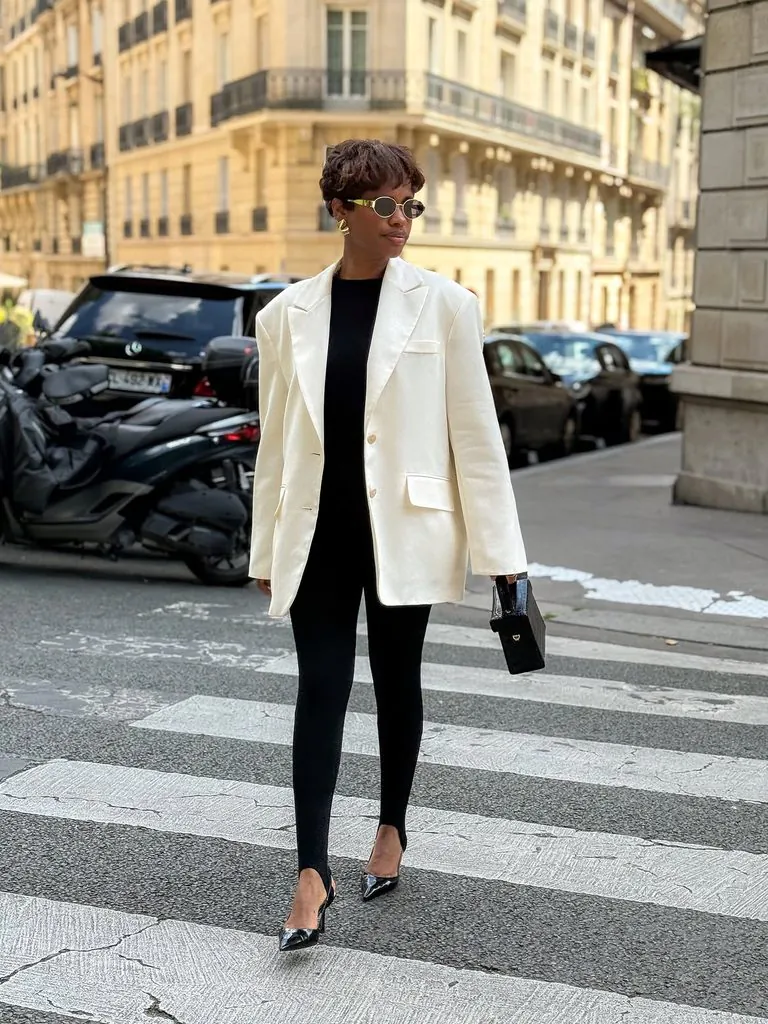
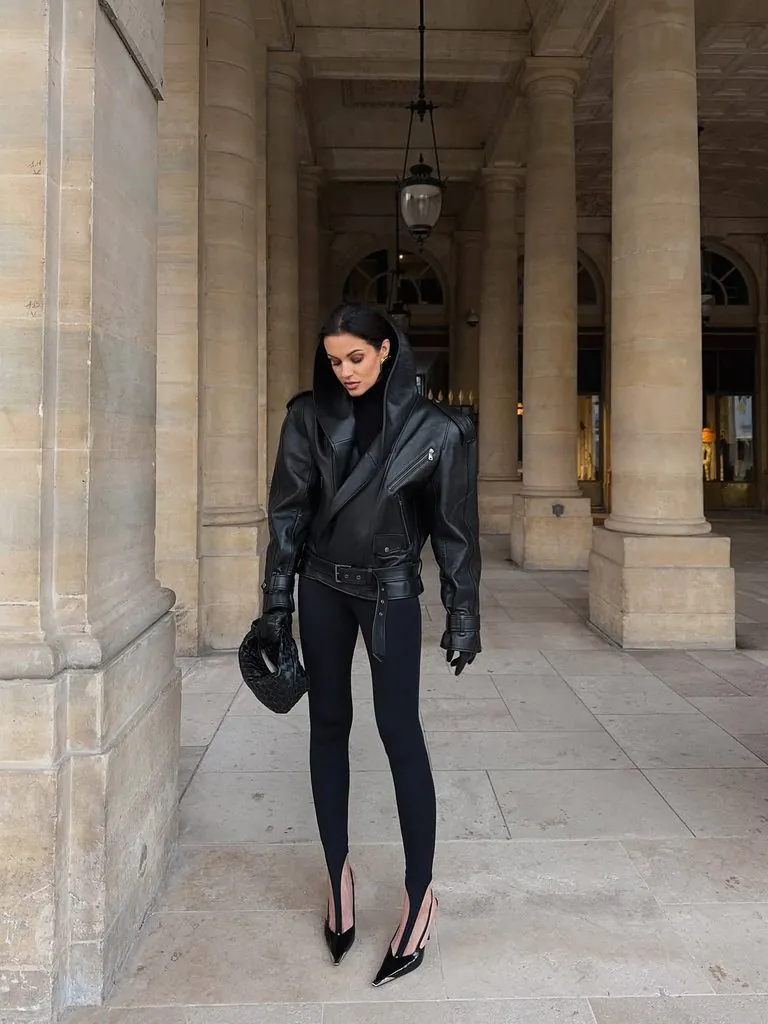
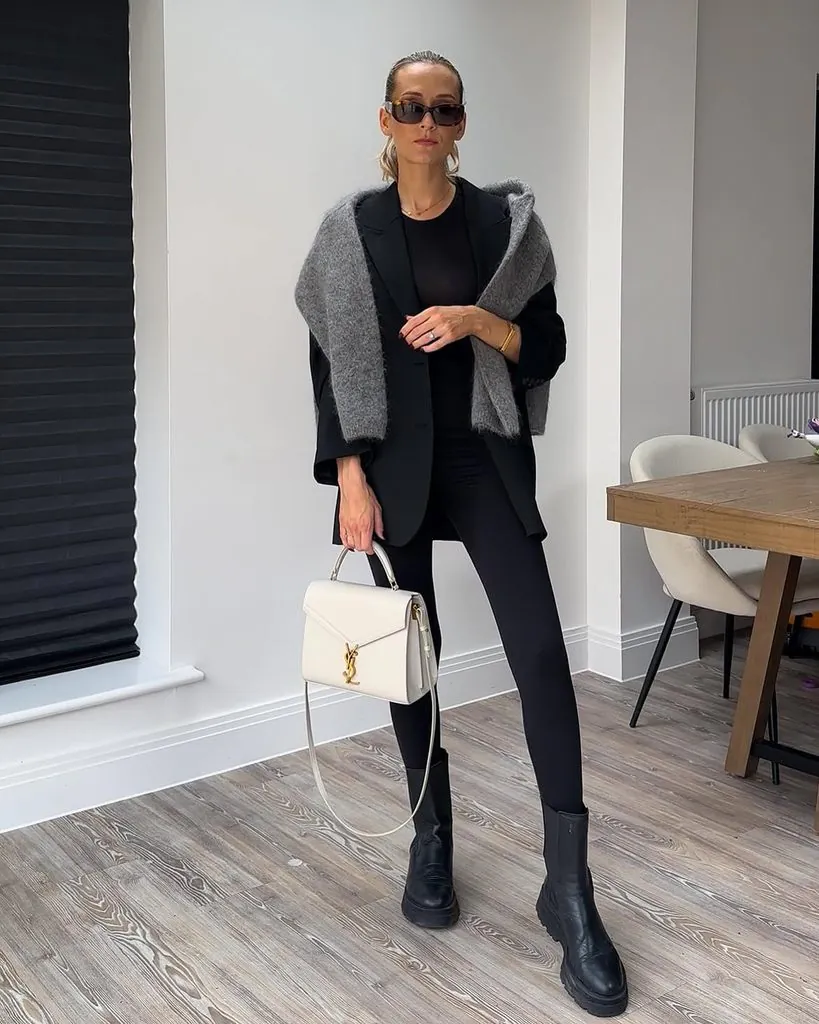
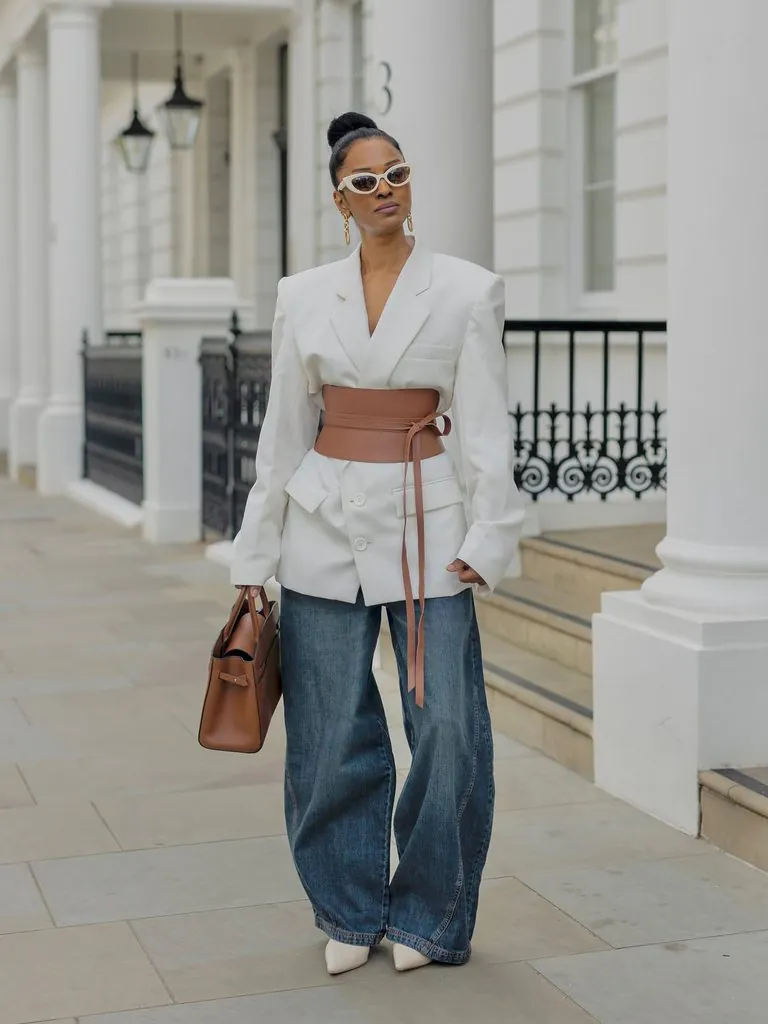
In 2016, the style on the street was confident but not crazy. These styles are great for people who know what’s in style and prefer sharp edges without seeming like they’re in a costume. Some great street style ideas to copy are an oversized jacket over a modest outfit, striking sunglasses with little apparel, and a neutral foundation look with one bold accent. Restraint is the powerful move. One piece that stands out is enough. Think of structured coats, crisp blazers, or leather jackets. Shoes like boots or elegant sneakers ground the appearance. Don’t go overboard with your style. The outfits from 2016 work because they are simple, look good, and are easy to wear. Instead of following every fad, they focus on fit, balance, and how to style things in real life.
The focus was (and still is) on neutral colors, muted tones, and classic shapes that flow well over the body and give off an unobtrusive sense of style. Today, to have the minimalist look, you need to wear outfits that are all one color, play with different textures, and stress how important fit is over trends. Wool blends, cotton poplin, and soft knits are some of the fabrics that keep the clean, sophisticated look going. Avoiding too-trendy accents also helps keep the design fresh.
Minimalist outfits are always in style because neutrals are always in style. People may easily embody the timeless charm of minimalist fashion from 2016 by keeping to a small number of colors and focusing on high-quality textiles that keep their shape. These changes will keep their everyday style looking modern and elegant.
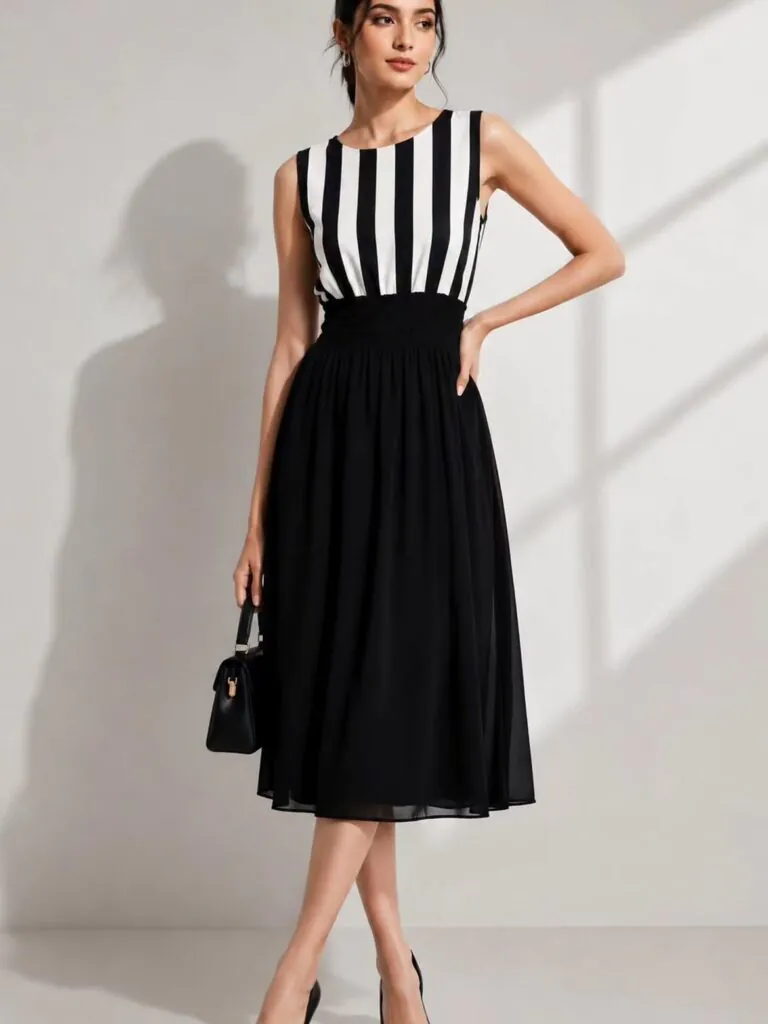
A flowy dress and flat shoes gave off the effortless elegance of the season, while denim shorts and a loose shirt gave off a casual appeal. These outfits were perfect for summer because they were made of light, breathable fabrics that were both comfortable and stylish. The most important thing was to allow the clothing to breathe. Choose basic shoes like slides, sandals, or clean sneakers, and stay away from heavy jewelry. These summer styles from 2016 are still in style today because they emphasize comfort and minimalism. They are a classic way to dress for warm weather.
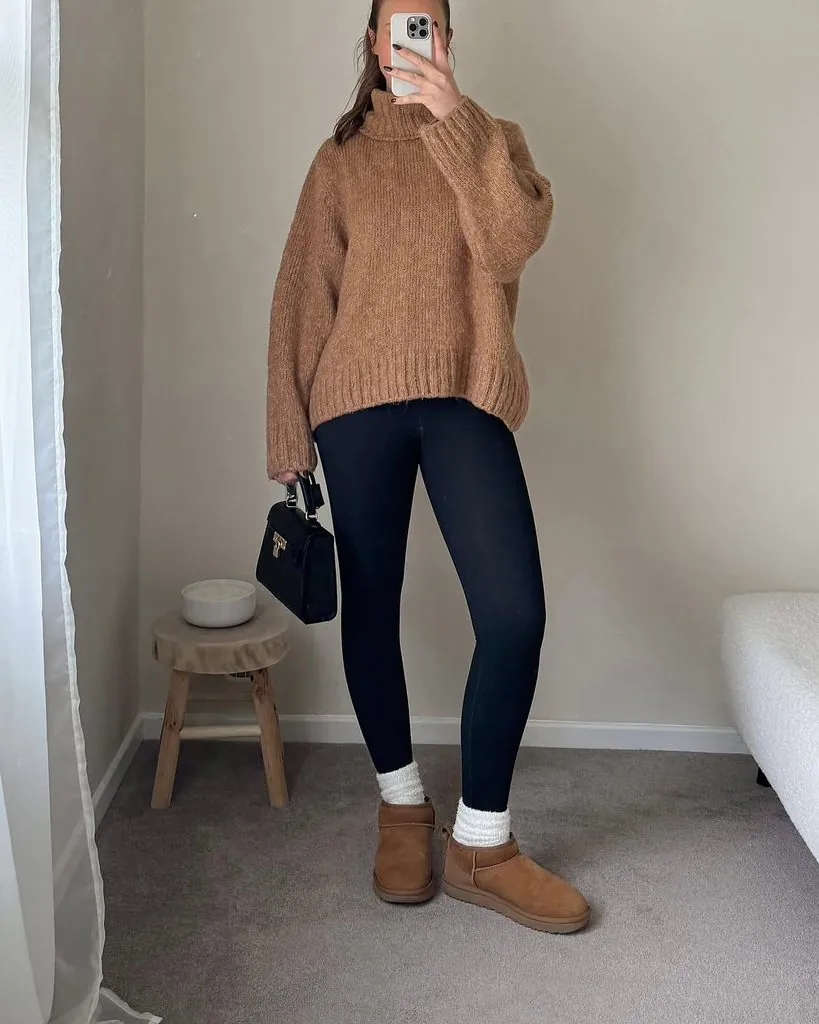
Layering was a big part of fall clothes in 2016 outfits, and it helped people look put-together and useful. One good way to dress was to wear a tee with a sweater that matched it and then a structured coat on top of that. This kept you feeling warm and looked good. Another way to look smart and put together was to wear a button-down shirt under a sweater. People got a classic and classy fall style by layering thin to thick and keeping to neutral colors with one rich seasonal color. This method made the clothing more intriguing and useful so people could adjust to the changing temperatures during the day.
The focus on balanced layering gave the outfit a sense of elegance and made sure it didn’t look like a mess. To do this style today, try wearing a basic tee with a light knit and a fitted coat or structured jacket on top. This will give you a look that is both modern and classy.
To get this style today, you need to get a robust, fitted coat that keeps you warm and gives your outfit a finished shape. Structured knits also helped make the look sleek and comfy, and they still do. The winter outfits of 2016 were elegantly crafted because they combined comfort with fitted shapes. To embrace this idea today, you need to wear outerwear that looks high-quality and well-made, has a sleek and structured look, yet is nonetheless comfortable.
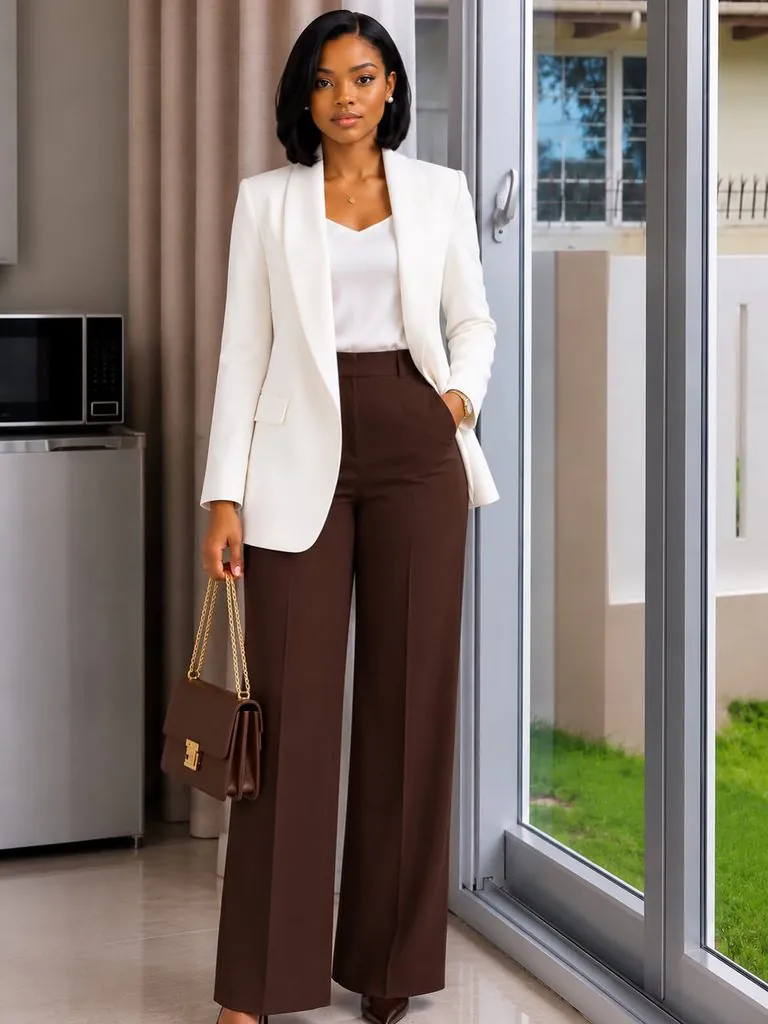
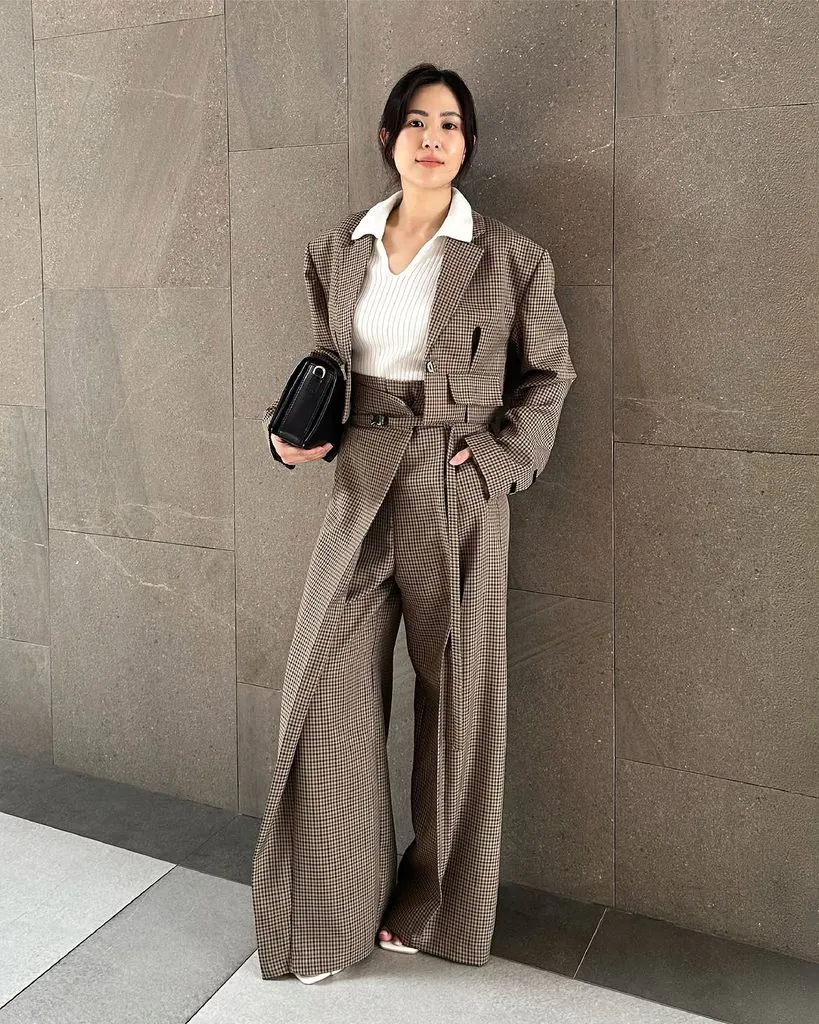
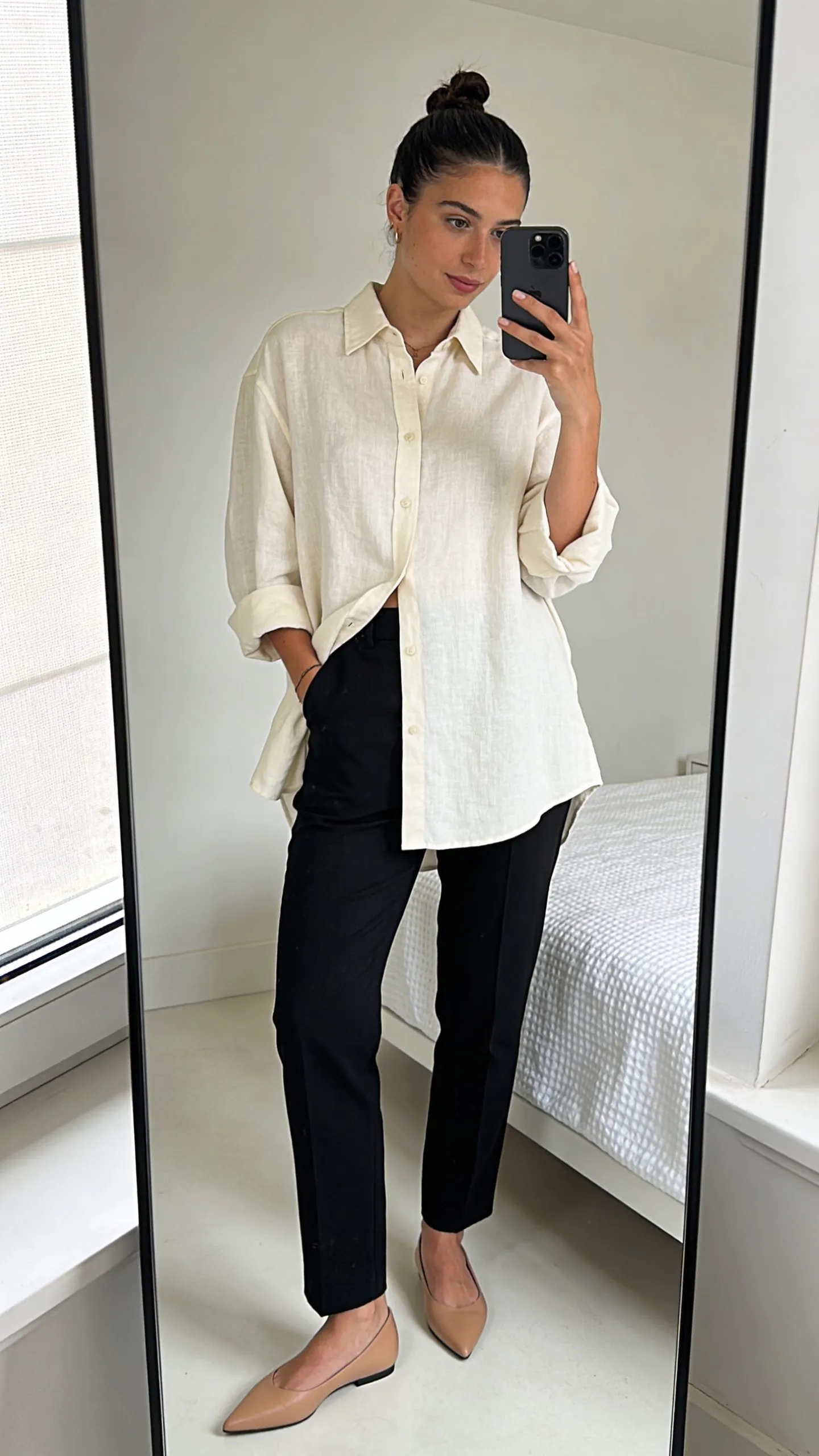
Knowing how to modify clothes is the key to looking sharp at work. A simple, well-fitted blouse with tailored slacks gives off an image of polished professionalism. A structured blazer gives the outfit a modern touch. To create a look that is both current and classic, you need to stick to a neutral color scheme with some texture. Selecting tailored pieces in beige, gray, or muted colors can create a wardrobe that is consistently elegant and versatile.
For more depth without taking away from the overall look, think about using subtle patterns or textures like herringbone or pinstripes. The 2016 workwear style is still a big influence on professional clothing today. It focuses on fitted shapes and neutral colors, giving a modern and polished look to office wear.
The stylish and classy night-out clothes from 2016 give off a quiet confidence that still impresses today. It’s important to find a balance between sleekness and subtlety so that one prominent piece can shine without taking over the whole outfit. The most important thing is to keep your style clean and put together, whether you’re wearing a simple dress with striking heels, dark jeans with a formal top, or a structured top with minimal bottoms.
These clothes are always in style because they use high-quality fabrics like satin, silk, or soft leather, which add refinement to the whole outfit. When you go out for a night on the town, the 2016 clothing credo still holds true: less is more, and simple is the most sophisticated. By wearing the sleek and stylish night-out clothes from 2016, you can easily show off your confidence and style that goes beyond short-lived trends and lasts for years to come.
Denim works best when it’s timeless. If you avoid excessive distressing, the result is an elegant, classic, and truly wearable piece that transcends any particular trend.
By paying less attention to details and choosing high-quality fabrics, you may make a lasting impression and take your everyday style to a new level of elegance. Chic 2016 outfits have clean lines and refined shapes that make it easy to go from casual to more formal events. You may create a style that is both current and classic by using high-quality materials that keep their shape and sticking to a small color palette. Chic 2016 clothing can easily fit in with current trends while yet looking classy and understatedly glamorous. Chic 2016 fashion has a sophisticated yet approachable look that appeals to today’s style seekers. You can wear a structured blazer with simple basics or a neutral outfit with sharp, clean-lined shoes.
Mixing and Matching: Building Your 2016-Inspired Wardrobe
Wear a fitted white tee with straight-leg jeans for a classic, casual outfit that you can wear every day.
Put together a structured blazer and tailored pants for a stylish and businesslike look.
For a fashionable but easy look, try layering a light jacket over a simple blouse and pants.
If you want a clean look, go for monotone neutral clothing with texture contrast. This is a wonderful way to embrace the minimalist style.
Wear a flowing dress with flat shoes for summer activities. This look is effortless and breezy, perfectly aligning with the simple and wearable style of 2016.
Wear a structured coat over a tee and a sweater to be ready for fall. This will give you a polished look. Also, for winter, buy a fitted coat to wear over a plain knit top and pants. As it was in 2016, fit is still significant, and the perfect proportions can make any outfit seem better. Add your own style to these classic wardrobe ideas.
Accessories can make your outfits stand out and give them a personal touch while still maintaining the easygoing style of 2016 fashion. The key to 2016 fashion is finding the right balance between style, simplicity, and usefulness. Remember these concepts when assembling your outfits for any occasion, and allow your personal flair to shine.
Bringing back the beauty of 2016 fashion is a tribute to style that never goes out of vogue. It’s about mixing the timeless appeal of well-fitting white tees, straight-leg jeans, big coats, and striking sunglasses with high-quality fabrics in casual, street, and professional clothes. When we think back on the simple and balanced outfits of 2016, we feel more real in our style. Today’s fashion is characterized by its love for simple, elegant styles and timeless designs. It’s a new commitment to simple elegance and a break from the never-ending search for trendy clothes. The return of 2016 fashion is basically a call to reclaim the joy of natural style and to fill our closets with clothes that reflect who we really are. It’s a slow move away from the fast-paced fads toward a more thoughtful, real manner of wearing that combines confidence and comfort with compelling composure.